
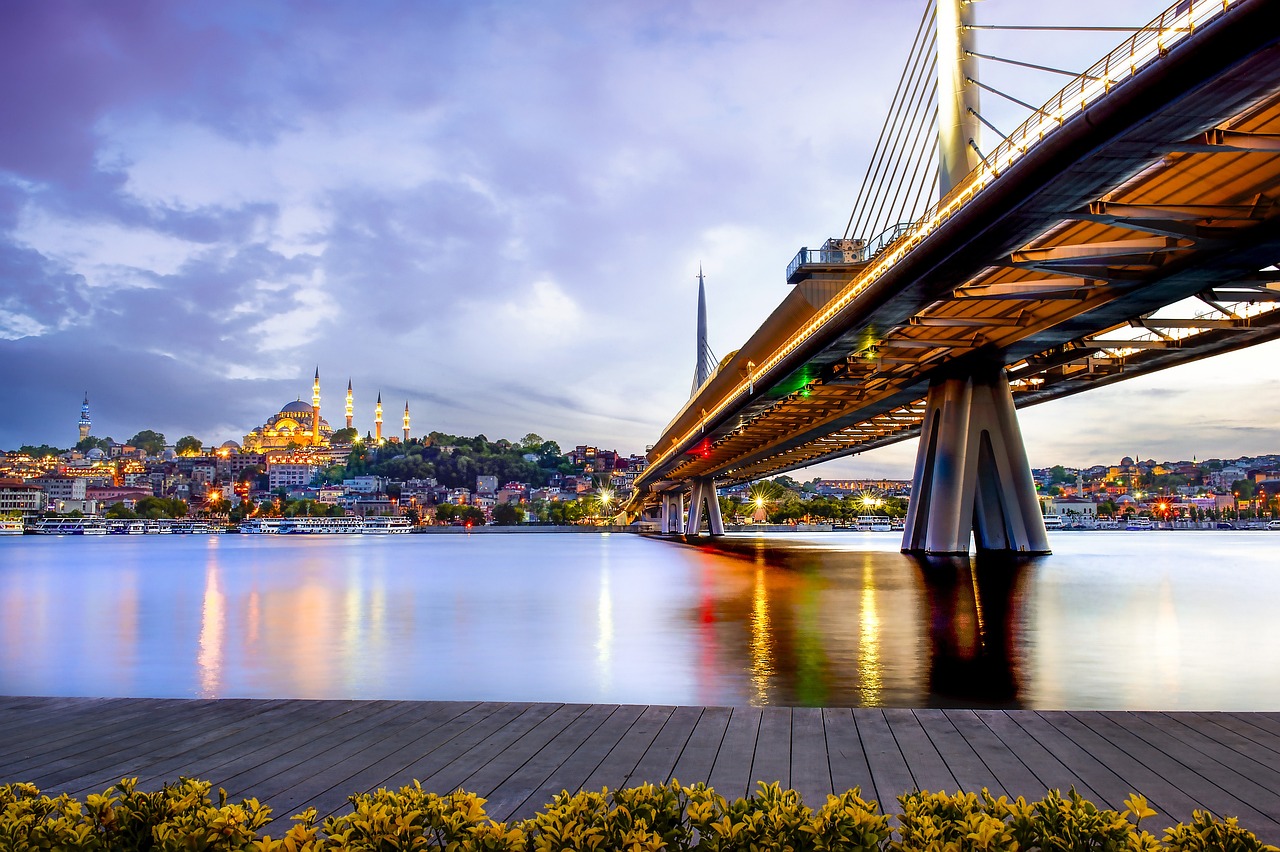
Discover Istanbul: Where Cultures, Colors & Centuries Meet
Istanbul is an eternal city that connects Europe and Asia, full of culture, history, and vibrant life.Istanbul is an eternal city that connects Europe and Asia, full of culture, history, and vibrant life.
Fast Facts: Istanbul
Location & Geography
Istanbul is uniquely positioned across two continents—Europe and Asia—divided by the Bosphorus Strait. This rare geographic feature makes it the only city in the world that sits on two continents simultaneously. While most tourist attractions are located on the European side, the Asian side offers a more local and residential feel.
The city’s location at the crossroads of Europe and the Middle East has historically made it a critical center of commerce and culture. Expect a blend of old and new, East and West, all within a dynamic urban setting.
Population & Size
With over 15 million residents, Istanbul is the largest city in Turkey and one of the most populous cities in the world. It spreads across more than 5,000 square kilometers, encompassing a wide range of neighborhoods, landscapes, and lifestyles.
Despite its size, many of Istanbul’s key attractions are concentrated in a relatively compact area, especially in districts like Fatih, Beyoglu, and Kadikoy, which makes exploring them quite manageable even for first-time visitors.
Languages Spoken
The official language of Turkey is Turkish. However, in Istanbul, you will often hear English in tourist areas, especially among younger people and those working in hospitality and retail sectors.
That said, learning a few basic Turkish phrases can greatly enhance your experience and help you connect with locals more meaningfully. Words like “Merhaba” (Hello) and “Teşekkürler” (Thank you) go a long way, and locals always appreciate the effort.
Currency & Payments
The local currency is the Turkish Lira (TRY). While many shops, restaurants, and hotels in Istanbul accept credit cards, it’s advisable to carry some cash—especially when visiting local markets, street food vendors, or using public transport.
ATMs are widely available throughout the city, and currency exchange offices are commonly found in tourist districts. Avoid exchanging money at airports for better rates, and always check for hidden commission fees.
Time Zone
Istanbul operates on Turkey Time (TRT), which is UTC +3 year-round. Turkey does not observe daylight saving time, so there are no seasonal changes to the clock.
This time zone is especially convenient for travelers coming from Europe or the Middle East, as the difference is usually minimal, reducing the impact of jet lag.
Best Time to Visit
The ideal time to visit Istanbul is during the spring (April to June) and autumn (September to November). During these months, the weather is pleasant, the crowds are manageable, and prices tend to be lower compared to peak summer.
Summer months, especially July and August, can be extremely hot and humid, while winter brings a colder, rainier atmosphere. However, off-season travel can offer unique perspectives, fewer tourists, and discounted rates.
Safety Overview
Istanbul is generally safe for tourists, with petty theft like pickpocketing being the most common concern—especially in crowded areas like Taksim Square or the Grand Bazaar. Police presence is visible in tourist areas, and locals are often helpful if you need directions or assistance.
As with any large city, staying alert, avoiding poorly lit streets at night, and using common sense will go a long way in ensuring a smooth trip.
Electricity & Plugs
Turkey uses Type F plugs (the same as most of Europe) with a standard voltage of 220V and a frequency of 50Hz. If you’re coming from the UK, North America, or parts of Asia, you may need a plug adapter and possibly a voltage converter for your electronics.
Adapters are easy to find in electronics shops or even in some hotel lobbies, but it’s always smart to bring your own to stay connected without hassle.
Tap Water & Hygiene
While tap water in Istanbul is technically safe to drink, most locals and visitors prefer bottled water due to taste and occasional concerns with local plumbing. Bottled water is cheap and widely available.
Restaurants, hotels, and cafés maintain generally high standards of cleanliness, especially in tourist areas. Hand sanitizers are also commonly found at the entrance of many establishments.
Mobile & Internet Access
Istanbul has excellent mobile coverage and fast internet access in most areas. Free Wi-Fi is available in many cafés, shopping centers, hotels, and even on public transportation like ferries and metro stations.
If you’re staying for more than a few days, consider getting a local SIM card from providers like Turkcell, Vodafone, or Türk Telekom. It will save you money on data and keep you connected without relying solely on Wi-Fi.
Why Visit Istanbul?
When travelers envision their dream destinations, Istanbul often ranks high—and for good reason. This city is not only rich in history and culture but also vibrant with modern energy, warm hospitality, and countless unique experiences. But what exactly makes Istanbul so special? Let’s explore.

A Living Museum of Civilizations
Istanbul has been the capital of three great empires: Roman, Byzantine, and Ottoman. As a result, the city is a treasure trove of architectural wonders and historical sites. The Hagia Sophia, Blue Mosque, Topkapi Palace, and the Basilica Cistern are just the beginning. Each of these landmarks tells a story—of power, faith, art, and transformation over the centuries.
Beyond the famous landmarks, the city is dotted with lesser-known yet equally captivating historical gems, from ancient cisterns and Roman columns to Ottoman mansions and medieval city walls.
Where East Meets West
Geographically and culturally, Istanbul sits at the crossroads of continents and civilizations. This unique position means you’ll encounter a fascinating blend of traditions—where a centuries-old mosque might sit next to a trendy art gallery, and street food stalls share space with gourmet restaurants.
You can sip Turkish tea in a centuries-old courtyard and then walk a few blocks to enjoy world-class coffee in a hipster café. It’s a place where contrasts harmonize, offering a layered and multidimensional experience that few cities can match.
An Unforgettable Culinary Journey
Food in Istanbul is not just sustenance—it’s a celebration of culture, community, and creativity. From sizzling doner kebabs and freshly grilled balık ekmek to rich Ottoman cuisine served in historic mansions, the city offers something for every palate.
Whether you’re trying your first menemen breakfast or exploring the bustling street food scene with mussels, simit, and kumpir, each bite carries centuries of tradition. For food lovers, Istanbul is a never-ending feast.
A Shopper’s Paradise
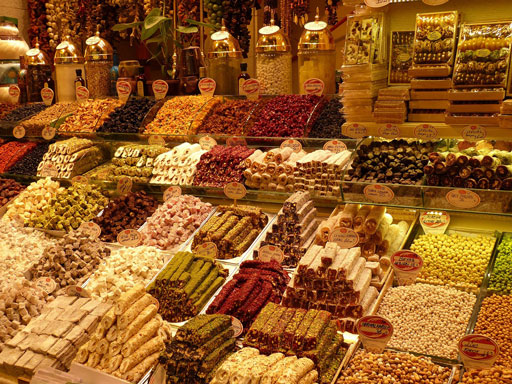
From the labyrinthine corridors of the Grand Bazaar, where over 4,000 shops sell everything from hand-woven carpets to antique jewelry, to the high-end boutiques of Nişantaşı and modern malls like Zorlu Center, Istanbul is a dream for shoppers.
And if you prefer something more unique, visit artisan markets or districts like Balat and Cihangir, where you can find handmade crafts, vintage treasures, and quirky gifts that you won’t find anywhere else.
Vibrant Art & Culture Scene
Modern-day Istanbul is a creative hub filled with art galleries, cultural centers, museums, and music festivals. Spaces like Istanbul Modern, SALT Galata, and Pera Museum offer contemporary interpretations of Turkey’s evolving identity.
From street art in Karaköy to classical performances at the Süreyya Opera House, Istanbul’s cultural pulse is alive and ever-changing. Whether you love traditional Turkish music or indie film festivals, you’ll find a thriving scene here.
Breathtaking Views & Natural Beauty
Istanbul’s hilly topography and strategic position along the Bosphorus provide breathtaking vistas—especially at sunset. Whether you’re taking a ferry ride, sipping coffee on a rooftop in Galata, or walking along the Golden Horn, the city offers countless panoramic views.
Green escapes like Yıldız Park, Emirgan Grove, and the Princes’ Islands provide a natural break from the bustling urban core, perfect for a picnic, walk, or bike ride.
Of course, outside of Istanbul and within a short distance, there are also attractive natural areas that can be suitable options for travelers to Turkey. Among them, Sapanca Lake and its surrounding areas can be mentioned, as well as two very famous ski resorts near Istanbul, Kartepe Ski Resort and Uludağ Ski Resort.
Warm Hospitality
Perhaps the most unforgettable aspect of Istanbul is its people. Turkish hospitality is legendary. Don’t be surprised if shopkeepers offer you tea, or if strangers go out of their way to help you find your destination.
This welcoming spirit makes even the largest and busiest city feel like home—and ensures that many visitors return again and again.
Top Attractions in Istanbul
Istanbul is a city where ancient history and vibrant modernity coexist beautifully. From centuries-old mosques and palaces to lively neighborhoods and serene coastal escapes, there’s something for every traveler. Here are the must-see attractions that bring the city to life.

Historical Sites
Hagia Sophia
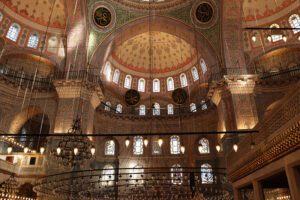
Once a Byzantine cathedral, later an Ottoman mosque, and now a museum-turned-mosque again, the Hagia Sophia is Istanbul’s most iconic monument. Its massive dome, intricate mosaics, and timeless ambiance make it a must-visit for anyone interested in history, architecture, or spirituality. Learn More →
Blue Mosque (Sultan Ahmed Mosque)
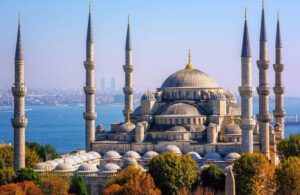
Just opposite the Hagia Sophia lies the stunning Blue Mosque. Known for its six minarets and beautiful blue İznik tiles inside, it remains an active place of worship. Visitors are welcome outside of prayer times, and the spiritual atmosphere is truly captivating.
Learn More →
Topkapi Palace
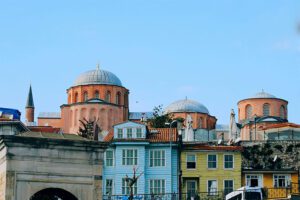
Step into the world of the Ottoman sultans at the Topkapi Palace. This sprawling complex houses courtyards, pavilions, the imperial harem, and priceless relics. It’s a journey into power, intrigue, and the lavish lifestyle of the empire. Learn More →
Natural Beauty
Bosphorus Strait
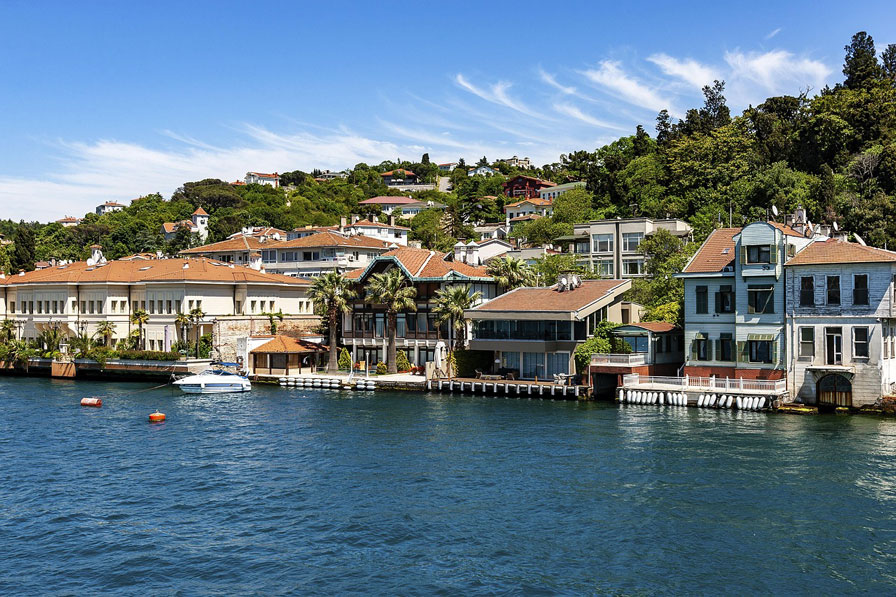
The Bosphorus isn’t just a body of water—it’s a symbol of Istanbul’s identity, dividing Europe and Asia while connecting cultures. A ferry ride offers breathtaking views of the city skyline, palaces, and waterfront mansions. Learn More →
Princes' Islands
Escape the city’s buzz with a short ferry trip to the Princes’ Islands. With no cars allowed, visitors explore by bike or on foot. Büyükada, the largest island, features historic mansions, pine forests, and peaceful shores. Learn More →
Cultural Hubs
Grand Bazaar
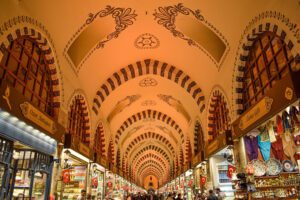
One of the oldest and largest covered markets in the world, the Grand Bazaar is a maze of more than 4,000 shops. You’ll find carpets, jewelry, lanterns, leather goods, and endless colors and aromas. Learn More →
Spice Bazaar
Smaller than the Grand Bazaar but bursting with scents and tastes, the Spice Bazaar is perfect for picking up Turkish delights, saffron, dried fruits, and exotic spices. It’s a feast for the senses. Learn More →
Modern Attractions
Galataport
Istanbul’s modern waterfront project, Galataport blends shopping, dining, art galleries, and a cruise terminal—all along a beautifully redesigned promenade. A great place for sunset walks and urban vibes. Learn More →
Rooftop Cafes
Experience Istanbul from above by visiting its famous rooftop cafes. Whether in Galata, Karaköy, or Şişli, these venues offer panoramic views of the city, perfect for coffee breaks or evening cocktails. Learn More →
Ready to Make Your Dream Trip Happen?
Istanbul is not only captivating, it's also surprisingly affordable.
🎯 Let us help you design the perfect travel experience tailored to your needs and budget
Accommodation in Istanbul
Finding the right place to stay in Istanbul can significantly shape your travel experience. The city offers a wide variety of accommodation options that suit every taste and budget—from luxurious hotels overlooking the Bosphorus to cozy hostels tucked away in historic neighborhoods. Whether you’re visiting for history, shopping, nightlife, or relaxation, there’s a perfect spot waiting for you.
Types of Accommodation in Istanbul
Istanbul has a wide range of lodging options that cater to different traveler profiles.
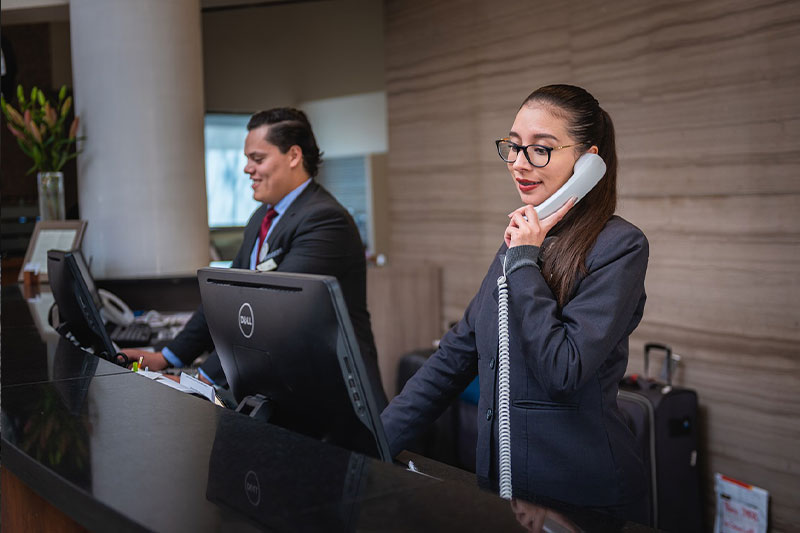
If you’re looking for comfort and convenience, mid- to high-end hotels are scattered across the city, especially in tourist-friendly zones like Sultanahmet and Taksim. These hotels often offer amenities like breakfast, Wi-Fi, concierge service, and airport transfers.
For budget-conscious travelers, hostels and guesthouses are great options. Many are located near the city center and offer both dormitories and private rooms. Guesthouses also provide a more homely and local feel, especially in residential neighborhoods like Balat or Üsküdar.
If you’re traveling with family or staying for an extended period, short-term rental apartments can offer both affordability and independence. Platforms like Airbnb and local Turkish booking sites provide numerous listings with kitchen access and self-check-in options.
Best Areas to Stay in Istanbul
Choosing where to stay in Istanbul depends on your interests and how you plan to get around. Here are some of the top neighborhoods for tourists:
Sultanahmet – Ideal for first-time visitors. It’s the heart of old Istanbul, home to iconic landmarks like Hagia Sophia, Blue Mosque, and Topkapi Palace. Accommodations range from boutique hotels to heritage guesthouses, most within walking distance to major sites.
Taksim & Beyoglu – Perfect for those seeking vibrant nightlife, trendy cafés, and easy transportation. Taksim Square is a central hub with quick access to Istiklal Avenue and the metro. Beyoğlu offers a mix of traditional charm and modern energy.
Galata & Karakoy – These artsy and historic areas are located near the Galata Tower and the Bosphorus. They’re excellent for couples or solo travelers interested in culture, photography, and boutique stays.
Kadikoy (Asian Side) – A quieter, more local vibe with great food, markets, and ferry access to the European side. Perfect for long stays and travelers who want to explore beyond tourist spots.
Booking Tips & Safety Advice
It’s recommended to book your accommodation at least 2–3 weeks in advance, especially during high seasons like spring (April–June) and autumn (September–October). Use trusted platforms such as Booking.com, Airbnb, or local Turkish websites like Otelz and Etstur.
Always read recent reviews and double-check the location on a map to avoid misleading listings. Look for hotels and apartments with at least a 7.5/10 rating and multiple reviews for better reliability.
Safety in Istanbul is generally good, especially in tourist areas. However, it’s still advisable to avoid very cheap, unknown listings and always check if the accommodation provides a 24-hour reception or secure entrance. For apartment rentals, opt for “Superhosts” or properties with verified credentials.
Booking Tips & Safety Advice
It’s recommended to book your accommodation at least 2–3 weeks in advance, especially during high seasons like spring (April–June) and autumn (September–October). Use trusted platforms such as Booking.com, Airbnb, or local Turkish websites like Otelz and Etstur.
Getting Around Istanbul
Your ultimate guide to navigating the city with ease and confidence.
With its sprawling landscape spread across two continents, Istanbul can feel overwhelming at first. But the good news is that the city offers a comprehensive and affordable transportation network that connects historic landmarks, local neighborhoods, and hidden gems. Whether you’re a first-time visitor or a long-term resident, understanding your transit options will save you both time and money.
Public Transportation Options
Public transportation in Istanbul is extensive and well-integrated, covering buses, metro lines, trams, ferries, and funiculars. It’s the most efficient way to move around, especially during rush hours when traffic can be heavy.
Metro and Tram Lines
The metro system in Istanbul is modern, clean, and expanding rapidly. Major lines such as M1 (connecting the airport to the city) and M2 (running through central areas like Taksim and Şişli) make getting around convenient. Trams, especially the T1 line, are ideal for tourists—it stops at top attractions including Sultanahmet, Hagia Sophia, and the Grand Bazaar.
Buses and Metrobuses
City buses cover almost every district. While they’re more flexible in terms of destinations, they can be slower due to traffic. The Metrobus, however, runs on a dedicated lane that stretches from the European to the Asian side, making it a faster option for longer distances.
Ferries
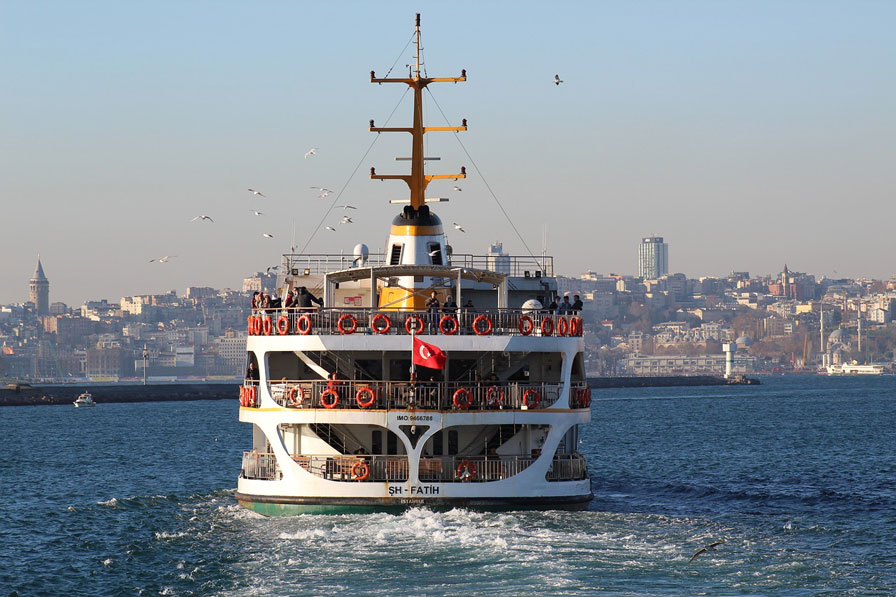
Ferries are not just scenic—they’re practical. They connect the European and Asian sides and offer a peaceful break from the city’s hustle. Popular routes include Karaköy to Kadıköy and Eminönü to Üsküdar. Ferries are usually on time, less crowded, and provide an enjoyable view of the Bosphorus.
Funiculars and Cable Cars
Short but essential routes like the Tünel (one of the world’s oldest underground funiculars) or the Kabataş-Taksim funicular connect lower coastal areas to hilltop locations, helping you avoid steep climbs.
Istanbulkart: The Smart Travel Card
The Istanbulkart is your key to all public transport in the city. This contactless card can be topped up easily and used across buses, metros, trams, ferries, and more. It significantly reduces individual ticket costs and is highly recommended for anyone staying more than a day.
You can purchase an Istanbulkart from kiosks near major transport hubs like airports, ferry terminals, or metro stations. Tap it once per journey and enjoy discounted travel with each use.
Taxis and Ride-Sharing
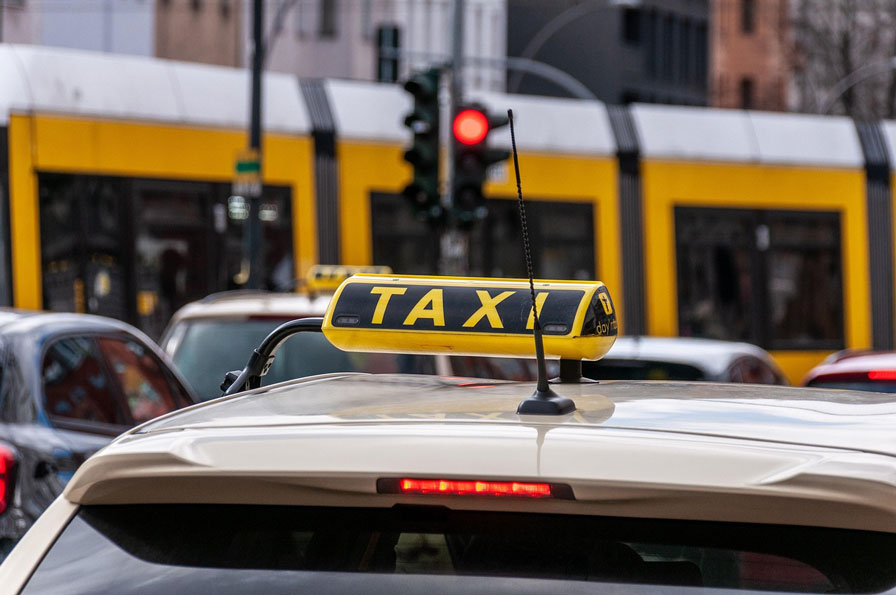
While taxis are widely available, they can be hit-or-miss due to overcharging or refusal to use meters. Always insist on the meter being used, or opt for ride-hailing apps like BiTaksi or Uber, which are both available in Istanbul. These platforms offer estimated pricing and reduce language barriers.
Walking and Biking
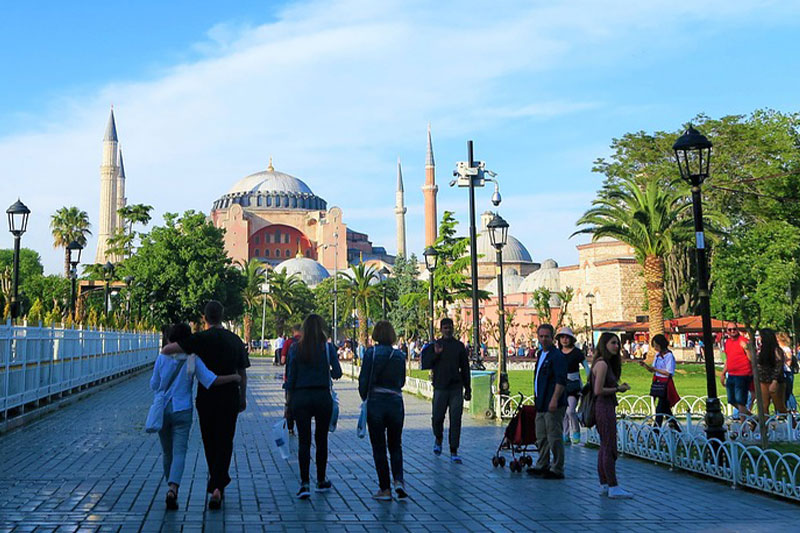
In central districts like Sultanahmet, Karaköy, and Galata, walking is often the best way to explore. The narrow streets, local cafés, and historical facades are best appreciated on foot.
Cycling is gaining popularity, and bike-sharing services like İsbike offer rentals along scenic coastal routes, although the city’s hilly terrain may pose a challenge in some areas.
Private Transfers and Airport Shuttles
For travelers arriving at or departing from Istanbul Airport or Sabiha Gökçen Airport, several shuttle services and private transfer options are available. Pre-booking ensures smooth transport, especially during late-night or early-morning hours.
Cost of Traveling in Istanbul
Understand your travel expenses before you arrive — plan smart and avoid surprises.
Whether you’re a budget backpacker or a luxury seeker, Istanbul offers flexible options for all types of travelers. The city is known for its rich experiences that often come at an affordable price compared to many other European destinations. In this section, you’ll find a clear overview of average daily expenses and what to expect in terms of food, transportation, attractions, and accommodation.
Budget Traveler
Average Daily Budget: $25–$50 USD
If you’re traveling on a budget, Istanbul won’t disappoint.
You can stay in clean hostels or budget hotels for around $20 per night. Many attractions like mosques and street markets are free or low-cost. Public transport using the Istanbulkart is highly affordable, and meals from local eateries or street food vendors cost around $3–$10.
Tips: Use ferries instead of private tours for scenic views, and check for museum combo tickets or free entrance days.
Mid-Range Traveler
Average Daily Budget: $60–$120 USD
For those looking for more comfort, mid-range travel in Istanbul includes stays at boutique hotels or well-rated guesthouses for $40–$70 per night. Dining at traditional restaurants with full meals costs $10–$20 per person. You can enjoy guided tours, museum visits, and occasional rooftop cafes without breaking the bank.
Tip: Booking accommodations slightly away from tourist hotspots like Sultanahmet or Taksim can save you money while keeping you close to attractions.
Luxury Traveler
Average Daily Budget: $150–$300+ USD
Luxury in Istanbul is world-class. Five-star hotels with Bosphorus views, gourmet dining, private yacht tours, and chauffeur services are widely available. Upscale restaurants can range from $30–$100 per meal per person, and luxury shopping is abundant in areas like Nişantaşı or Zorlu Center.
Note: Istanbul offers a great balance between value and indulgence — luxury experiences are often more affordable here compared to cities like Paris or London.
Ready to Make Your Dream Trip Happen?
Istanbul is not only captivating, it's also surprisingly affordable.
🎯 Let us help you design the perfect travel experience tailored to your needs and budget
Geography & Climate of Istanbul
Where East meets West — and every season paints a new picture.
Istanbul’s geography and climate play a huge role in shaping its charm and rhythm. As a city that literally straddles two continents, it offers a mix of natural beauty, strategic importance, and a temperate climate that makes it a year-round destination.
A City Between Continents
Istanbul is uniquely located on both the European and Asian sides of the Bosphorus Strait — a narrow waterway connecting the Black Sea to the Sea of Marmara. This geographical position not only gives the city stunning natural scenery but also a deep historical and cultural significance.
The European side hosts most of the city’s famous landmarks, like Sultanahmet, Taksim, and the Grand Bazaar. Meanwhile, the Asian side, known for neighborhoods like Kadıköy and Üsküdar, offers a more local, residential vibe. You can easily travel between the two via ferry, metro, or road, making it feel like you’re hopping between two different worlds in one day.
Climate Overview
Istanbul experiences a humid subtropical climate with Mediterranean influences. Winters are generally mild and rainy, while summers are hot and humid — though coastal breezes from the Bosphorus often bring relief.
Spring (March–May): Ideal for visiting, with temperatures ranging from 12°C to 22°C. Parks bloom, and tourist crowds are moderate.
Summer (June–August): Hot and bustling, with highs around 30°C. Perfect for Bosphorus cruises and nightlife, though you’ll face more crowds.
Autumn (September–November): Mild and colorful, with temperatures between 15°C and 25°C. A quieter, pleasant time to explore.
Winter (December–February): Cool and rainy, with occasional snowfall. Daytime temperatures hover around 8°C to 12°C.
Best Time to Visit
The best time to visit Istanbul depends on what you’re looking for:
April to June and September to November are considered the sweet spots for weather, affordability, and fewer crowds.
Summer is great for festivals and open-air events, but prices and tourist density rise significantly.
Winter offers the lowest prices and a quieter city, perfect for museum-hopping and enjoying warm street foods.
Bonus Tip: Local Weather Apps
Apps like Windy, AccuWeather, or MGM (Turkish State Meteorological Service) provide reliable, hyperlocal forecasts for Istanbul. These are particularly helpful for boat trips or planning walking-heavy days.
Local Life & Culture in Istanbul
Where tradition meets trend — discovering daily life in Istanbul.
Istanbul’s cultural heartbeat is unlike anywhere else in the world. It pulses with a rich blend of old and new, East and West, conservative values and contemporary lifestyles. Understanding local life here adds depth to your visit and helps you see beyond the postcard views.
Daily Rhythm & Urban Flow
From the first call to prayer at dawn to the buzz of nightlife in Beyoğlu, Istanbul moves with a rhythm that’s both ancient and alive. Mornings begin with bakery scents of simit and tea vendors calling out on street corners. In the evening, locals gather in neighborhood cafés, along the Bosphorus, or in lively parks for tea, conversation, and backgammon.
Despite being a massive metropolis, Istanbul retains a strong sense of neighborhood community. In areas like Balat, Moda, or Beşiktaş, you’ll find local markets, street chats, and even neighbors shouting from balcony to balcony.
Traditions and Modernity in Style
In Istanbul, it’s not unusual to see a woman in a modern designer outfit walking alongside someone in a traditional başörtüsü (headscarf) and long coat. This visual contrast reflects the city’s cultural inclusiveness and layered identity. From trendy rooftop bars in Karaköy to conservative tea gardens in Fatih, all lifestyles are represented.
Turks take great pride in their appearance, especially in public spaces. Dressing well is a sign of respect — not only for yourself but for the people you interact with. While Istanbul is generally liberal in dress code, modesty is appreciated in religious sites.
Festivals, Customs & Social Etiquette
Turkish culture is deeply rooted in hospitality and celebration. You’ll often hear the phrase “Hoşgeldiniz” (“Welcome”) from strangers — and it’s sincere. Being offered tea, even by shopkeepers, is part of everyday social ritual.
Key cultural highlights include:
Ramadan (Ramazan): A month of fasting and spiritual reflection. Restaurants still serve, but locals might invite you to join in iftar dinners.
Kurban Bayramı (Feast of Sacrifice): Marked by family visits, charity, and shared meals.
Republic Day (Oct 29): Celebrated with flags, concerts, and parades.
Tulip Festival (April): Parks bloom with millions of tulips — a nod to the city’s Ottoman-era love for the flower.
Hand gestures, body language, and eye contact also carry cultural weight. For example, a slight nod with a smile is often more respectful than a loud greeting in formal contexts. When visiting a local’s home, bringing a small gift or sweets is always appreciated.
Food & Street Life in Istanbul
Taste the culture — one bite and one street at a time.
Istanbul is a feast not only for the eyes but also for the appetite. The city’s food scene is a vibrant blend of history, geography, and daily life — from age-old Ottoman recipes to spontaneous bites from a street cart. And it’s not just about eating; it’s about how food and public life intersect to define the Istanbul experience.

Street Food Delights
Whether you’re strolling through Sultanahmet or catching a ferry from Kadıköy, street food is an essential part of life in Istanbul. Vendors selling simit (sesame bagels), roasted chestnuts, corn on the cob, or balik ekmek (grilled fish sandwiches) bring the streets to life with color and aroma.
One of the most iconic street foods is kokorech — seasoned lamb intestines grilled and chopped into spicy sandwiches. Another favorite is midye dolma, mussels stuffed with spicy rice, sold from trays carried by street vendors late into the night. Every bite comes with a local story — affordable, flavorful, and deeply cultural.
→ For more, check out our dedicated guide to Istanbul’s Street Food
Local Cuisine: More Than Kebab
While Turkish kebabs are globally recognized, Istanbul’s culinary palette extends far beyond. You’ll find:
Meze platters with eggplant purée, stuffed vine leaves, and spicy tomato spreads
Borek — flaky pastry filled with cheese or minced meat, perfect for breakfast or snack
Lentil soup (mercimek çorbası) — a staple in local eateries
Pide — often called Turkish pizza, with various toppings on a soft flatbread
Traditional dishes often come with ayran, a salty yogurt drink, or a strong glass of Turkish tea. Most restaurants — from hole-in-the-wall joints to stylish meyhanes (taverns) — welcome solo diners and large groups alike, often with complimentary bread and olives to start.
Evenings in the City: Street Life After Dark
When the sun sets, Istanbul’s streets come alive in a different rhythm. In districts like Beyoglu, Kadikoy, and Galata, narrow alleys fill with music, laughter, and clinking glasses. Locals enjoy raki mezes on rooftop terraces or gather around low tables in streetside cafes.
For a quieter night, stroll the lit promenades along the Bosphorus, watch ferries cross continents, or find a cozy tea house tucked into a historic passage. Istanbul’s nightlife isn’t always loud — sometimes, it’s simply the joy of being out among people.
Plan Your Trip
Get ready for Istanbul — with confidence and clarity.
Planning a trip to Istanbul can feel overwhelming — especially with so much to see, eat, and explore. But with a little preparation and the right information, you can make your journey smoother, more enjoyable, and tailored exactly to your interests. Whether you’re a first-time visitor or returning to uncover new corners of the city, good planning makes all the difference.
What You’ll Find in Our Travel Planning Guide
In our full Plan Your Trip page, you’ll discover everything you need to get started:
Visa & Entry Requirements: Learn about visa policies, e-visas, and border entry procedures for various nationalities.
Flight & Airport Info: Understand the best ways to fly into Istanbul, how to navigate its two airports (IST & SAW), and useful arrival tips.
Accommodation Tips: Explore where to stay based on your travel style — from budget-friendly hostels in Taksim to luxury stays along the Bosphorus.
Packing Checklist: Get a curated list of essentials based on season, local customs, and transportation.
Local Etiquette & Safety: Be informed about cultural expectations, dress codes, and basic do’s and don’ts to help you blend in confidently.
Language Help: Learn key Turkish phrases for travelers, and what to expect when most locals speak limited English.
Travel Insurance & Health Tips: From vaccination recommendations to emergency numbers, we’ve got you covered.
Ticket prices may vary depending on the season. We recommend checking the official website before your visit
Why This Matters
Many travelers arrive in Istanbul unprepared — missing out on local insights or losing time figuring things out on the go. This guide helps you avoid common pitfalls, discover hidden gems, and feel at ease as soon as you land.
By reading this section, you’ll know exactly:
What documents and money you’ll need
Which neighborhoods suit your style
How to move around efficiently
How to stay connected and informed
Whether you’re a solo traveler, with family, or on a romantic getaway, you’ll find planning resources tailored for your experience.
How to Get to Istanbul
All roads (and flights) lead to Istanbul — here’s how to arrive with ease.
Whether you’re flying in from across the world, traveling by train from Europe, or hopping on a domestic bus from another Turkish city, getting to Istanbul is relatively simple — and surprisingly affordable. With two major airports, a growing high-speed rail network, and an extensive bus system, Istanbul is more accessible than ever.
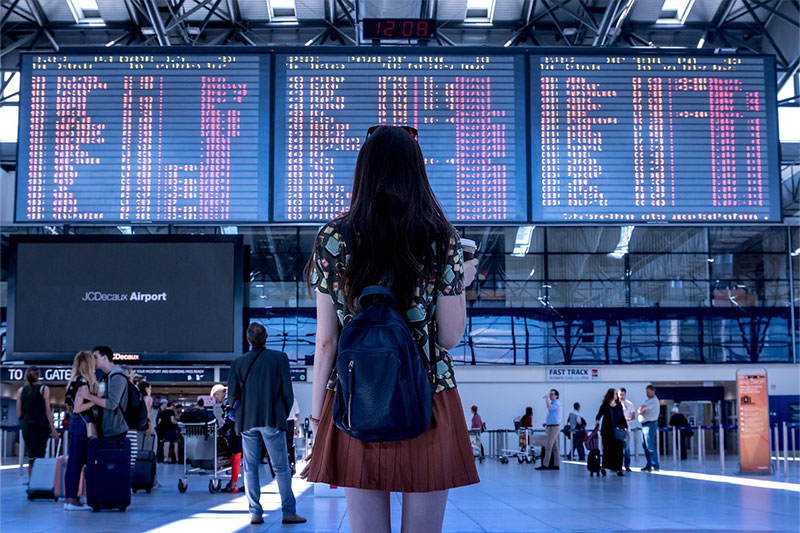
Flying to Istanbul
Istanbul has two international airports:
- Istanbul Airport (IST): The main international hub located on the European side. It’s one of the largest and busiest airports in the world, serving flights from over 300 destinations.
Sabiha Gökçen Airport (SAW): Located on the Asian side, this airport mostly handles budget airlines and regional flights.
If you’re arriving from abroad, IST is the likely landing point. From the airport, you can reach the city center via airport buses, taxis, or the Metro (M11 line). Average travel time to Sultanahmet or Taksim is about 40–60 minutes.
SAW offers shuttle services (like Havabus), taxis, and soon a direct metro connection (under construction at time of writing). It’s a preferred choice for travelers flying with Pegasus Airlines or other low-cost carriers.
Arriving by Train
If you’re coming from Europe, Istanbul is connected to cities like Sofia, Bucharest, and Belgrade through regional rail services. The Halkalı Train Station on the outskirts of the city serves international trains, with local transport options available to reach the city center.
Though less common than flying, train travel offers a scenic and relaxed way to enter Turkey — and often requires planning in advance.
SAW offers shuttle services (like Havabus), taxis, and soon a direct metro connection (under construction at time of writing). It’s a preferred choice for travelers flying with Pegasus Airlines or other low-cost carriers.
Reaching Istanbul by Bus
Istanbul’s Esenler Bus Terminal (on the European side) and Harem Terminal (on the Asian side) are two of the largest in Turkey, serving domestic and international routes.
Daily buses arrive from Ankara, Izmir, Cappadocia, and almost every other major city in Turkey.
International services connect to Greece, Bulgaria, Georgia, and more.
Buses are affordable, comfortable, and frequent, though travel times can be long depending on distance and traffic.
Driving to Istanbul
While driving into Istanbul is possible — especially from European borders or domestic routes — be aware that traffic congestion is a major issue in the city. Unless you’re planning a broader road trip through Turkey, relying on public transportation is often a better choice once inside the city.
Ferry & Cruise Arrivals
Cruise ships occasionally dock at Galataport Istanbul, especially during the summer and fall seasons. If you’re arriving by cruise, you’re in for a scenic entrance — with views of the Bosphorus, Topkapi Palace, and the Blue Mosque right from the deck.
Summary
No matter your route, Istanbul welcomes travelers with modern infrastructure, multilingual signage, and relatively smooth arrival procedures. From air to rail, bus to boat, your journey into this vibrant city is the first step in your unforgettable experience.
Want to explore more? Start your journey from the Trip by Ali homepage.
Quick answers to the most common questions travelers have about Istanbul.– FAQ
Whether you’re planning your first trip or returning for more, these answers will help you navigate the city with confidence.
Is Istanbul safe for tourists?
Yes — Istanbul is generally safe for tourists. Like any major city, petty crimes such as pickpocketing can occur, especially in crowded areas like Taksim, Sultanahmet, and public transport. However, violent crime is rare, and the city is heavily patrolled by police, especially in tourist zones. Use common sense, avoid isolated areas late at night, and keep your belongings secure.
What’s the best time to visit Istanbul?
The best months are April to June and September to November, when the weather is pleasant and the city is less crowded. Spring brings blooming parks and ideal temperatures, while autumn offers beautiful Bosphorus sunsets and fewer tourists. Summer can be hot and humid, and winter can be rainy or occasionally snowy — but both have their own charm and lower travel costs.
Do I need a visa to visit Turkey?
Most travelers need either a visa or e-visa to enter Turkey, depending on their nationality. Citizens of some countries (like Germany, the UK, and Japan) can enter visa-free for short stays. Others, including U.S. citizens, need to apply for an e-visa online, which is a simple and quick process.
You can check your visa requirement and apply here: https://www.evisa.gov.tr
Is the water safe to drink in Istanbul?
Tap water is technically safe for brushing teeth and washing, but most locals and travelers prefer bottled water for drinking due to taste and older pipe systems. Bottled water is cheap and widely available everywhere, including hotels, street kiosks, and restaurants.
How do I get from the airport to the city center?
From Istanbul Airport (IST): Use the Havaist buses, Metro (M11), or a taxi. Travel time is 45–60 minutes.
From Sabiha Gökçen (SAW): Use Havabus shuttle, taxis, or buses. It takes around 60–90 minutes depending on traffic.
Can I use credit cards in Istanbul?
Yes — credit and debit cards are widely accepted in Istanbul, especially in hotels, restaurants, and larger shops. However, cash is still preferred or required in smaller markets, street vendors, and public transport. It’s best to carry a mix of both.
Is Istanbul walkable?
Parts of Istanbul, like Sultanahmet, Galata, and Karakoy, are very walkable with plenty of historical sites close together. However, due to the city’s hills and size, you’ll often need to rely on public transportation for longer distances. A good pair of walking shoes is essential!
More Istanbul Guides


Need Help Planning Your Istanbul Adventure?
Whether you're visiting for a few days or a few weeks, we can create a custom travel plan that fits your timeline and interests.
From street food to sunsets over the Bosphorus — we've got you covered.
Written by Ali Rahnama — Local Eco Tour Guide and Travel Storyteller.
Explore my Google Maps contributions •
Discover more at Trip by Ali.