
Turkish Traditions and Customs: A Deep Dive into Culture, Rituals, and Everyday Life
Turkish Traditions and Customs: A Deep Dive into Culture, Rituals, and Everyday Life
Türkiye (formerly known as Turkey) is a land where ancient civilizations have thrived, empires have risen and fallen, and cultures have interwoven for centuries. But beyond its magnificent ruins and natural beauty lies a rich and layered social fabric, formed by centuries of tradition and deeply rooted customs. Understanding Turkish traditions and customs is not only key to appreciating the culture—it’s essential for meaningful human connection, whether you’re traveling, living, or working in Turkey.
This guide offers a comprehensive journey through the most prominent aspects of Turkish traditions, from hospitality and family life to religious celebrations and symbolic daily practices.
Fast Facts: What You Should Know about Turkish Culture
Turks consume over 3 billion cups of tea every year.
• Ramadan (Ramazan) is observed by the majority, with communal iftars.
• Shoes are taken off at the door in almost every household.
• Weddings often include traditional dances like halay and davul-zurna music.
• Eye-shaped “Nazar Boncuğu” charms are believed to ward off evil.
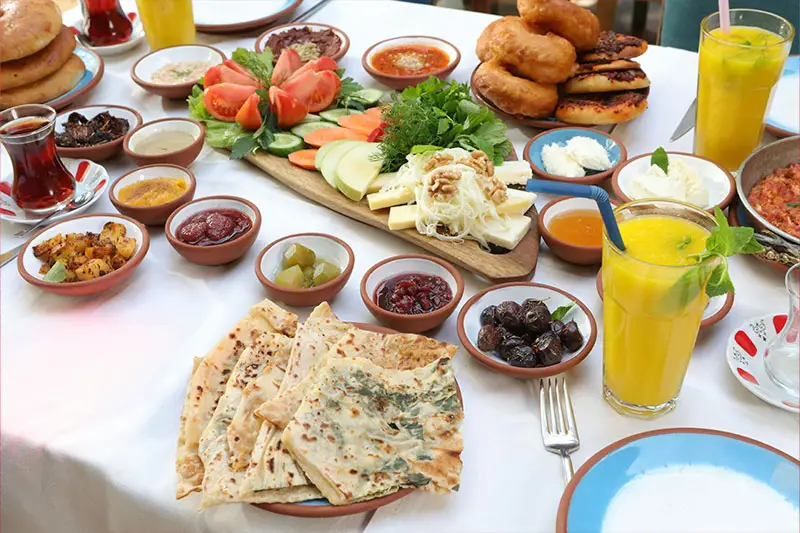
• Turkish breakfast can have over 10 dishes on one table.
• Whistling at night is considered bad luck in some regions.
The Role of Hospitality in Turkish Society
If one tradition stands out above all else in Turkey, it is hospitality. In Turkish culture, hosting guests is a sacred duty and a sign of personal honor. Whether you are a neighbor, a visitor from abroad, or a total stranger, you’re likely to be welcomed with tea, sweets, and open arms.
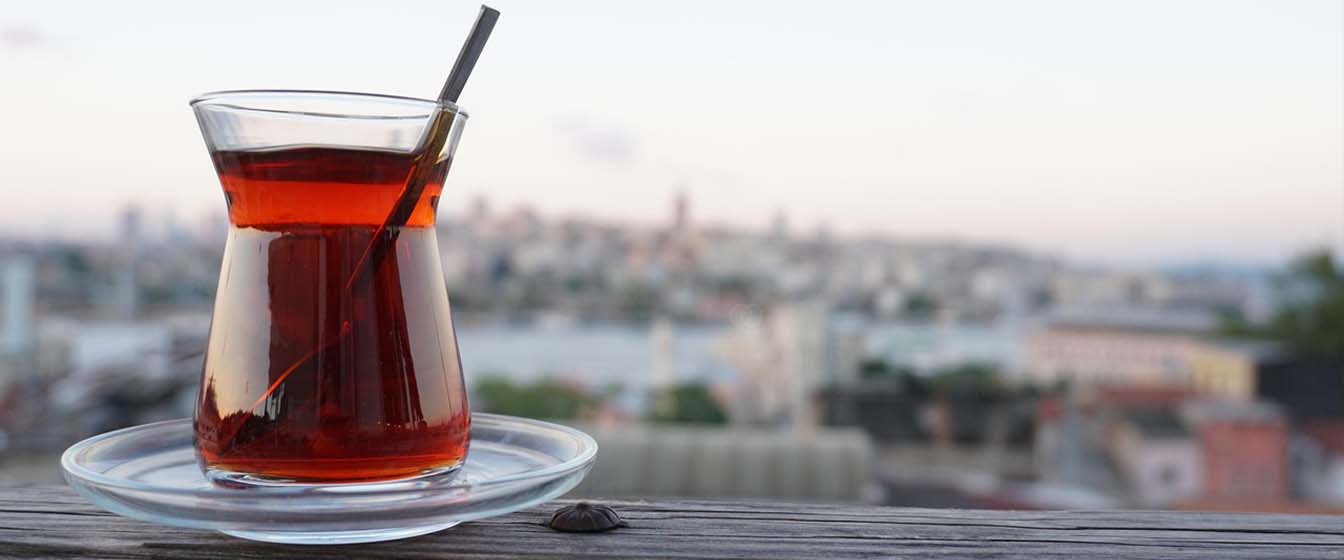
Tea (çay) is the most universal gesture of welcome. It is served hot, in tulip-shaped glasses, often without asking. Refusing it might even be considered slightly rude—offering and accepting tea is a ritual that connects people. Coffee (Türk kahvesi), on the other hand, is more ceremonial, often served after meals or during significant conversations like marriage proposals.
Guests are treated with utmost generosity, often offered the best seat, and served homemade food. It’s not uncommon for a host to insist several times until the guest accepts more food or drink. In villages, travelers may even be invited to stay overnight—a throwback to the tradition of protecting guests in nomadic life.
Hospitality also plays out in social traditions like “bayram visits” (holiday visits) and “komşu dayanışması” (neighborly support), where people share meals, desserts, or support with neighbors and friends, especially in times of celebration or hardship.
The Heart of Turkish Hospitality: Dining as a Social Ritual
Hospitality in Türkiye is inseparable from the art of the shared table, where every meal serves as a social ritual that defines daily interactions. Whether it is the elaborate spread of a traditional breakfast or the careful preparation of festive dishes during national holidays, the culinary landscape is the beating heart of local life. These dining habits are not merely for nourishment but are rooted in centuries of social customs that prioritize community, respect, and connection. To explore the historical significance and the diverse regional traditions behind these dining habits, we invite you to read our Complete Guide to the Traditional Food Culture of Türkiye.
Traditional Turkish Breakfast Culture
“Turkish hospitality is also best experienced during the famous traditional breakfast spread, which brings families and friends together around a diverse and abundant table filled with cheeses, olives, tomatoes, eggs, pastries, jams, and—of course—endless tea. Learn more about this vibrant morning tradition in our dedicated guide to the Turkish Breakfast.
Turkish breakfast is one of the most popular and famous breakfasts in the world, ranking first in 2025. Several other Turkish dishes are also included in the list of the 50 most famous breakfasts in the world.
Family Structure and Respect for Elders
Family lies at the core of Turkish society. The typical Turkish family structure is extended and tightly knit, with grandparents, uncles, aunts, and cousins often living close to each other or even under one roof. It is common for several generations to maintain frequent contact, with elders often playing a central role in family decision-making.
Respect for elders is an unshakable social rule. Younger family members stand up when an elder enters the room, kiss their hand, and bring it to their forehead—a traditional sign of deference. Seeking the blessing of parents and grandparents is common before marriage, opening a business, or making major life decisions.
This deep-rooted respect is not limited to family. In everyday social interaction, people use terms like “abi” (older brother), “abla” (older sister), or “amca” (uncle) for people they may not even be related to, reflecting a broader sense of communal hierarchy and politeness.
Children are often raised with strong family support. Grandparents help with caregiving, and values like obedience, modesty, and responsibility are instilled early on. Family gatherings—particularly on Sundays or during religious holidays—are large, warm, and centered around food and togetherness.
Weddings and Engagement Traditions
Marriage ceremonies in Turkey are vibrant social events steeped in custom. They are typically multi-day affairs involving the extended families and even entire neighborhoods. While modern urban weddings might take place in grand halls, traditional elements remain prominent.
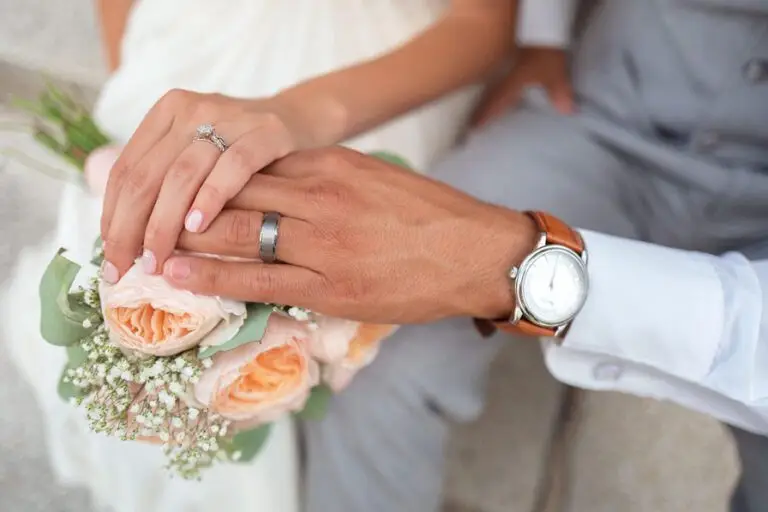
Engagements (nişan) are often celebrated with an official family visit and the giving of rings, sweets, and symbolic gifts. A key moment is the “kız isteme” (asking for the girl’s hand), where the groom’s family visits the bride’s home to formally request her hand in marriage.
The henna night (kına gecesi) is a traditional pre-wedding celebration held in honor of the bride, usually attended by female friends and relatives. The bride’s hands are stained with henna as symbolic protection and blessing, often accompanied by emotional songs, dancing, and joyful tears.
Weddings (düğün) are filled with music, dancing (particularly halay in many regions), and elaborate feasting. Traditional attire, regional customs, and rituals such as walking the bride to the groom’s house or decorating the wedding car with ribbons remain widely practiced across the country.
Religious Traditions and Celebrations
Religion plays a vital role in shaping Turkish customs, even in the lives of those who may not be deeply religious. The Islamic calendar marks several key occasions that influence social behavior and family life.
Ramadan (Ramazan) is one of the most important religious periods. During this month, many Muslims fast from sunrise to sunset, and break their fast with a shared evening meal called “iftar.” Cities come alive with special events, street lanterns, and communal tents where food is distributed to the needy. The post-Ramadan celebration, Eid al-Fitr (Ramazan Bayramı), involves visiting family graves, preparing sweets, and sharing joy with loved ones. Children go door-to-door offering greetings in exchange for candy or pocket money.
Eid al-Adha (Kurban Bayramı), the Festival of Sacrifice, is marked by the ritual sacrifice of an animal—typically a sheep or cow. The meat is then shared with family, neighbors, and the poor. It’s a time of compassion, generosity, and community bonding.
Other celebrations like Mevlid Kandili (the Prophet Muhammad’s birthday) are also observed with prayers and religious gatherings. While secularism is a constitutional principle in Turkey, traditional religious values continue to influence daily life, especially in rural areas.
Everyday Spirituality in Turkey
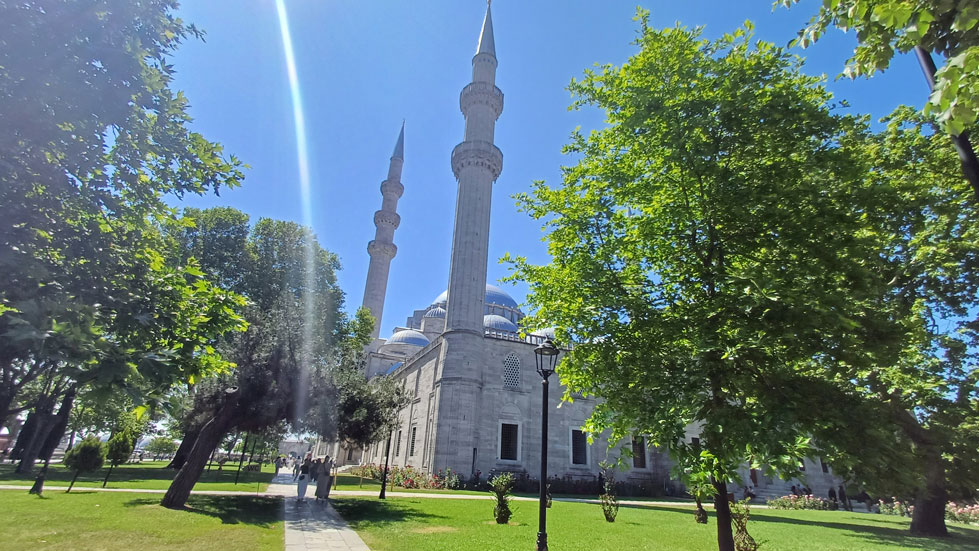
In Turkey, religion plays a visible and respectful role in daily life. The call to prayer echoes five times a day from mosque minarets, marking the rhythm of time even for those who may not be practicing Muslims.
Expressions like “inşallah” (God willing) and “maşallah” (what God has willed) are part of everyday conversations. Acts such as visiting shrines, offering food to neighbors on holy days, or praying for someone’s safe travels are common and deeply rooted in cultural values. Even in urban areas, there is a strong sense of spiritual presence that influences social behavior, community traditions, and personal interactions.
Seasonal Festivals and Ancient Rituals
Not all Turkish traditions are religious—many are seasonal or regional and date back to pre-Islamic and Central Asian Turkic roots.
One example is Hıdırellez, celebrated on May 5–6, symbolizing the arrival of spring. Believed to be the day when prophets Hızır and İlyas meet on Earth, it’s associated with wish-making, bonfire jumping, and joyful outdoor gatherings. People write wishes on paper and bury them under rose bushes or throw them into rivers.
Nevruz, celebrated on March 21, is another traditional spring festival rooted in Persian and Central Asian culture. Particularly prominent among Kurdish and Alevi communities, it marks renewal, nature’s awakening, and social unity. Celebrations feature fire rituals, folk dances, colorful outfits, and large communal meals.
These ancient rituals coexist harmoniously with Islamic traditions, reflecting Turkey’s unique blend of cultural layers.
To understand Turkey is to sit at its table, sip its tea, and dance to its drums.
Experience the rituals that turn everyday life into celebration.
👉 Plan My TourSymbolism and Superstitions in Daily Life
Turkish daily life is filled with small rituals and symbols believed to protect, bring luck, or ensure well-being. These customs, while sometimes subtle, hold deep cultural significance and are passed down through generations.
One of the most widely recognized symbols is the Nazar Boncuğu, or evil eye bead. Found in homes, cars, jewelry, and even baby clothing, this blue-and-white charm is believed to protect against negative energy and jealousy. Gifting someone a Nazar bead is seen as a gesture of care and protection.
Another common practice involves pouring a glass of water behind someone who is leaving on a journey. This symbolizes a smooth, safe return—”like water, may you flow back home easily.”
Turkish people also value gestures of blessing and goodwill. For example, when someone sneezes, others say “Çok yaşa” (live long), and the reply is “Sen de gör” (may you see it too). When embarking on a long journey or beginning a project, people say “Hayırlı olsun” (may it be blessed).
Sharing food is not only hospitality but a ritual in itself. Offering Turkish delight (lokum), fruit, or home-cooked dishes to guests is an ingrained custom, especially after returning from a trip or during holidays.
Arts, Crafts, and Cultural Expressions
Traditional Turkish arts and crafts are both beautiful and functional, reflecting values of patience, devotion, and communal heritage. Each region has its own unique styles and techniques, many of which are UNESCO-recognized.
Handwoven rugs (halı and kilim) are perhaps the most iconic. Each pattern, color, and motif tells a story—often one of love, protection, or spiritual symbolism. Making a rug can take weeks or months and is considered both a meditative act and a form of ancestral communication.
Ebru (marbling), calligraphy, and miniature painting are other classical arts practiced across generations. In rural areas, pottery, copper work, and embroidery still thrive as part of local economies and dowry preparation.
Folk dances (such as zeybek, horon, or halay) and regional music (with instruments like the saz and darbuka) are vital parts of celebrations, ceremonies, and national pride. These cultural expressions serve not just as entertainment, but as vehicles for storytelling and identity preservation.
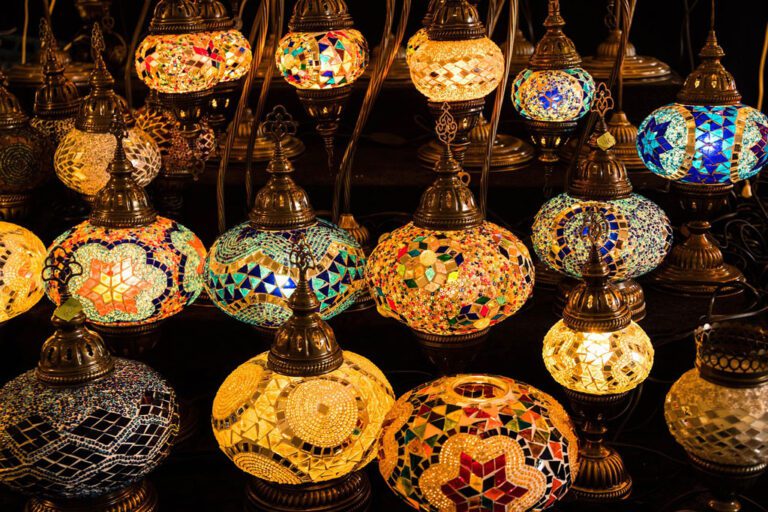
Traditional Clothing and Modern Adaptations
While modern Turkish people generally wear Western-style clothing in everyday life, traditional garments still hold strong cultural significance and are often worn during ceremonies, festivals, or in rural areas. These garments vary greatly depending on region, gender, and occasion.
For women, traditional dresses often include colorful layered fabrics, embroidery, coin-adorned headscarves (yemeni), and waistbands. In some regions, especially the southeast, bridal attire includes gold jewelry and vividly colored veils. For men, regional variations include baggy trousers (şalvar), vests, and distinctive hats such as the fez or turban.
Many Turkish cultural festivals or national days encourage people—especially children—to wear traditional outfits, helping preserve the visual heritage of older generations.
In contemporary settings, Turkish fashion blends tradition and modernity. You may see someone wearing a handcrafted scarf alongside jeans and a blazer, or a modern dress designed with Ottoman motifs. This reflects the larger identity of Turkey: deeply rooted in history, yet dynamically evolving.
Conclusion: Why Turkish Traditions Still Matter Today
Turkish traditions and customs are more than just colorful practices from the past—they are living, evolving expressions of identity, belonging, and collective memory. Whether in a bustling Istanbul café or a quiet Anatolian village, you can feel the echoes of ancient rituals and shared values that bind people together.
As a visitor, respecting and participating in these traditions opens doors—literally and metaphorically. It shows appreciation, builds trust, and creates meaningful cultural bridges. From the warm offer of tea to the respectful bow to an elder, every gesture carries a story.
Whether you are planning to visit Turkey or simply want to understand it more deeply, embracing its customs is the key to connecting with its people—and its soul.
Turkish Traditions at a Glance
Discover five essential cultural elements that shape everyday life in Turkey.
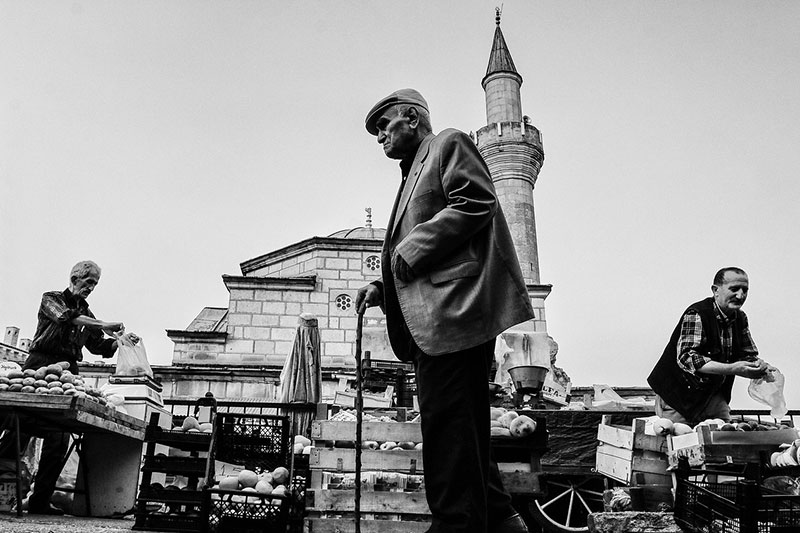
Offering tea to guests is more than tradition—it’s a sign of respect and warmth
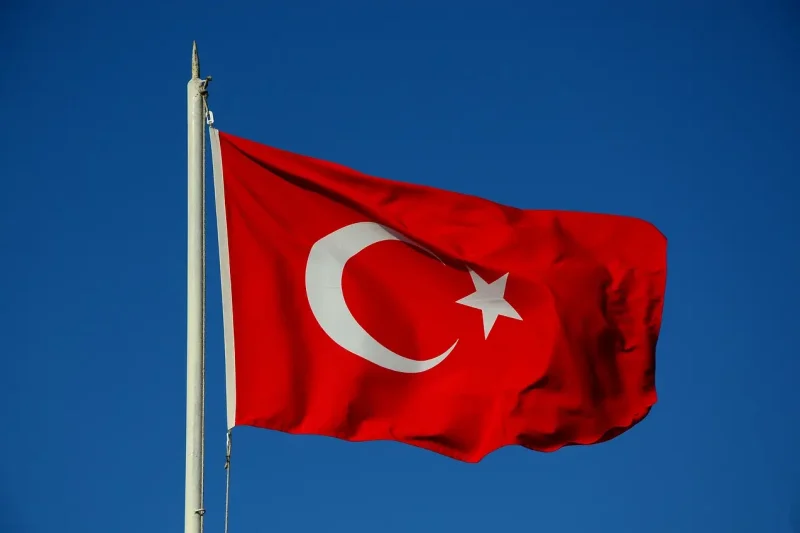
National and religious holidays are widely celebrated with food, parades, and family gatherings
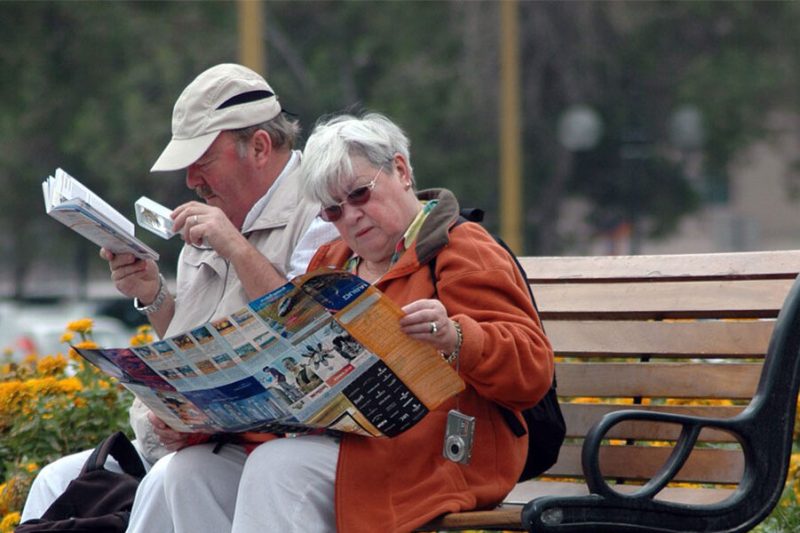
Elders are highly respected; gestures like kissing their hand are still common.
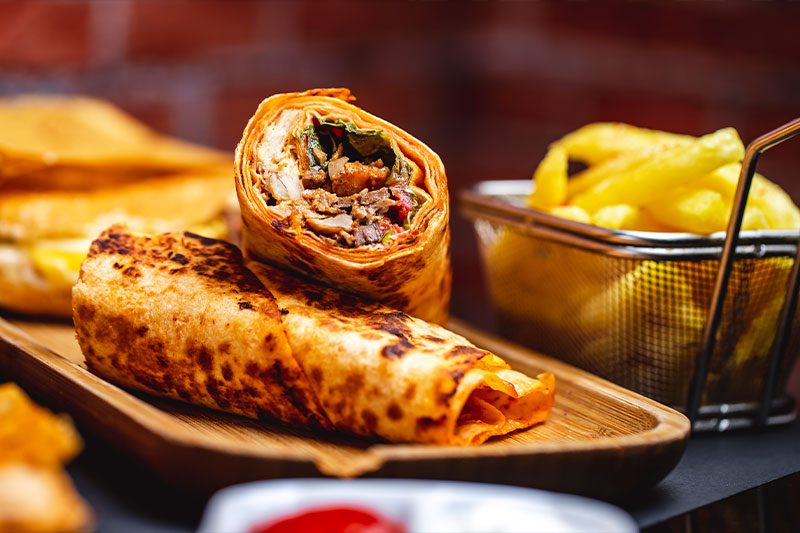
Food is central in Turkish culture—sharing a meal means sharing friendship and trust.
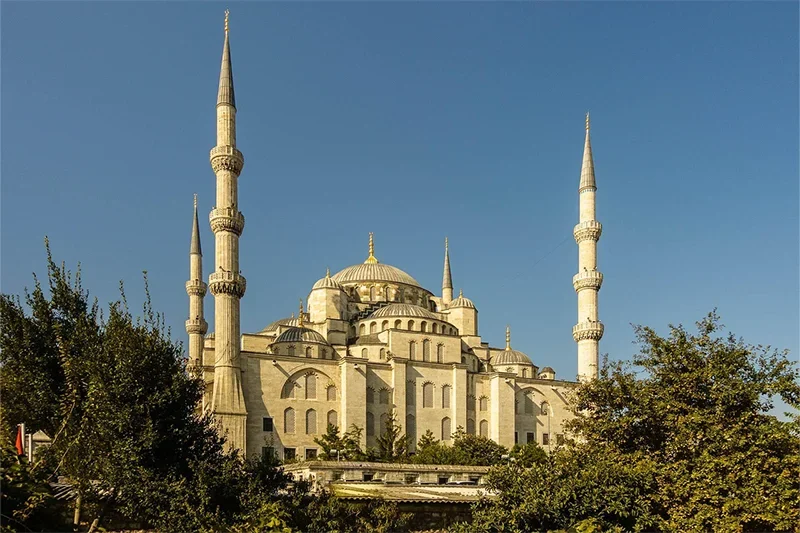
The call to prayer (ezan) echoes five times a day, reminding many of Turkey’s deep spiritual rhythm—even in the heart of modern cities.
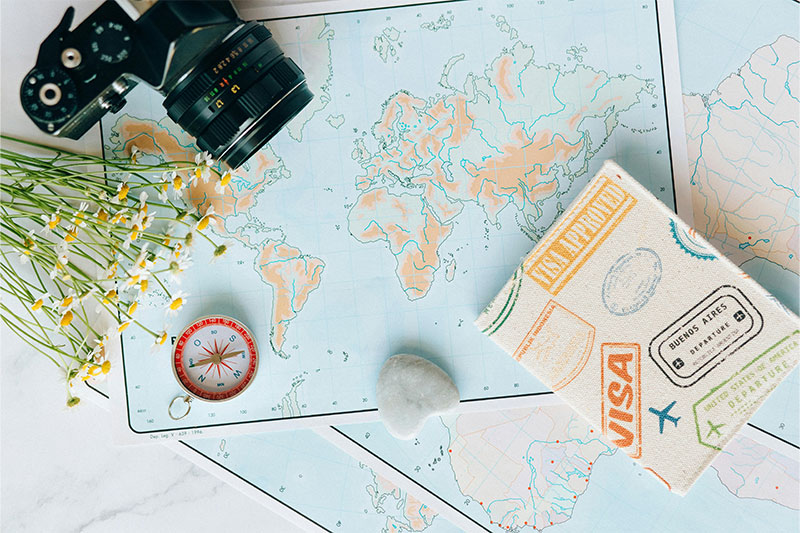
Plan Your Istanbul Journey
Need personalized advice or a tailored itinerary? Reach out for expert guidance to make the most of your Istanbul adventure.
Frequently Asked Questions About Turkish Traditions and Customs– FAQ
Turkish Traditions and Customs?
Hospitality is a core value in Turkish life. Offering food or tea to guests is a sign of honor, respect, and generosity.
What does the Nazar Boncuğu (evil eye) symbolize?
It is believed to protect against negative energy and envy. It’s a common amulet in Turkish homes, jewelry, and gifts.
Are traditional weddings still common in Turkey?
Yes, especially outside major cities. Many Turkish families celebrate engagements, henna nights, and weddings with deep cultural rituals.
What are some daily superstitions in Turkey?
Pouring water behind travelers, using Nazar charms, and giving sweets to guests are common cultural rituals for good luck and safety.
How do Turkish people celebrate spring festivals like Hıdırellez or Nevruz:
These festivals involve dancing, fire rituals, food sharing, and making wishes for health, prosperity, and renewal.
Want to experience Turkey beyond the guidebooks?
Explore our hand-picked cultural guides, local insights, and must-know etiquette tips. → Browse our Travel Culture Section
Get Free Travel AdviceWritten by Ali Rahnama — Local Eco Tour Guide and Travel Storyteller.
Explore my Google Maps contributions •
Discover more at Trip by Ali.