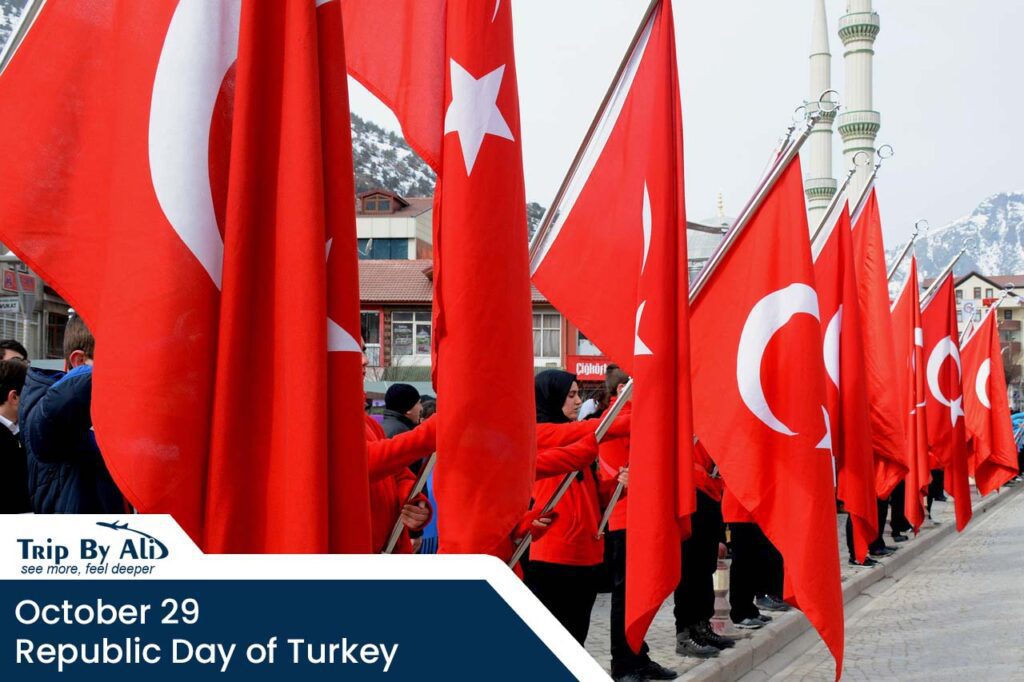
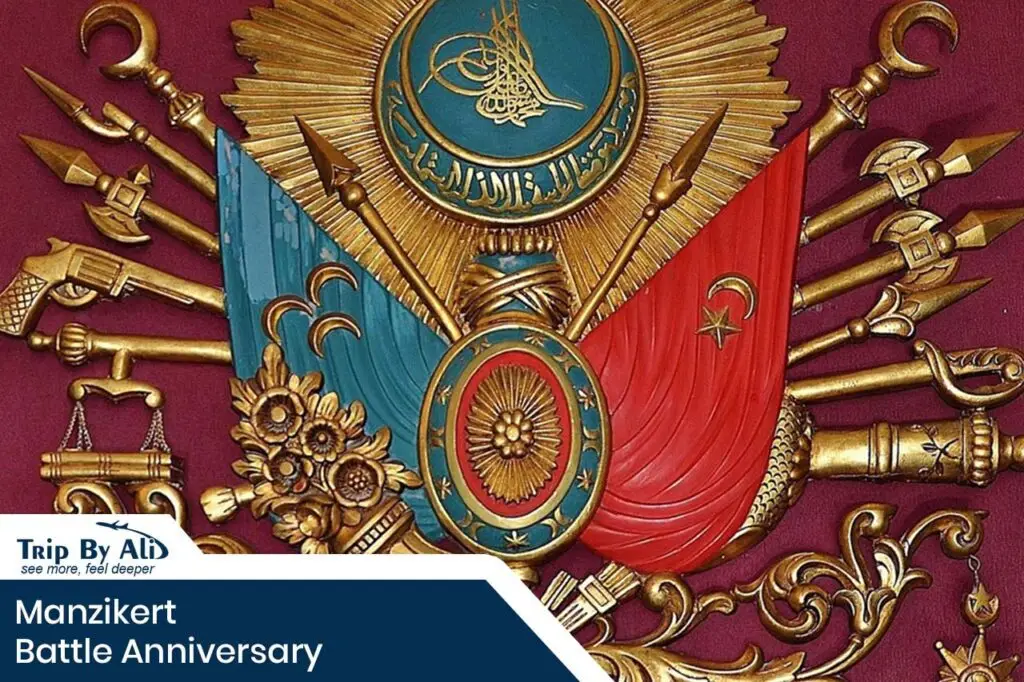
On August 26, 1071, history was rewritten when Sultan Alp Arslan led the Seljuk Turks to a decisive victory over the Byzantine forces under Emperor Romanos IV Diogenes. This pivotal triumph at Manzikert, now known as Malazgirt, cracked open the gateway to Anatolia, paving the way for Turkish settlement and cultural transformation. The ripple effects of this battle extended far beyond the battlefield, sparking centuries-long political, demographic, and religious changes. Today, the anniversary of Manzikert symbolizes Turkish resilience and unity—a moment celebrated nationwide as the dawn of a new era.
Manzikert Battle Overview, Causes & Impact
Who Fought & Why It Started Manzikert Battle
In 1071, plague and internal turmoil had weakened the Byzantine Empire. Emperor Romanos IV, seeking to restore order, marched east to confront incursions from the Seljuk Turks. Sultan Alp Arslan, anticipating conflict, quickly mobilized his forces and awaited the Byzantines near Manzikert. The Byzantine army, comprised of mercenaries, provincial troops, and foreign allies, was fragmented by treachery—some Turkic mercenaries defected during the battle. The ill-fated leadership of Romanos led to a catastrophic defeat.
Manzikert Battle Outcome
Alp Arslan defeated the Byzantines and even took Emperor Romanos captive. Yet, in a gesture of honor, Arslan treated him well and offered favorable peace terms. Romanos was released—but the terms were nullified once he returned to Constantinople, leading to civil strife that further crippled Byzantine control over Anatolia
Aftermath and Significance
The Seljuk victory destabilized the Byzantine Empire, triggering civil wars and allowing Turkish migrations into Anatolia. By 1080, the Seljuks controlled vast territory and laid the foundations of the Sultanate of Rum. This shift ultimately led to the rise of the Ottomans and the emergence of modern Turkey. Manzikert also indirectly triggered the Crusades, with the Byzantines seeking Western aid—a response that reshaped medieval geopolitics.
From Manzikert to Modern Turkey – Discover the Legacy of 1071
Explore Turkey’s Historical Transformations
Want to explore more about Istanbul? Start your journey from the Trip by Ali homepage.
FAQ – Manzikert Explained
Q1: Why was the Battle of Manzikert so crucial for Anatolia?
It marked the beginning of Turkish dominion in the region, effectively opening Anatolia to Seljuk settlement and undermining Byzantine authority forever.
Q2: Who led the Seljuk and Byzantine forces?
Sultan Alp Arslan led the Seljuks; Emperor Romanos IV Diogenes commanded the Byzantines.
Q3: What were the long-term effects of the battle?
Manzikert initiated Turkish political dominance, sparked the decline of Byzantium, paved the way for the Crusades, and influenced the rise of the Ottoman Empire.
Q4: Is the battle still commemorated today?
Yes, Turkey holds ceremonies at Manzikert and Ahlat, attended by high officials, remembrance marches, traditional performances, and cultural events.
Q5: How long after the battle did the First Crusade begin?
The First Crusade was initiated in 1095—about 24 years later—largely in response to Byzantine appeals for military support.
Manzikert: A Victory That Changed Our Homeland – Reflect, Remember, and Explore
Dive Into Turkish History
Written by Ali Rahnama — Local Eco Tour Guide and Travel Storyteller.
Explore my Google Maps contributions •
Discover more at Trip by Ali.