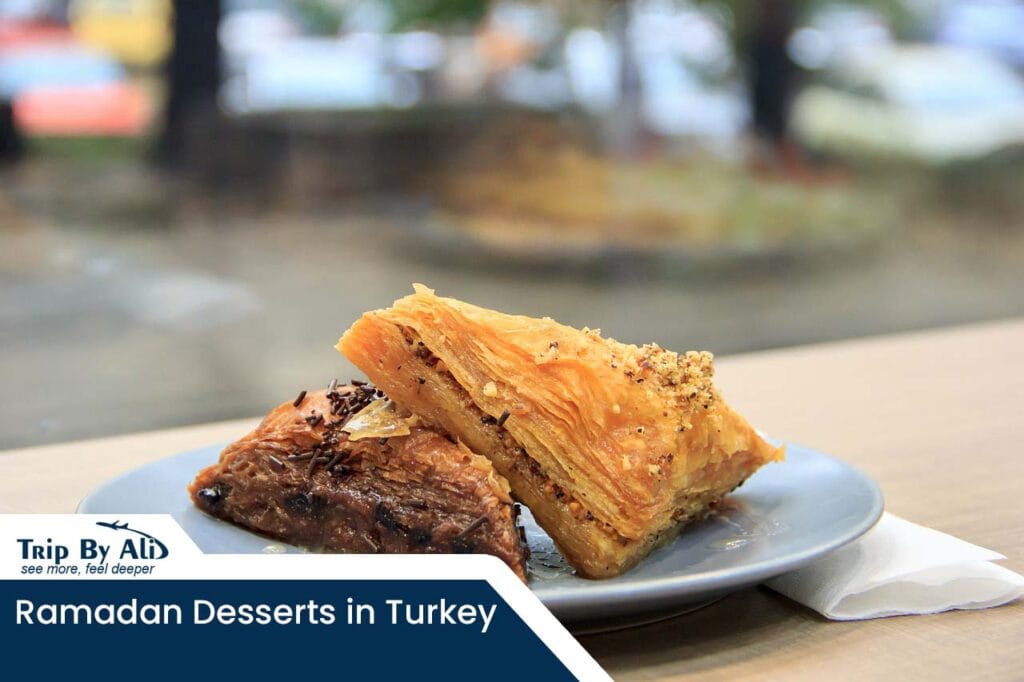
Ramadan desserts in Turkey are not just a finishing touch after iftar; they are part of the season’s identity. As the pace of the day slows and evenings become social and lively, families and friends gather around tables where sweets carry tradition, hospitality, and memory. Ramadan desserts in Turkey often feel more present and more meaningful during this month because people share them in groups, offer them to guests, and connect them with specific nights and rituals. For travelers, tasting these desserts becomes a direct way to understand how Turkey celebrates Ramadan through food, generosity, and community.
Many desserts served during Ramadan in Turkey reflect Ottoman culinary heritage, regional ingredients, and a long-standing love of syrup, nuts, and dairy. However, the experience is not only about flavor. It is also about timing, atmosphere, and place. Desserts appear right after iftar, during late-night walks, and sometimes after taraweeh prayers, which turns the whole evening into a slow, sweet journey through neighborhoods and markets.
Why Desserts Become Central During Ramadan in Turkey
Desserts take on a deeper meaning during Ramadan in Turkey because iftar is more than a simple meal; it becomes a daily gathering that blends celebration, tradition, and social connection. Families often begin with lighter dishes, but sweets arrive as the moment that completes the evening and brings people together. Sharing desserts with guests, sending boxes to neighbors, and choosing special pastries from local bakeries all reflect how food becomes part of a wider cultural rhythm rather than just a culinary choice.
At the same time, Ramadan desserts are closely tied to the broader atmosphere of the holy month. Evening walks, public gatherings, and late-night visits naturally lead people toward cafés and dessert shops, turning neighborhoods into lively social spaces. This connection shows that sweets are only one part of a larger seasonal experience, and many visitors who explore Ramadan food culture eventually look toward the wider Ramadan in Turkey travel guide to understand how traditions, social life, and cultural practices shape the full rhythm of the month.
The Classics You Will See on Most Iftar Tables
During iftar in Turkey, desserts often appear as a natural continuation of the meal rather than a separate late-night tradition. After the first courses and main dishes, many tables include syrup-based pastries that reflect the country’s long-standing love for rich textures and nut-filled sweets. Freshly prepared trays of baklava or similar pastries are commonly shared with guests, turning the final moments of iftar into a warm social ritual centered around tea and conversation.
At the same time, lighter milk-based desserts frequently accompany iftar because they feel refreshing after a full meal. Chilled sweets with subtle flavors such as rice, vanilla, or caramelized tops help balance the heavier dishes served earlier. These desserts are not only part of the culinary tradition but also a visual element of the iftar table, showing how Turkish families combine flavor, hospitality, and seasonal customs during Ramadan evenings.
Regional Flavors and the Role of Local Ingredients
Ramadan desserts in Turkey vary by region, because local ingredients shape local traditions. In some areas, pistachio becomes the main character, while in others, walnuts take center stage. Coastal regions may favor lighter textures, while inland traditions often lean toward heavier syrup desserts that suit colder evenings. These variations matter for travelers, because they turn dessert tasting into a geographic experience. A sweet you find in one city might taste different in another, even if it shares the same name.
This regional diversity also connects desserts to local identity. People do not only buy a dessert because it tastes good; they buy it because it represents where they come from or where they live. When travelers pay attention to these differences, they understand why Ramadan desserts in Turkey remain emotionally important, not just delicious.
Discover More Ramadan Food Culture in Turkey
Explore seasonal traditions, iftar routines, and the evening atmosphere that makes Ramadan nights unforgettable.
Iconic Turkish Desserts Served During Ramadan
Ramadan desserts in Turkey are closely tied to some of the country’s most iconic sweets, many of which appear on tables throughout the year but gain special importance during the holy month. Desserts such as baklava, prepared with layers of thin pastry and nuts soaked in syrup, become symbols of celebration and generosity during iftar nights. Güllaç, a lighter milk-based dessert traditionally served only during Ramadan, reflects the seasonal character of the month and is often associated with family gatherings and late-night conversations.
Other well-known desserts include sütlaç, a rice pudding with a caramelized top, and kadayıf varieties filled with nuts and soaked in syrup. These desserts are not only enjoyed for their taste but also for the memories and traditions they carry. Exploring these sweets opens the door to a deeper understanding of Turkish culinary culture, which is why many travelers choose to explore traditional Turkish desserts and sweets as part of their Ramadan experience.
Where to Try Ramadan Desserts in Turkey
The best way to explore Ramadan desserts in Turkey is to match the dessert to the setting. Traditional patisseries provide classic quality and consistent recipes that families trust year after year. Street vendors offer quick seasonal bites that feel connected to Ramadan nights, especially when you eat them during an evening walk. Restaurants often present desserts in a more curated way, which suits travelers who want to combine iftar dining with a dessert experience in one place.
In Istanbul, dessert culture becomes even more layered. Neighborhoods differ in style, and dessert places range from deeply traditional to modern and experimental. This makes it easy to build a full evening route that begins with iftar, continues with dessert sampling, and ends with tea. This naturally connects to iftar traditions in Istanbul, where food culture and neighborhood life shape the Ramadan experience.
Even beyond iftar tables and dessert stops, Ramadan evenings in Istanbul often extend into casual walks through lively streets where visitors can explore a wider range of local flavors. Small vendors and neighborhood stalls offer simple bites that complement the sweetness of traditional desserts, creating a balanced food experience that reflects everyday city life. For those who want to discover more than just Ramadan-specific dishes, exploring Istanbul street food culture and local night snacks allows travelers to see how seasonal traditions blend naturally with the city’s broader culinary scene.
How to Enjoy Ramadan Desserts Like a Local
To enjoy Ramadan desserts in Turkey the local way, timing matters. People often buy desserts close to iftar time for freshness, or later at night when they meet friends and family. Sharing is also essential. Locals rarely buy one small portion only for themselves; they buy enough to share, or they choose a selection so everyone can taste something different. This is why dessert boxes and mixed trays are so popular during Ramadan.
Balance also matters. Many locals pair syrup desserts with tea, while milk desserts often follow fruit or lighter flavors. If you try multiple sweets in one night, mixing textures helps. You can start with a lighter dairy dessert and finish with a small portion of syrup pastry rather than the other way around. This approach keeps the experience enjoyable and avoids dessert fatigue, which is very real when Turkish syrup desserts appear in full force.
Want to explore more about Istanbul? Start your journey from the Trip by Ali homepage.
FAQ – Ramadan Desserts in Turkey
Are Ramadan desserts in Turkey different from desserts served in other months?
Many classics appear year-round, but Ramadan increases variety, freshness, and cultural importance, especially during iftar nights.
Are milk-based desserts common during Ramadan in Turkey?
Yes. Many families prefer milk desserts after iftar because they feel lighter and work well with long evening gatherings.
Do people buy desserts only for iftar?
Not only. Many people also eat desserts later at night while visiting friends, walking in public squares, or after evening prayers.
Is it easy for travelers to find Ramadan desserts in Turkey?
Yes. Bakeries, patisseries, and restaurants widely offer seasonal sweets, especially in major cities and busy neighborhoods.
What is the best way to try several desserts without overeating?
Share portions, choose small servings, and mix lighter dairy desserts with small portions of syrup pastries.
Plan Your Ramadan Nights in Turkey
Find seasonal food guides, cultural tips, and travel ideas for experiencing Ramadan across Turkey.
Written by Ali Rahnama — Local Eco Tour Guide and Travel Storyteller.
Explore my Google Maps contributions •
Discover more at Trip by Ali.