

Explore the Majesty of Topkapi Palace in the Heart of Istanbul
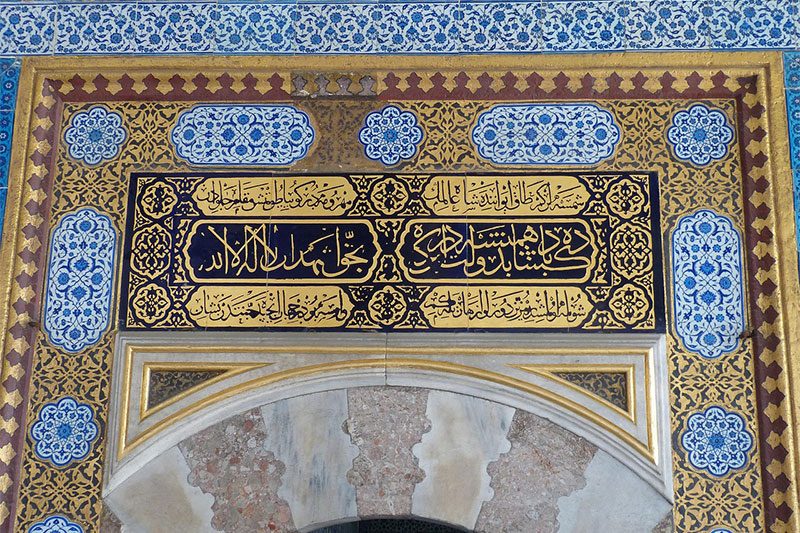
Where the grand vizier and top officials gathered to discuss matters of the empire (Topkapi Palace)—decorated with stunning Iznik tiles and Ottoman calligraphy. Perched atop Istanbul’s historic peninsula with sweeping views of the Bosphorus, the Topkapi Palace is more than just a building—it’s a journey into the heart of the Ottoman Empire. For nearly 400 years, this grand complex served as the administrative center, royal residence, and spiritual nucleus of one of history’s greatest empires. Today, it’s one of Turkey’s most visited museums, showcasing imperial treasures, sacred relics, and timeless architecture.
Fast Facts: Topkapi Palace
Construction Initiated: 1459 by Sultan Mehmed II
Primary Function: Residence and administrative center for Ottoman sultans (1465–1856)
UNESCO World Heritage Site: Designated in 1985
Complex Size: Approximately 700,000 square meters
Number of Courtyards: Four main courtyards
Notable Collections: Islamic relics, imperial treasures, Chinese porcelain, Ottoman miniatures
Famous Artifacts: Spoonmaker’s Diamond, Topkapi Dagger
Harem Residents: Up to 300 concubines during peak periods
Visitor Hours: Open Wednesday to Monday, 9:00 AM – 6:00 PM; closed on Tuesdays
Location: Adjacent to Hagia Sophia in Istanbul
A Brief History of Topkapi Palace
Origins and Early Construction
Commissioned by Sultan Mehmed II shortly after the conquest of Constantinople in 1453, Topkapi Palace was designed to be both a seat of government and a royal residence. Constructed on the historic Sarayburnu Peninsula, the site was chosen for its strategic location overlooking the Golden Horn, Bosphorus, and Sea of Marmara.
Role During the Ottoman Empire
Topkapi Palace served as the political heart of the empire for over 380 years. It housed not only the sultans but also their families, concubines, advisors, and thousands of servants. It was where major political decisions were made, and imperial ceremonies took place.
Chronology of Topkapi Palace
- 1459: Construction initiated by Sultan Mehmed II.
- 1478: Palace becomes the official residence of the sultans.
- 1856: Administrative functions moved to Dolmabahçe Palace.
- 1924: Converted into a museum accessible to the public.
What to See Inside Topkapi Palace Today
The Imperial Harem – Secrets Behind Closed Doors in the Topkapi palace
A labyrinth of 300 rooms, the Harem offers a glimpse into the private lives of sultans and their families. While it once was hidden from public view, it is now one of the most visited sections.One of the palace’s most fascinating sections, the Imperial Harem at Topkapi Palace housed the sultan’s mother, wives, concubines, and eunuchs. Lavishly decorated, yet mysterious, this section reveals the complex social structure of royal life.
The Harem at Topkapi Palace offers a fascinating glimpse into the private world of the Ottoman sultans. Hidden behind elaborately decorated doors and guarded halls, this section was home to the sultan’s mother (Valide Sultan), wives, concubines, and children — forming a world governed by complex rules, hierarchy, and intrigue.
Richly adorned with Iznik tiles, stained glass windows, golden latticework, and marble fountains, the Harem was not only a living space but also a symbol of royal prestige and political power. Guided tours today reveal how the daily life of the women unfolded behind closed doors, shedding light on the influential roles of figures like the Valide Sultan, who often held immense political sway.
Imperial Council Chamber
The Imperial Council Chamber, known in Turkish as Divan-ı Hümayun, was the executive heart of the Ottoman Empire, where grand viziers and high-ranking officials met to discuss matters of state. Situated in the second courtyard of Topkapi Palace, this historic chamber served as the venue for important governmental meetings, including decisions about diplomacy, warfare, justice, and internal administration.
The sultan himself did not attend these meetings directly but would secretly listen through a grille from an adjacent room above, symbolizing both oversight and divine presence. The chamber reflects the architectural elegance of the classical Ottoman era, with intricate tilework and calligraphy that emphasize its ceremonial importance.
Visiting this room offers a glimpse into the political life of the empire and the administrative genius that helped shape centuries of Ottoman rule
Imperial Treasury – Sultan’s Jewels Room (Hazîne-i Hümâyûn)
Home to the Topkapi Dagger and the Spoonmaker’s Diamond, this section dazzles with one of the world’s richest collections of jewels and ornaments.
The Imperial Treasury of Topkapi Palace, known as Hazîne-i Hümâyûn, is one of the most breathtaking sections of the palace, showcasing the opulence and grandeur of the Ottoman Empire. Housed within a series of rooms inside the Third Courtyard, this section contains an extraordinary collection of royal jewels, precious objects, and sacred relics, accumulated over centuries.
Among the most iconic items are the Topkapi Dagger, encrusted with emeralds and known for its exquisite craftsmanship, and the legendary Spoonmaker’s Diamond (Kaşıkçı Elması) — an 86-carat teardrop-shaped diamond that is among the largest in the world. Visitors can also view intricately decorated golden thrones, ceremonial swords, and jeweled helmets used by the sultans during imperial occasions.
This treasury not only displays immense material wealth but also offers insight into the political power, religious devotion, and artistic sensibilities of the empire. Each item tells a story — of diplomatic gifts, conquests, or reverence — making the Jewel Room one of the most fascinating destinations for visitors exploring Ottoman heritage.
Sacred Relics Pavilion - The sacred treasure in the heart of the Ottoman Empire
Located in the Fourth Courtyard of Topkapi Palace, the Sacred Relics Pavilion (also known as the Pavilion of the Holy Mantle) holds one of Islam’s most revered collections of religious artifacts. These include items believed to belong to Prophet Muhammad, such as his mantle (Hırka-i Şerif), his sword, a letter, beard hair, and even his footprints preserved in stone.
Ottoman sultans considered themselves protectors of the Islamic faith, and this pavilion symbolized their spiritual authority. The sacred items are displayed in richly adorned rooms, and Qur’anic recitation has continuously echoed here since the 16th century — a tradition still maintained today.
Visitors experience both spiritual reverence and historical wonder, making it a must-see spot for those interested in Islamic heritage and Ottoman religious history.
Aya Irini (Hagia Irene)-The Silent Church of Topkapi Palace
Tucked near the entrance of Topkapi Palace lies Aya Irini (Hagia Irene), one of the oldest surviving churches in Istanbul. Unlike Hagia Sophia, this 4th-century Byzantine church was never converted into a mosque and remains a unique testimony to Constantinople’s early Christian history.
Today, it is used primarily as a concert and cultural venue, valued for its exceptional acoustics and raw, untouched architecture. Aya Irini’s domeless roof, large nave, and faded frescoes transport visitors to a time before Ottoman grandeur took over the skyline.
Though it is often overshadowed by the palace itself, Aya Irini is a treasure for history lovers and architecture enthusiasts looking for a quieter yet profound experience within the palace grounds.
Courtyards and Gardens
Each courtyard tells a story—from the grand welcoming space of the First Courtyard to the tranquil inner gardens of the Fourth Courtyard.
First Courtyard – The Imperial Gate (Bab-ı Hümayun)
Your journey begins at the Imperial Gate, a tall stone archway leading to lush gardens and Hagia Irene—an ancient church later used as an arsenal.
Second Courtyard – The Administrative Heart
Here you’ll find the Imperial Council Chamber, the palace kitchens (which served over 4,000 people daily), and the entrance to the infamous Harem. Marble fountains and Ottoman calligraphy guide your path.
Third Courtyard – Inner Sanctum of Power
This space includes the Audience Hall, the Library of Ahmed III, and the Sacred Relics Chamber—where artifacts attributed to Prophet Muhammad, including his mantle and sword, are preserved.
Fourth Courtyard – Gardens, Views & Tranquility
A more relaxed area with flower gardens, pavilions, and stunning views of the Bosphorus. Don’t miss the Baghdad Pavilion and the Circumcision Room, decorated in exquisite Iznik tiles.
Tiled Kiosk (Çinili Köşk) – A Hidden Gem of Ottoman Tile Art
Located within the outer grounds of Topkapi Palace, the Tiled Kiosk (known in Turkish as Çinili Köşk) is one of the oldest surviving buildings in the complex. Commissioned by Sultan Mehmed II in 1472, this elegant pavilion reflects a unique blend of Seljuk, Persian, and early Ottoman architecture. With its distinctive turquoise and cobalt tiles, it offers a glimpse into the refined aesthetic of 15th-century imperial design.
Originally built as a pleasure pavilion for the sultans, the Tiled Kiosk is characterized by its symmetrical structure, vaulted ceilings, and intricate tile decorations, both inside and outside. The façade features a harmonious combination of stone, brick, and glazed tiles, while the interior is adorned with Iznik tiles and floral motifs that demonstrate the pinnacle of Ottoman craftsmanship.
Today, the Tiled Kiosk functions as part of the Istanbul Archaeology Museums, specifically housing the Museum of Islamic Ceramics. It contains an extensive collection of Ottoman, Seljuk, and Islamic tilework and ceramics, making it a must-visit for art lovers and history enthusiasts alike.
Though it lies slightly apart from the main palace buildings, the Tiled Kiosk is a serene and fascinating stop that highlights the artistic heritage of the Ottoman Empire. Its serene setting and decorative excellence make it one of the hidden gems of Topkapi Palace.
Architectural Marvels of Topkapi Palace
- Gate of Salutation: Main entrance leading to the Second Courtyard.
- Gate of Felicity: Entrance to the Third Courtyard, symbolizing the sultan’s authority.
- Privy Chamber: Houses the Sacred Relics and showcases intricate Ottoman design.
Various attractive museums
There are various museums in different parts of this palace. From the museum of watches, jewelry and weapons to the museum of cooking utensils and clothing, there are many museums in this area.
Topkapi can easily eat up half your day — or be rushed in an hour.
Want to know which halls are truly worth it and when to go?
🎯 I’ll help you make the most of your visit without missing the hidden highlights
Visitor Information: Hours, Tickets & Tips
Opening Hours
Summer Season (April 1 – October 31): 09:00 AM – 06:30 PM
Winter Season (November 1 – March 31): 09:00 AM – 04:30 PM
Last entrance: One hour before closing time
Closed on: Tuesdays, May 1, the first day of Ramadan, and the first day of Eid al-Adha
Ticket Prices (as of 2025)
Current ticket prices start at around €60 in spring 2025. Regular tickets and multi-use tickets can be purchased and reserved. You can also buy tickets online to save time or use museum cards.
Children under 6 years old: Free entry (Valid ID required)
International students: Special discounts available (with valid student ID)
Ticket prices may vary depending on the season. We recommend checking the official website before your visit
Location & Access
Address: Cankurtaran, 34122 Fatih/İstanbul, Türkiye. Topkapi Palace is located in Sultanahmet, the historical heart of Istanbul.
- Nearest Tram Station: Gülhane or Sultanahmet Station (T1 Line)
It’s within walking distance of Hagia Sophia, Blue Mosque, and Basilica Cistern.
Travel Tips for Visitors
Allocate at least 2–3 hours for your visit
Wear comfortable shoes – expect lots of walking
Some areas are not wheelchair-accessible
Online ticket purchase: Recommended to avoid long queues. Use the official website or trusted ticketing platforms.
Best Time to Visit: Early mornings on weekdays to avoid crowds.
Audio guides: Available in multiple languages for a more immersive experience.
Dress code: As the complex includes sacred and historic spaces, comfortable and respectful clothing is advised.
Photography: Allowed in most areas, but flash photography is prohibited.
- Facilities: On-site cafes and restrooms are available.
Fascinating Facts About Topkapi Palace
Over 4,000 people lived and worked in the palace at its peak
The palace spans over 700,000 square meters
- The palace once had over 1,000 rooms, though only a fraction are open today.
It attracts nearly 3 million visitors per year
The Spoonmaker’s Diamond weighs 86 carats
- The Topkapi Dagger, encrusted with emeralds, is one of the most famous artifacts.
- Its name means “Cannon Gate”, referring to a now-lost seaside gate near the complex.
- Many scenes from historical dramas were filmed here
More Palaces to Discover in Istanbul
While Topkapi Palace is a must-see, Istanbul is also home to other stunning palaces that showcase the city’s rich imperial heritage.
Explore more Istanbul palaces here
Want to explore more? Start your journey from the Trip by Ali homepage.
Highlights You Shouldn't Miss About Topkapi Palace
In case you missed any section, here are the highlights and essential info to help you quickly navigate.
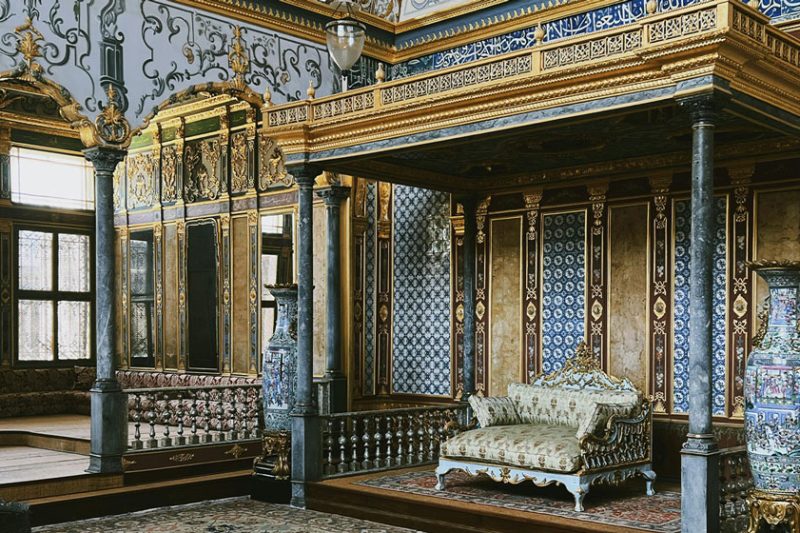
Discover the private quarters of the sultans and their families, showcasing opulent architecture and rich history.
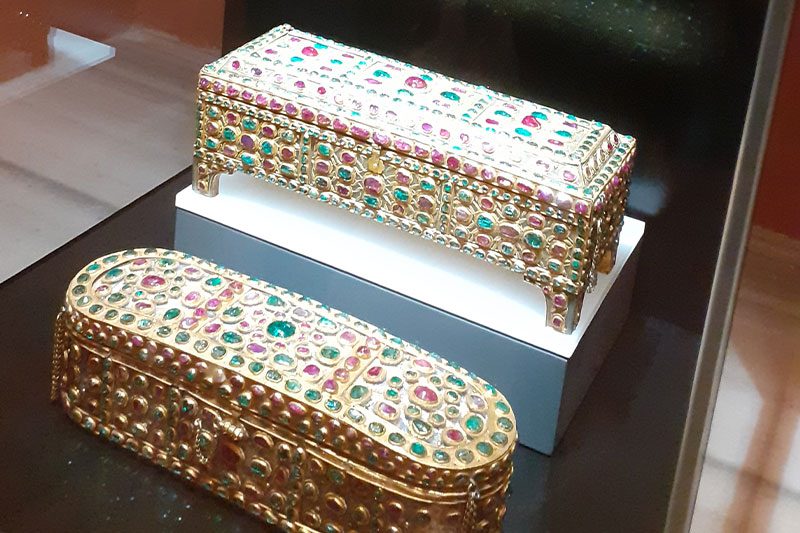
Home to priceless artifacts, including the famed Spoonmaker’s Diamond and Topkapi Dagger.
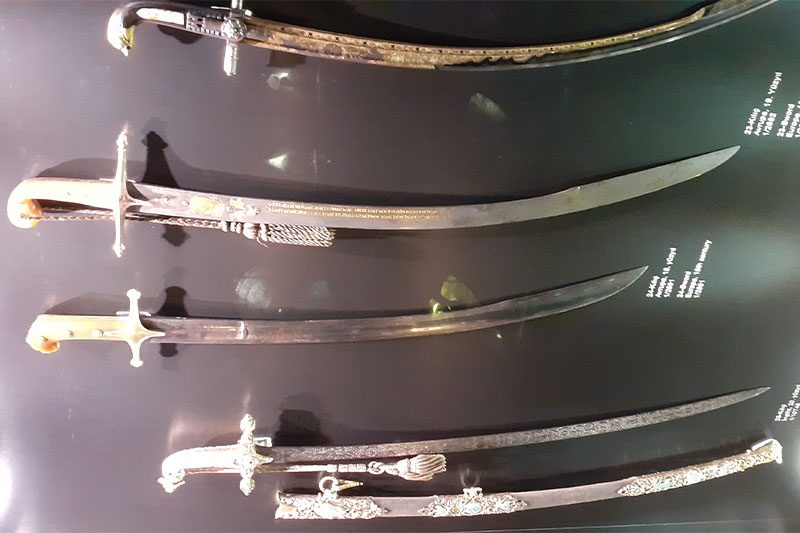
Houses significant Islamic relics, such as Prophet Muhammad’s belongings and other sacred items.
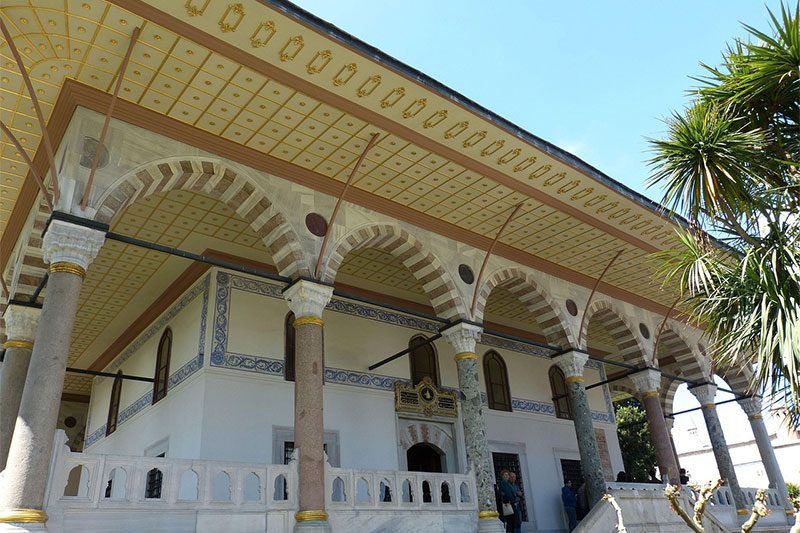
The administrative heart where state affairs were conducted during the Ottoman era.
A pavilion adorned with exquisite Iznik tiles, reflecting the artistic heritage of the empire.

Personalized Travel Advice
Need assistance planning your visit? Get tailored recommendations from a local expert.
Frequently Asked Questions About Topkapi Palace– FAQ
Do I need a ticket to enter Topkapi Palace?
Yes, entry requires a ticket. Separate tickets are needed for the Harem and Hagia Irene sections.
Where can I purchase tickets?
Tickets are available at the palace entrance or online through the official website and authorized resellers.
What are the opening hours?
The palace is open from 9:00 AM to 6:00 PM, Wednesday through Monday. Last entry is at 5:00 PM. Closed on Tuesdays.
Is the palace accessible for wheelchair users?
The main entrance is wheelchair-accessible. However, some areas have uneven terrain and stairs, which may be challenging.
Can I re-enter the palace after exiting?
No, re-entry is not permitted on the same ticket once you exit.
Are guided tours available?
Yes, guided tours are offered on-site and can also be booked online in advance.
Turn Your Travel Dreams into a Tailored Reality
Let’s craft your perfect Istanbul journey – one that matches your interests, pace, and budget.
Get Free Travel AdviceWritten by Ali Rahnama — Local Eco Tour Guide and Travel Storyteller.
Explore my Google Maps contributions •
Discover more at Trip by Ali.