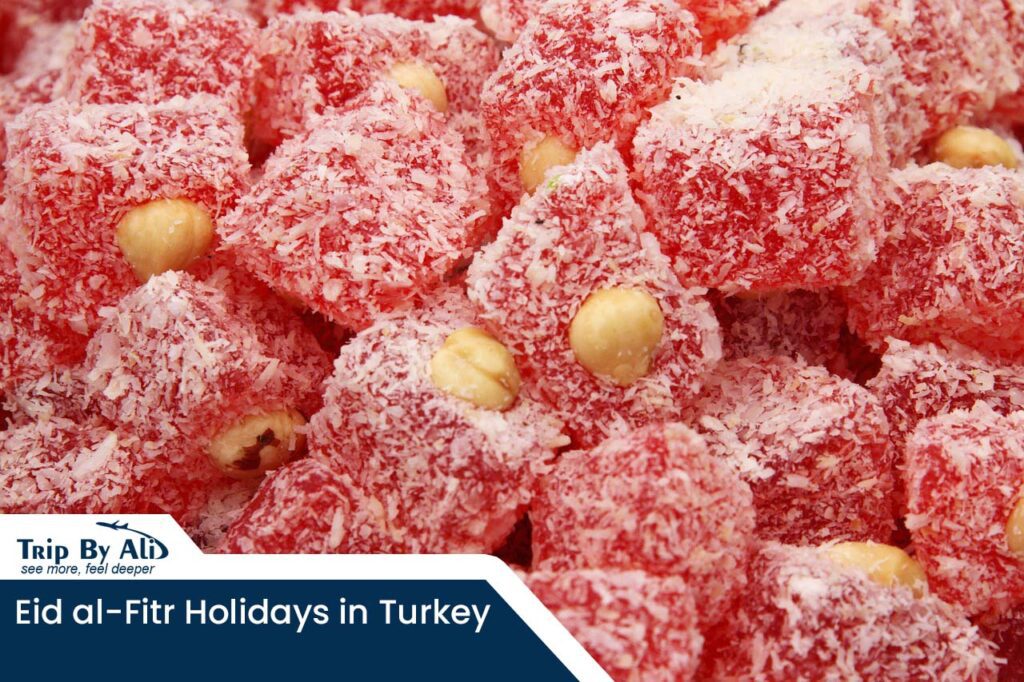
Eid al-Fitr holidays in Turkey mark the joyful conclusion of Ramadan and represent one of the most important cultural and religious periods of the year. Known locally as Ramazan Bayramı (Şeker Bayramı) in Turkish culture, this celebration transforms daily life across the country, bringing families together and filling cities with a festive atmosphere. For travelers, Eid al-Fitr holidays in Turkey offer a unique opportunity to witness living traditions, public celebrations, and social customs that extend far beyond formal religious observance.
Unlike Ramadan, which unfolds gradually over an entire month, Eid al-Fitr arrives with immediate energy. Streets become livelier, travel increases, and social visits begin early in the morning. Understanding the rhythm and meaning of this holiday helps visitors experience Turkey during one of its most emotionally significant and socially active periods.
What Eid al-Fitr Represents in Turkish Culture
Eid al-Fitr in Turkey symbolizes renewal, gratitude, and reconnection. After a month of fasting, reflection, and community focus, the holiday begins with morning prayers and continues with family gatherings, visits, and shared meals. These traditions emphasize forgiveness, generosity, and social harmony, values that are deeply embedded in Turkish culture.
During Eid al-Fitr holidays in Turkey, respect for elders becomes especially visible. Younger family members visit older relatives, offer greetings, and often receive sweets or small gifts in return. This ritual reinforces intergenerational bonds and preserves long-standing social structures that define family life in Turkey.
Public Holidays and Daily Life During Eid al-Fitr
Eid al-Fitr holidays in Turkey are officially recognized public holidays, typically lasting several days. During this time, government offices, banks, and many businesses remain closed or operate on reduced schedules. This pause in official activity encourages travel and social visits, resulting in a noticeable shift in daily routines.
While some shops and restaurants may close temporarily, especially on the first day of Eid, many businesses in tourist areas reopen quickly to accommodate visitors. Public transportation usually continues to operate, though schedules may vary. Travelers who plan ahead can navigate these changes smoothly and enjoy the celebratory atmosphere without disruption.
Family Visits, Sweets, and Social Traditions
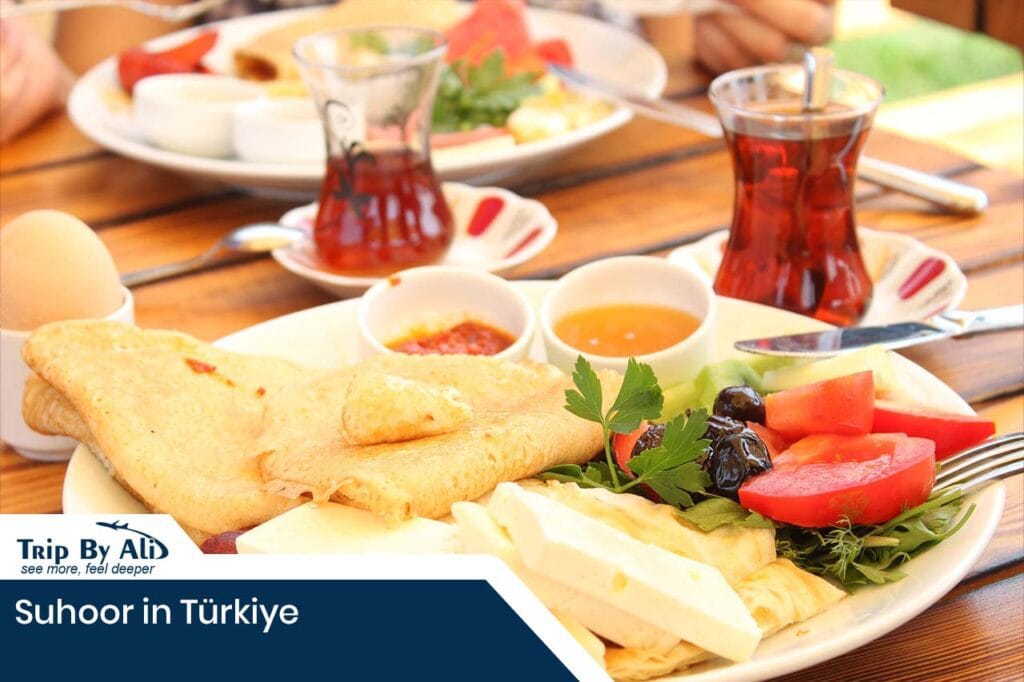
One of the defining features of Eid al-Fitr holidays in Turkey is the tradition of visiting relatives and neighbors. Homes are cleaned in advance, special meals are prepared, and guests are welcomed throughout the day. Sweets play a central role, with desserts offered as a symbol of joy and hospitality.
Children often receive candy, chocolate, or small amounts of money, which adds a playful dimension to the holiday. This emphasis on generosity and sharing makes Eid al-Fitr holidays in Turkey particularly warm and inclusive, even for visitors who may not share the religious background.
Sweet Traditions and Dessert Culture During Eid al-Fitr in Turkey
During Eid al-Fitr in Turkey, desserts and traditional sweets take center stage as families welcome guests and celebrate the festive atmosphere. Sharing trays of pastries, chocolate boxes, and homemade treats becomes part of the social ritual, symbolizing hospitality and joy after the holy month of Ramadan. Among all sweets, baklava stands out as one of the most recognizable flavors of the holiday, often prepared in advance or purchased from local bakeries to serve alongside tea during family visits.
The first day of Eid is especially known for offering desserts to visitors who stop by to exchange greetings, making sweet tables a defining feature of the celebration. From syrup pastries to lighter milk-based treats, these flavors reflect both tradition and regional variety across the country. Travelers who want to explore this culinary side of the holiday can discover more through traditional Turkish desserts and sweets guide, where seasonal favorites and classic recipes reveal how dessert culture becomes an essential part of Eid celebrations in Turkey.
Travel Patterns and Tourism During Eid al-Fitr
Eid al-Fitr holidays in Turkey are among the busiest travel periods of the year. Many residents use the extended holiday to visit hometowns or take short vacations, leading to increased demand for transportation and accommodation. Coastal destinations, cultural cities, and resort areas often experience high occupancy during this time.
For international visitors, this creates both challenges and opportunities. While crowds may increase in popular destinations, the festive atmosphere adds cultural depth to the travel experience. Understanding travel during Eid al-Fitr in Turkey allows visitors to plan routes, accommodations, and activities more effectively.
Experience Turkey During Eid al-Fitr
Discover how celebration, family traditions, and travel shape one of Turkey’s most important holidays.
Eid al-Fitr in Cities Versus Smaller Towns
The way Eid al-Fitr holidays in Turkey are experienced can vary depending on location. In large cities, celebrations unfold through family gatherings, restaurant visits, and public spaces that gradually fill with people. While the city pace slows in the morning, afternoons and evenings become lively with social activity.
In smaller towns and villages, the holiday often feels more intimate. Community ties are stronger, and visitors may notice more personal interactions, traditional greetings, and shared meals. Both settings offer valuable perspectives, allowing travelers to choose between vibrant urban celebrations or quieter, tradition-focused environments.
What Visitors Should Know Before Traveling During Eid al-Fitr
Visitors traveling during Eid al-Fitr holidays in Turkey benefit from understanding a few cultural expectations. Greeting people politely, accepting offered sweets, and showing patience during busy travel periods go a long way in creating positive interactions. Modest dress remains appreciated, especially when visiting family homes or religious sites.
Although the holiday is deeply rooted in religious tradition, visitors are not expected to participate in rituals. Observing respectfully and engaging socially when invited allows travelers to experience Eid al-Fitr holidays in Turkey in an authentic yet comfortable way.
How Eid al-Fitr Completes the Ramadan Experience
Eid al-Fitr holidays in Turkey serve as the emotional and cultural conclusion to the Ramadan season. While Ramadan focuses on fasting, reflection, and night-time social life, Eid centers on celebration, reunion, and movement. For travelers who experience both periods, the contrast provides a complete picture of how faith, culture, and daily life intersect in Turkey.
This connection makes Eid al-Fitr an essential part of any broader exploration of Ramadan in Turkey travel experiences, offering closure, joy, and cultural continuity.
Eid al-Fitr Celebrations and Seasonal Tourism in Turkey
Eid al-Fitr in Turkey brings a festive atmosphere filled with family visits, public celebrations, and vibrant social energy. Streets become livelier as people gather to celebrate, exchange sweets, and enjoy the beginning of a new season. The holiday reflects a strong sense of community, where traditions such as visiting relatives and sharing desserts shape the cultural identity of the celebration.
During this period, many travelers explore the country while experiencing the festive mood that spreads through cities and towns. Visiting cultural sites, waterfront promenades, and historic neighborhoods during Eid adds a different perspective to sightseeing. Combining holiday celebrations with visits to Istanbul sightseeing and cultural landmarks guide or exploring top cultural attractions across Turkey travel routes allows visitors to enjoy both the spirit of Eid and the country’s broader tourism experiences.
Want to explore more about Istanbul? Start your journey from the Trip by Ali homepage.
FAQ – Eid al-Fitr Holidays in Turkey
How long do Eid al-Fitr holidays last in Turkey?
The holiday usually lasts several days and is officially recognized as a public holiday.
Do shops and restaurants close during Eid al-Fitr?
Some close on the first day, but many reopen quickly, especially in tourist areas.
Is Eid al-Fitr a good time to visit Turkey?
Yes, especially for travelers interested in cultural experiences, though popular destinations may be busier.
Can non-Muslim visitors participate in Eid traditions?
Visitors are welcome to observe and respectfully join social activities when invited.
Does travel become more expensive during Eid al-Fitr?
Prices may increase due to high demand, so early planning is recommended.
Plan Your Trip Around Eid al-Fitr in Turkey
Get seasonal travel insights, cultural guides, and holiday tips delivered to your inbox.
Written by Ali Rahnama — Local Eco Tour Guide and Travel Storyteller.
Explore my Google Maps contributions •
Discover more at Trip by Ali.