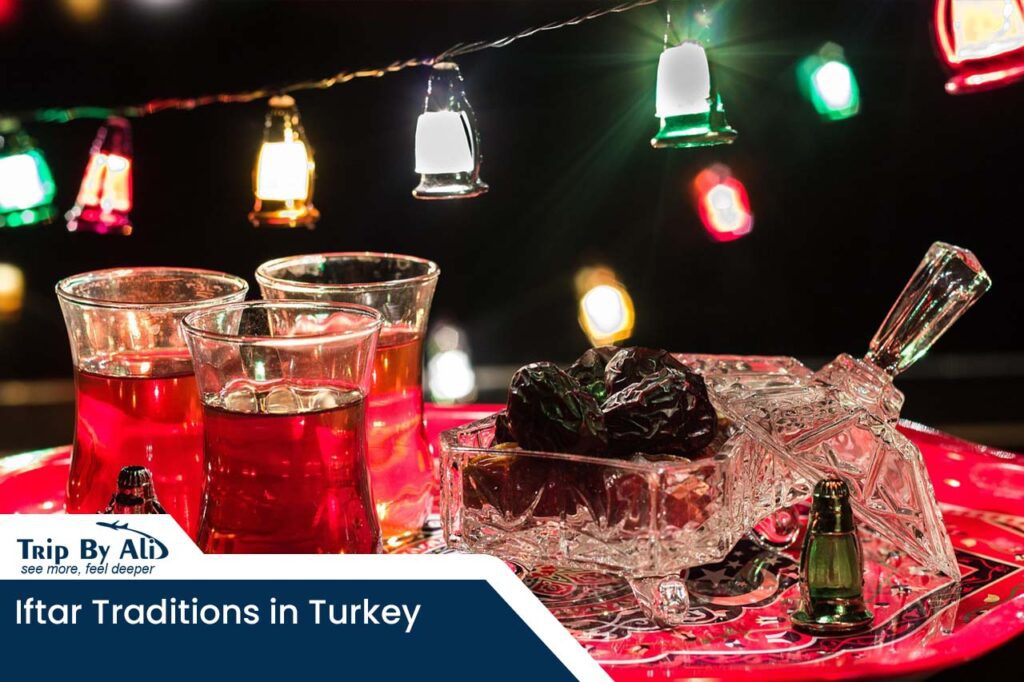
Iftar traditions in Turkey represent one of the most vivid and socially rich aspects of Ramadan in Turkey. As the sun sets and the call to prayer echoes across the city, Istanbul transforms into a shared dining space where families, friends, and strangers come together to break the fast. These moments reflect not only religious observance but also the city’s layered identity, shaped by history, community life, and public culture in Turkey.
Unlike private iftar experiences in many places, iftar traditions in Istanbul unfold openly in streets, parks, waterfronts, and historic districts. This openness allows visitors to observe and participate respectfully, turning an evening meal into a cultural experience that feels both intimate and collective.
The Meaning of Iftar in Turkey’s Social Life
In Turkey, iftar is more than the first meal after fasting; it is a daily reunion that reconnects people with family, neighborhood, and tradition. Many residents plan their entire day around iftar, returning home early or choosing meeting points close to mosques and public squares. The shared anticipation builds gradually, creating a sense of calm before sunset and warmth immediately after.
This social importance explains why iftar traditions in Istanbul emphasize togetherness. Invitations are common, and tables often include more food than necessary to ensure that no guest leaves unsatisfied. Hospitality during Ramadan becomes a reflection of generosity and respect, values deeply rooted in Istanbul’s cultural fabric.
Public Iftar Tables and Community Gatherings
One of the most recognizable features of iftar traditions in Istanbul is the presence of public iftar tables. Municipalities and community organizations set up long tables in parks, squares, and along the waterfront, offering free meals to residents and visitors alike. These gatherings bring together people from different backgrounds and income levels, reinforcing a sense of unity during the holy month.
For travelers, attending a public iftar offers a rare chance to experience Ramadan from within the community. The atmosphere feels welcoming rather than ceremonial, and conversations flow easily despite language differences. These gatherings often take place near historic landmarks, blending spiritual meaning with urban scenery.
Iftar Near Mosques and Historic Districts
Mosques play a central role in shaping iftar traditions in Turkey. Areas surrounding major mosques fill with people before sunset, creating a quiet but expectant atmosphere. As iftar time arrives, many people break their fast outdoors with simple foods before heading inside for prayer.
Historic districts in Istanbul such as Sultanahmet and Eyüp gain special significance during Ramadan evenings. Families spread out picnic-style meals, while visitors observe illuminated minarets and traditional decorations. These moments connect modern Istanbul with centuries-old practices, allowing travelers to witness continuity rather than performance.
Traditional Iftar Foods and Evening Street Flavors in Turkey
Iftar in Turkey usually begins with simple and comforting dishes that prepare the body after a long day of fasting. Warm soups, freshly baked bread, olives, and light starters often appear first, followed by shared main courses that reflect regional Turkish cuisine. In cities like Istanbul, families may gather at home or choose restaurants that offer structured iftar menus, creating a calm transition from the quiet daytime atmosphere into lively evening social life.
After the main iftar meal, many people continue their evening outdoors, especially in busy neighborhoods and waterfront areas. Walking through local streets becomes part of the experience, where visitors can explore additional flavors beyond traditional home dishes. Trying Istanbul street food during Ramadan nights allows travelers to discover how everyday snacks and late-night bites complement the cultural rhythm of iftar and extend the evening into a relaxed social journey.
Desserts After Iftar and the Sweet Traditions of Ramadan Nights
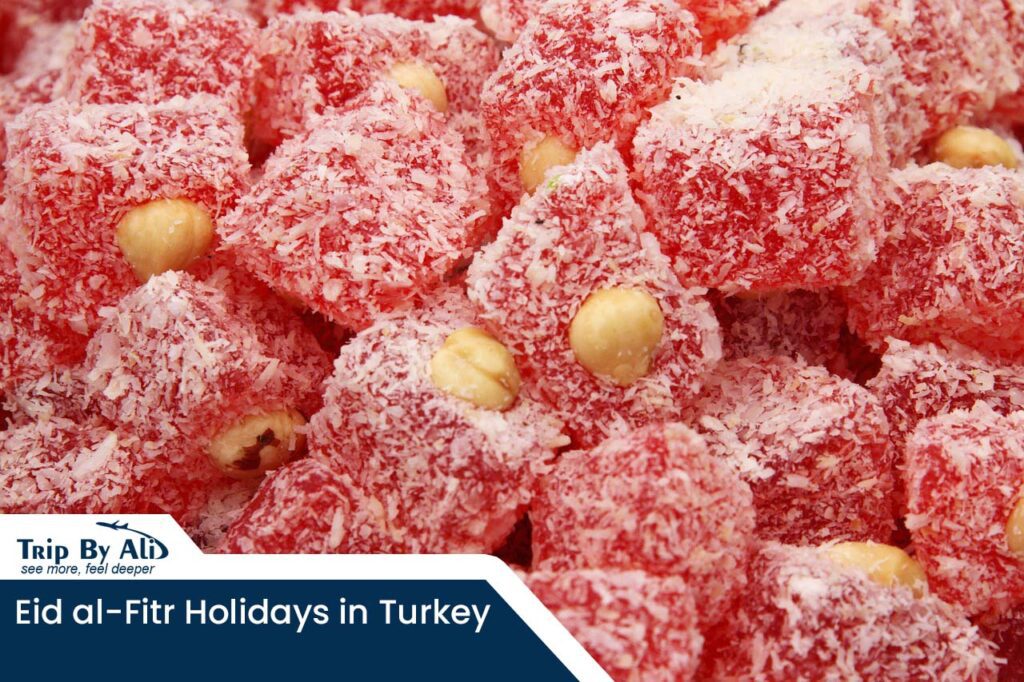
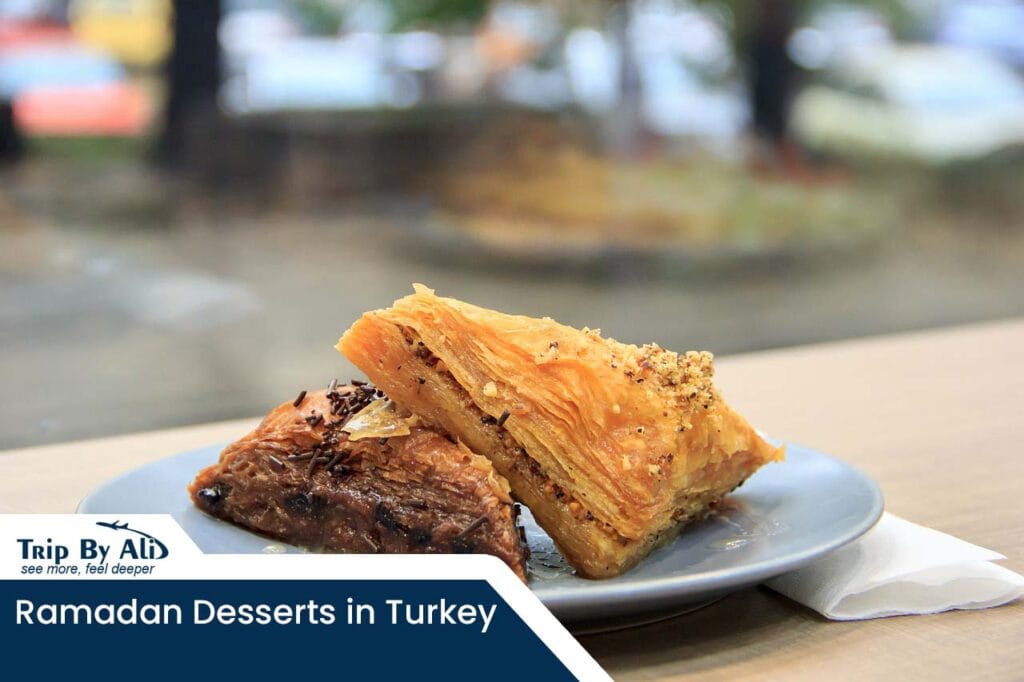
Desserts hold a special place during iftar in Turkey, often appearing both at the table and later in the evening when families visit friends or stroll through local districts. Milk-based sweets, syrup pastries, and seasonal treats are commonly shared as a symbol of hospitality and celebration. While some desserts are served immediately after the meal, others are enjoyed with tea hours later, creating a slower and more social pace to Ramadan nights.
This strong dessert culture encourages visitors to explore a wider range of Turkish sweets beyond the iftar table itself. Many travelers continue their culinary experience by discovering traditional Turkish desserts and sweets across different regions, while those interested in seasonal flavors can explore Ramadan desserts in Turkey to understand how specific recipes become closely tied to the holy month’s traditions and evening gatherings.
Experience Ramadan Evenings in Istanbul
Discover how food, tradition, and community shape iftar across the city during the holy month.
Restaurants, Home Tables, and Modern Iftar Experiences
While traditional iftar remains rooted in home cooking, restaurants across Turkey adapt their menus for Ramadan. Many offer fixed iftar meals that reflect regional Turkish cuisine, combining soups, main dishes, desserts, and drinks in a structured sequence. These settings appeal to visitors who want comfort while still engaging with local tradition.
At home, iftar tables vary widely depending on family background and region, but the core elements remain consistent. Soup, bread, and shared dishes dominate, followed by desserts and tea. This balance between tradition and modernity defines iftar traditions in Istanbul and keeps them relevant across generations.
Iftar as Part of Ramadan Night Culture
Iftar does not mark the end of the evening; it marks the beginning. After eating, many people walk through neighborhoods, visit markets, or attend cultural events. This natural transition connects iftar traditions in Istanbul with broader Ramadan night events in Turkey, where food, music, and social life extend late into the night.
For visitors, understanding this rhythm helps plan evenings more effectively. Instead of scheduling activities before sunset, many travelers find greater cultural value in experiencing Istanbul after iftar, when the city reveals its most authentic Ramadan character.
Want to explore more about Istanbul? Start your journey from the Trip by Ali homepage.
FAQ – Iftar Traditions in Turkey
Can visitors join public iftar tables in Turkey?
Yes. Public iftar tables are open and welcoming, and visitors are encouraged to participate respectfully.
Do restaurants close during iftar time?
Many restaurants remain open but focus service around sunset and evening hours during Ramadan.
Is it better to experience iftar at home or in public spaces?
Both offer valuable perspectives. Home iftar shows family tradition, while public iftar reflects community life.
Are iftar traditions the same across Turkey?
Core elements are similar, but neighborhood atmosphere and setting can change the experience significantly.
Is it respectful for non-Muslims to attend iftar?
Yes, observing or joining iftar respectfully is widely accepted and appreciated.
Plan Your Ramadan Experience in Istanbul
Find cultural guides, evening traditions, and seasonal insights for experiencing Ramadan in the city.
Written by Ali Rahnama — Local Eco Tour Guide and Travel Storyteller.
Explore my Google Maps contributions •
Discover more at Trip by Ali.