
National Holidays and Celebrations in Turkey | Culture & Society
Turkey’s calendar is filled with meaningful National Holidays and Celebrations in Turkey that reflect the country’s deep cultural, religious, and historical roots. From solemn commemorations of national triumphs to joyful feasts shared with family and friends, each celebration carries emotional, social, and patriotic significance.
Understanding these holidays not only enhances your cultural insight but also helps travelers, residents, and students plan their time around closures and public events. This guide outlines Turkey’s most important national and religious holidays, how they are celebrated, and what they reveal about Turkish identity and values.
Public holidays in Turkey can be categorized into three main types: national holidays that commemorate milestones in the Republic’s formation and Atatürk’s leadership; religious holidays based on the Islamic lunar calendar; and cultural or seasonal celebrations rooted in Anatolian traditions and regional practices. In addition, observance days such as 15 July or Teachers’ Day play a vital role in shaping modern Turkish civic identity.
Fast Facts About Turkish Holidays
| Holiday Type | Examples |
|---|---|
| National Holidays | Republic Day, Victory Day, Children’s Day |
| Religious Celebrations | Ramadan (Eid al-Fitr), Eid al-Adha |
| Seasonal/Cultural Days | Hıdırellez, Nevruz, Turkish Language Day |
| Dates with Observance | 15 July, 1 May, Teachers’ Day |
| Public Closures | Banks, schools, and government offices on many |
Official National Holidays in Turkey
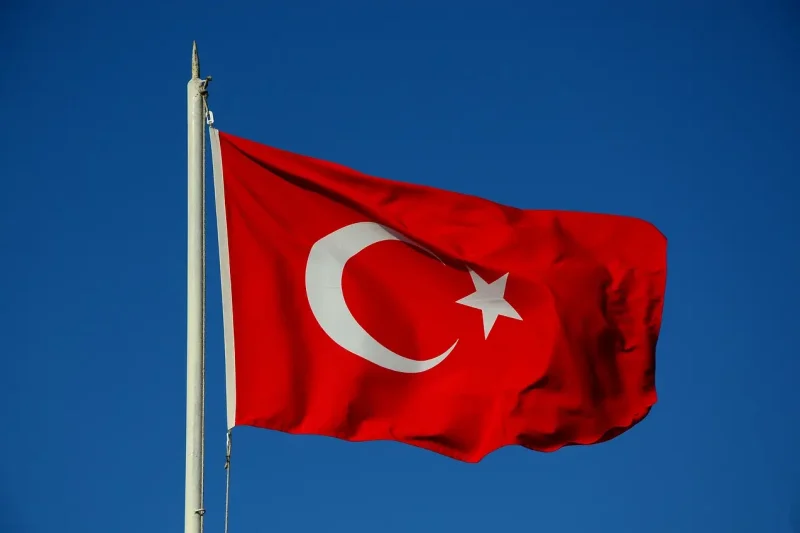
National holidays in Turkey are based on key moments in the country’s struggle for independence, modernization, and the formation of the Republic. These days are celebrated with official ceremonies, school performances, public concerts, and widespread display of the Turkish flag.
1 January – New Year’s Day
While not historically Turkish, New Year’s Day has been adopted as a secular public holiday. Families and friends gather on New Year’s Eve to celebrate with meals and games. Fireworks and countdowns are popular in urban areas.
23 April – National Sovereignty and Children’s Day
This unique holiday, established by Atatürk, reflects his dedication to children and democracy. On this day, children symbolically assume roles in parliament and government. School performances, children’s festivals, and international student exchange events are held across the country.
19 May – Commemoration of Atatürk, Youth and Sports Day
On this day in 1919, Atatürk began the national liberation movement. It is now celebrated as Youth and Sports Day, emphasizing the importance of youth in the republic. Sports competitions, cultural performances, and Atatürk tributes take place in cities nationwide.
30 August – Victory Day (Zafer Bayramı)
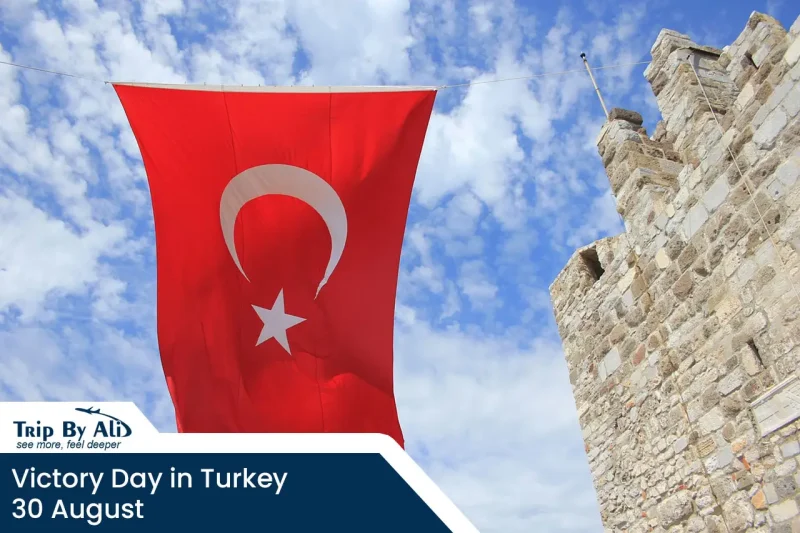
Victory Day commemorates the final victory in the War of Independence, the Battle of Dumlupınar. It honors the Turkish Armed Forces and is marked by military parades, public celebrations, and patriotic ceremonies. See more about Victory Day.
29 October – Republic Day (Cumhuriyet Bayramı)
Republic Day is Turkey’s most important secular national holiday, celebrating the foundation of the Republic of Turkey in 1923. Cities are decorated with lights and flags, and state officials deliver speeches honoring the legacy of Mustafa Kemal Atatürk. Schoolchildren often perform poetry and songs, and fireworks displays light up major cities.
Major Religious Holidays in Turkey
Religious holidays in Turkey follow the Islamic lunar calendar and are nationally observed, even among secular citizens. They include public closures, family gatherings, and charitable acts.
Ramadan Feast (Eid al-Fitr – Ramazan Bayramı)
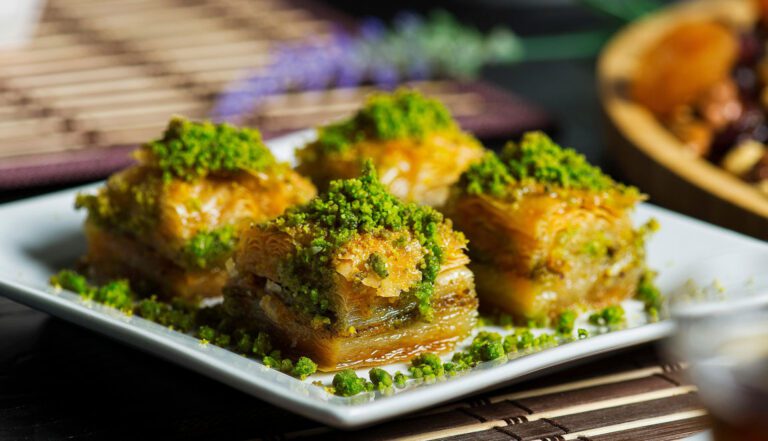
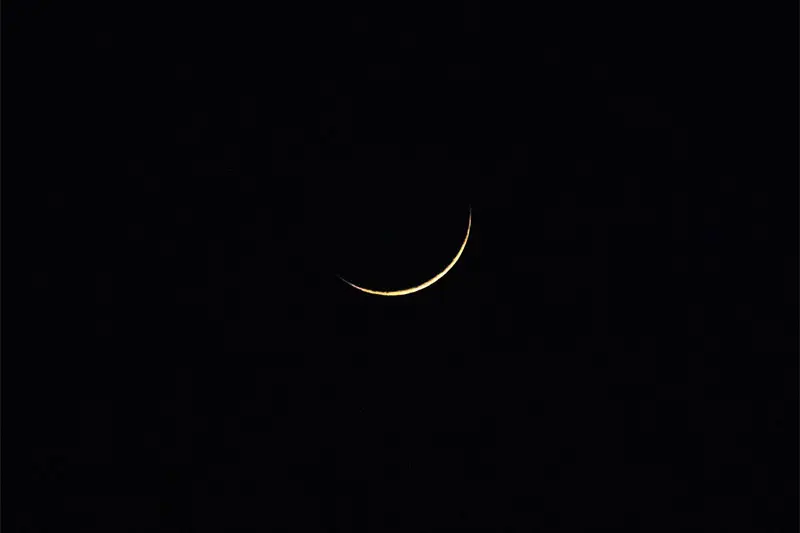
After a month of fasting during Ramadan, the three-day Ramazan Bayramı begins with prayers at mosques, followed by visits to elders and neighbors. Children receive candies and pocket money. Streets are filled with the aroma of sweets like baklava and Turkish delight. It’s also a time to visit graves and offer charity.
Eid al-Adha (Kurban Bayramı)
This four-day festival commemorates Prophet Ibrahim’s willingness to sacrifice his son. Many families perform a ritual animal sacrifice and share the meat with relatives, neighbors, and the poor. It’s also a major travel period, with millions of Turks returning to their hometowns or visiting holiday destinations.
Mosques organize public prayer services, and public awareness campaigns promote ethical and hygienic sacrifice practices.
Cultural and Seasonal Celebrations
Apart from official holidays, Turkey cherishes regional and cultural observances rooted in pre-Islamic, Sufi, and rural traditions. These are not official holidays but hold deep symbolic and communal meaning.
Hıdırellez – Festival of Spring and Wishes
Celebrated on May 5–6, Hıdırellez marks the meeting of prophets Hızır and İlyas, symbolizing abundance and renewal. People gather in parks to light fires, sing folk songs, and write wishes on paper, hoping for prosperity. In some Aegean and Thracian regions, traditional rituals include bathing in rivers or tying wishes to rose trees.
Nevruz – Spring Equinox Celebration
Observed on March 21, Nevruz celebrates the arrival of spring and is most common in Eastern and Southeastern Turkey. Bonfires, traditional costumes, dancing, and music reflect a deep sense of cultural identity. It also serves as a celebration of renewal, especially for Kurdish and Turkic communities.
Other Cultural Days: Turkish Language & Teachers’ Day
Turkish Language Day (Sept 26) celebrates the richness of the Turkish language and often involves debates, recitals, and media discussions. Teachers’ Day (Nov 24) honors the teaching profession, and students express their gratitude through flowers, poems, and school performances.
Observance Days with National Significance
While not public holidays, these days are highly respected and often include media coverage, ceremonies, and community engagement.
15 July – Democracy and National Unity Day
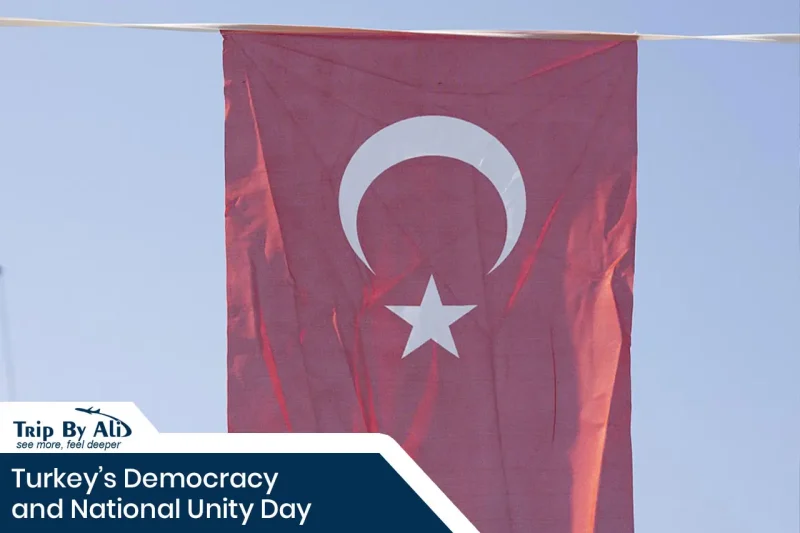
Commemorates the failed 2016 coup attempt. Events include candlelight vigils, public speeches, and TV specials honoring those who defended democratic institutions. Streets and bridges may be renamed or decorated for remembrance. See more detail about 15 July here.
1 May – Labor and Solidarity Day
A global workers’ holiday, May Day is marked in Turkey by marches, concerts, and trade union rallies. In some cities, security presence is increased due to political significance. Many workers spend the day with family or in local events.
Want to explore more? Start your journey from the Trip by Ali homepage.
Discover How Turkey Celebrates its Identity
Every holiday tells a story. Join the crowds, observe the customs, and experience the emotion of each celebration firsthand.
Explore Turkish Traditions & ValuesKey Holidays at a Glance
In case you missed any section, here are the highlights and essential info to help you quickly navigate.
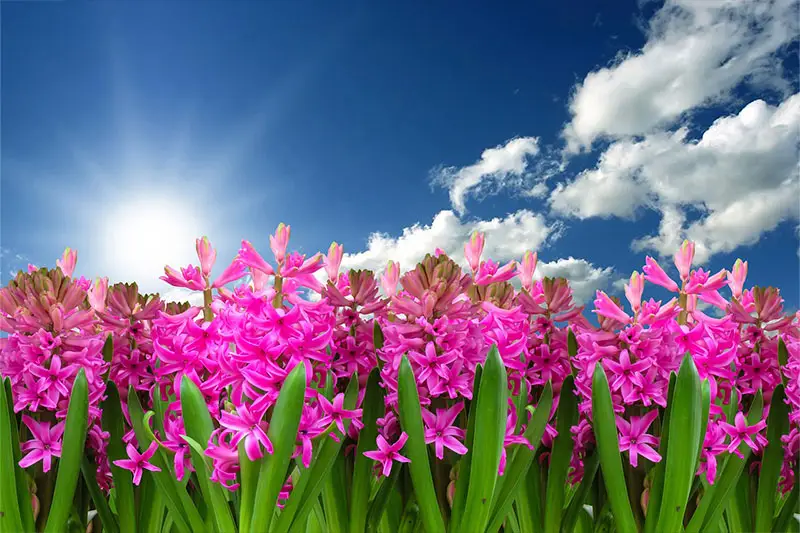
Marks the meeting of prophets Hızır and İlyas, symbolizing abundance and renewal
Personalized Travel Advice
Need assistance planning your visit? Get tailored recommendations from a local expert.
Frequently Asked Questions About Topkapi Palace– FAQ
Do businesses close during national holidays in Turkey?
Yes. Government offices, banks, and many businesses close during official national and religious holidays
Are tourists affected by Turkish holidays?
Yes, especially during Ramadan and Eid holidays. Expect heavy travel, crowded destinations, and limited business hours.
What holiday is most important in Turkey?
Republic Day (29 October) is the most significant national holiday. For religious importance, Eid al-Adha holds the highest status.
Are celebrations public or private?
Both. Many celebrations include public events, parades, and fireworks, while religious holidays are often celebrated with family.
What should travelers know before visiting during Turkish holidays?
Book accommodations early, be aware of transport disruptions, and check local event schedules. Respecting traditions — like wearing modest clothing during religious times — is appreciated.
Want to Join Turkey’s Colorful Celebrations?
Whether you're visiting during Republic Day or observing Ramadan with friends, every Turkish holiday opens a new window into the nation’s heart.
See All Culture & Society TopicsWritten by Ali Rahnama — Local Eco Tour Guide and Travel Storyteller.
Explore my Google Maps contributions •
Discover more at Trip by Ali.