
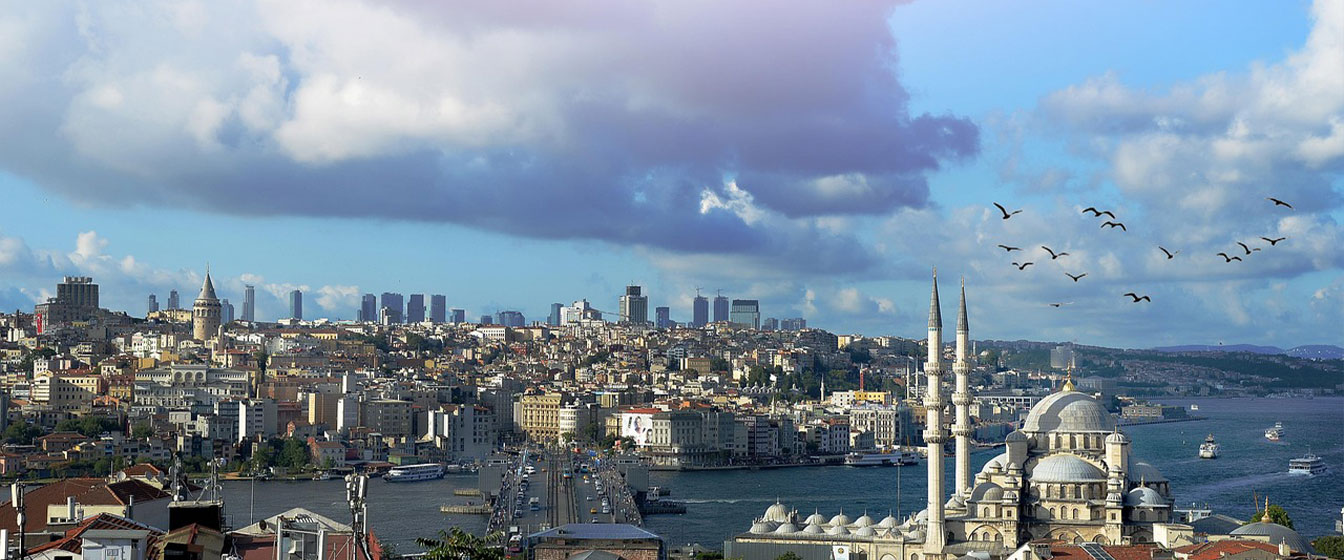
Istanbul Attractions Guide
Istanbul is a city built on layers of history, culture, and daily life, where imperial monuments stand next to lively streets, and quiet natural escapes sit just beyond busy neighborhoods. This page is the main hub for discovering the most important attractions in Istanbul, offering a clear overview of what the city has to offer before exploring each place in detail through dedicated pages.
From iconic palaces overlooking the Bosphorus to centuries-old mosques, vibrant markets, peaceful islands, urban parks, museums, coastal areas, and food-focused districts, Istanbul’s attractions are diverse in both form and experience. Some are essential landmarks for first-time visitors, while others reward slower exploration and repeat trips.
This guide focuses on real visitor experiences, practical access conditions, atmosphere, and the role each attraction plays in understanding the city as a whole.
What makes Istanbul attractions unique?
Istanbul’s attractions are not isolated sightseeing points. Most places are deeply connected to daily life, religious practice, trade, and long-standing traditions. A mosque may function as a place of worship while also shaping the neighborhood around it. A historic market remains an active commercial center. A palace reflects not only imperial power but also urban planning, waterfront life, and cultural change.
This interconnected nature allows visitors to move naturally from one type of attraction to another within short distances. Historic districts often combine historic palaces in Istanbul, mosques, museums, streets, and food spots in a single walk.
Palaces and imperial landmarks of Istanbul
The palaces of Istanbul reflect different periods of the city’s imperial history, from the early Ottoman era to the late empire’s European-influenced architecture. These sites are usually located near the Bosphorus or strategic viewpoints and are among the most visited landmarks in the city.
Visitors can expect large courtyards, ceremonial halls, gardens, and collections that include art, manuscripts, and historical objects. Some palaces offer panoramic views of the Bosphorus, while others are embedded within older districts, surrounded by traditional streets.
These sites form the foundation for understanding Ottoman palaces in Istanbul, their political function, and their influence on the city’s development.
Mosques and religious architecture
Mosques in Istanbul are not only architectural landmarks but also living spaces of worship. Many of the city’s most important mosques are open to visitors outside prayer times, allowing respectful exploration of their interiors, courtyards, and surrounding complexes.
Each mosque reflects the architectural style of its era, from classical Ottoman symmetry to later decorative influences. Visitors often notice how mosques shape public squares, markets, and neighborhood rhythms.
Exploring famous mosques to visit in Istanbul provides insight into both spiritual life and urban planning across centuries.
Churches and Christian heritage in Istanbul
Istanbul has been home to Christian communities for centuries, and its churches reflect the city’s multicultural and multi-faith identity. From ancient Byzantine churches to later Armenian and Catholic landmarks, these sites represent architectural, artistic, and religious continuity.
Many churches are still active places of worship, while others function as historical monuments or cultural spaces. Frescoes, mosaics, stonework, and interior details offer insight into different Christian traditions that shaped the city over time.
Exploring historic churches in Istanbul adds an essential layer to understanding the city beyond its Ottoman and Islamic heritage.
Historical buildings and monuments
Beyond palaces and religious structures, Istanbul is filled with historical buildings that define its urban memory. City walls, towers, fountains, baths, bridges, and civic buildings appear throughout different districts, often integrated into modern neighborhoods.
These structures reveal how the city functioned in daily life, defense, trade, and public services across different empires. Some monuments stand as iconic landmarks, while others are quietly embedded into residential areas.
This category brings together historical buildings and monuments in Istanbul that complete the city’s architectural story.
Museums and cultural institutions
Istanbul’s museums cover a wide range of themes, including archaeology, art, modern culture, history, and science. Some museums are housed in former palaces, religious buildings, or historic warehouses, while others are purpose-built contemporary spaces.
Museum visits offer a structured way to understand the city’s timeline, from ancient civilizations through the Byzantine and Ottoman periods to modern Turkey. Many museums are located close to other attractions, making them easy to combine within a single area.
These places form the backbone of best museums in Istanbul for history and culture.
Scenic and historic neighborhoods of Istanbul
Istanbul’s character is best experienced through its neighborhoods. Each district reflects a different rhythm, architectural style, and social life shaped by history, geography, and culture.
Some neighborhoods are known for preserved historic houses and narrow streets, while others blend old structures with creative spaces, cafés, and galleries. Walking through these areas reveals how traditions and modern life coexist naturally.
Discovering historic and scenic neighborhoods in Istanbul allows visitors to experience the city beyond individual landmarks.
Cafés, restaurants, and nightlife districts
Istanbul’s social life extends well into its cafés, restaurants, and nightlife venues. Certain areas are known for traditional cafés and local eateries, while others attract modern dining concepts, rooftop venues, and international cuisine.
Nightlife districts include live music venues, clubs, lounges, and bars that cater to different styles and audiences. These areas often sit close to cultural and historic zones, making evenings an extension of daytime exploration.
This part of the city comes together through best cafés, restaurants, and nightlife areas in Istanbul.
Discover Istanbul Beyond the Landmarks
From imperial history to local neighborhoods, explore the full range of attractions that shape Istanbul’s identity.
👉 Plan Your Istanbul RouteMarkets, bazaars, and shopping areas
Shopping in Istanbul ranges from centuries-old covered bazaars to modern malls and lively street markets. Traditional markets remain central to local life, offering spices, textiles, jewelry, ceramics, and everyday goods.
Modern shopping centers add international brands, dining options, and entertainment, often serving as social hubs. Outdoor markets reflect regional food culture and seasonal rhythms.
These areas highlight traditional markets and shopping areas in Istanbul as cultural experiences rather than simple retail stops.
Parks, forests, and green spaces
Despite its size, Istanbul offers many green spaces that provide relief from urban density. Parks, hills, and forests are scattered throughout the city, often offering views of the Bosphorus, Golden Horn, or surrounding neighborhoods.
Some parks are designed for leisure and picnics, while others are more natural and forested, attracting walkers and families. These spaces play an important role in daily life and weekend routines.
Exploring parks and forests in Istanbul for nature lovers reveals a quieter side of the city.
Islands and coastal escapes
Just off the coast, Istanbul’s islands offer a slower pace and a different atmosphere from the mainland. With limited vehicle traffic, these islands are known for walking paths, cycling routes, historic houses, and seaside views.
Coastal areas within the city also provide beaches, promenades, and waterfront cafés. These locations are especially popular during warmer months.
Visitors interested in islands near Istanbul for day trips often find these areas ideal for relaxation and scenic exploration.
Beaches, waterfronts, and Bosphorus views
Istanbul’s relationship with water defines much of its character. The Bosphorus Strait, the Sea of Marmara, and the Golden Horn shape neighborhoods, transport routes, and leisure activities.
Waterfront areas include walking paths, cafés, ferry routes, and scenic viewpoints. Some beaches are suitable for swimming during summer, while others are better for coastal walks and sunsets.
These experiences are central to Bosphorus attractions and coastal areas in Istanbul.
Winter attractions in Istanbul and nearby regions
Winter adds a different character to Istanbul, revealing attractions that are often overlooked in warmer seasons. Cooler weather brings quieter historic sites, seasonal activities, and unique urban experiences that combine culture, nature, and entertainment. From city-based winter attractions to nearby mountain escapes, Istanbul becomes a versatile winter destination rather than a limited off-season stop.
Within the city, indoor attractions such as museums, historic palaces, and cultural venues gain new appeal during winter months. Seasonal events, exhibitions, and winter-focused entertainment options create a lively atmosphere even on colder days. Visitors interested in urban winter activities can explore winter attractions in Istanbul that blend sightseeing with comfort and accessibility.
For those looking for active experiences, ice skating is a popular winter activity in the city. Modern indoor rinks provide opportunities for both casual visitors and experienced skaters, especially in central districts. These venues are well suited for families and short recreational outings, highlighted through ice skating rinks in Istanbul, including well-known locations on the Asian side.
Winter also opens the door to short trips beyond the city. Nearby mountain destinations become accessible for skiing, snowboarding, and alpine leisure. These areas are commonly visited as day trips or weekend escapes from Istanbul, offering a complete contrast to urban life. Popular routes include ski resorts near Istanbul, with well-established destinations such as Kartepe ski center and Uludağ ski resort attracting winter sports enthusiasts.
Together, these seasonal attractions show how winter expands Istanbul’s travel experience rather than limiting it, connecting city life with nearby natural landscapes and specialized winter activities.
Food districts and restaurant areas
Food is a major attraction in itself. Certain districts are known for traditional restaurants, street food, seafood, or modern dining concepts. Eating out in Istanbul often becomes a cultural exploration rather than a simple meal.
Food-focused areas range from historic neighborhoods with long-established eateries to modern streets filled with cafés , Turkish desserts and international cuisine.
This side of the city is best explored through best food districts and restaurants in Istanbul.
International events, sports, and festivals
Istanbul regularly hosts international events that attract visitors from around the world. These include major sports competitions, marathons, championships, cultural festivals, concerts, exhibitions, and art events.
Such events highlight the city’s role as a global meeting point and often transform districts into lively cultural hubs. Seasonal festivals and international tournaments add dynamic experiences beyond standard sightseeing.
Visitors interested in timing their trip around major happenings can explore international events and festivals in Istanbul.
Medical tourism and beauty treatments
Istanbul has become a leading destination for medical tourism, especially in fields such as cosmetic procedures, dental care, hair restoration, and wellness treatments. Modern clinics, experienced professionals, and competitive pricing attract international visitors year-round.
Medical and aesthetic tourism is often combined with travel, allowing visitors to recover while exploring the city. Facilities are spread across different districts, supported by accommodation and transport options.
This growing sector is represented by medical tourism and beauty treatments in Istanbul.
Financial attractions and business opportunities
Istanbul is not only a cultural destination but also a regional financial and commercial center. The city offers opportunities in trade, real estate, tourism, technology, and international business.
Business districts, investment zones, trade fairs, and startup ecosystems reflect Istanbul’s strategic position between Europe, Asia, and the Middle East. Many visitors combine exploration with professional interests, networking, or market research.
This dimension is captured through business and investment opportunities in Istanbul.
Main Attraction Categories
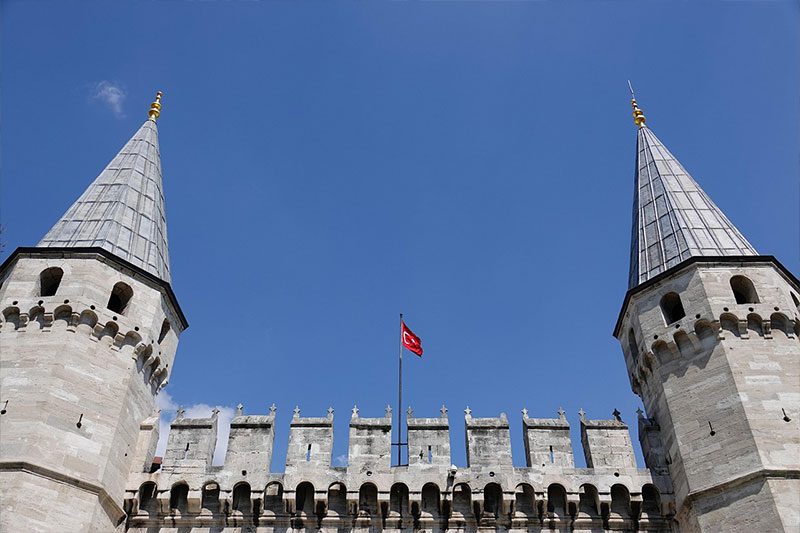
Imperial palaces, historic buildings, city walls, towers, and architectural landmarks that reflect Istanbul’s layered history from Byzantine to Ottoman eras.
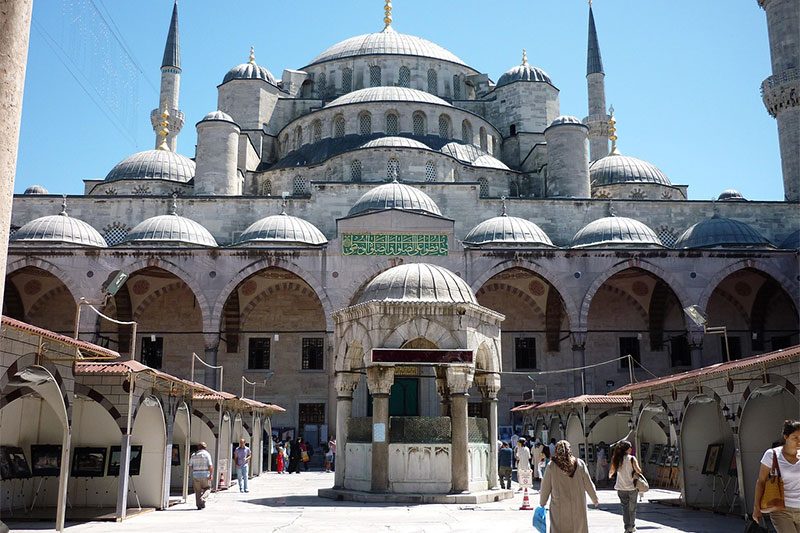
Major mosques, historic churches, and religious complexes that shape Istanbul’s skyline and represent its multicultural and multi-faith heritage.
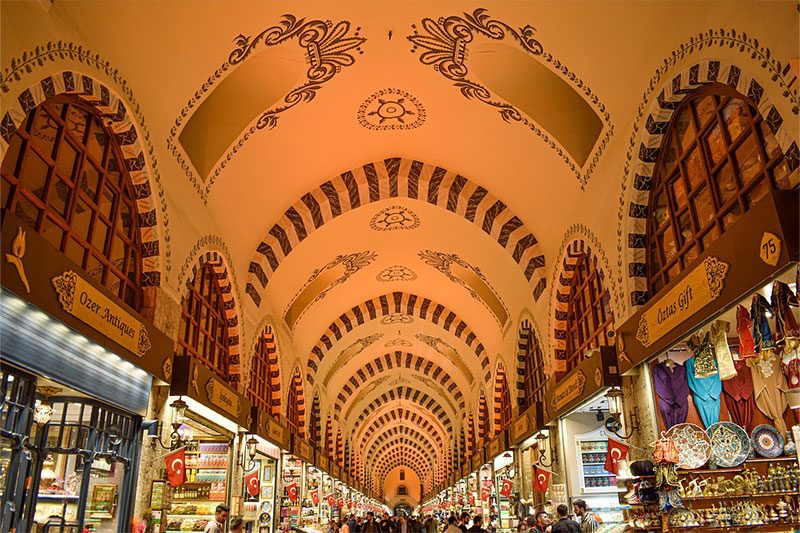
Traditional bazaars, local markets, modern shopping centers, and commercial streets that define Istanbul’s trade culture and daily life.
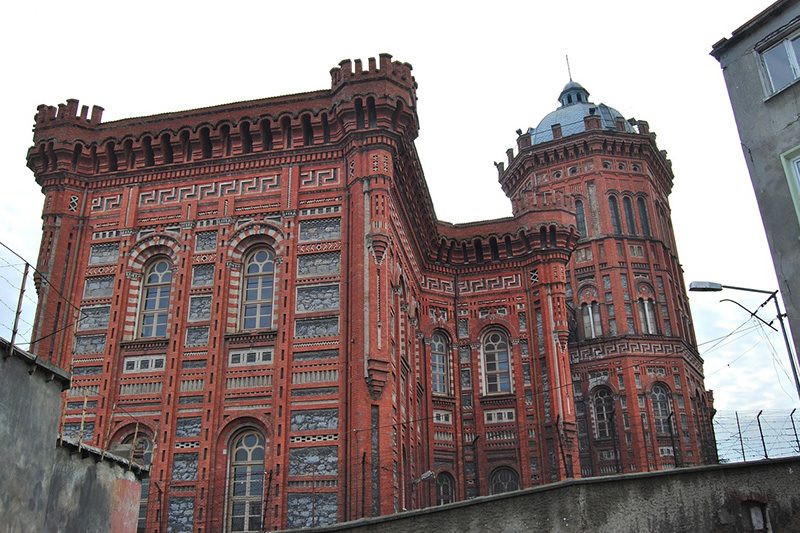
Iconic streets, scenic districts, and historic neighborhoods where architecture, culture, food, and everyday life come together.
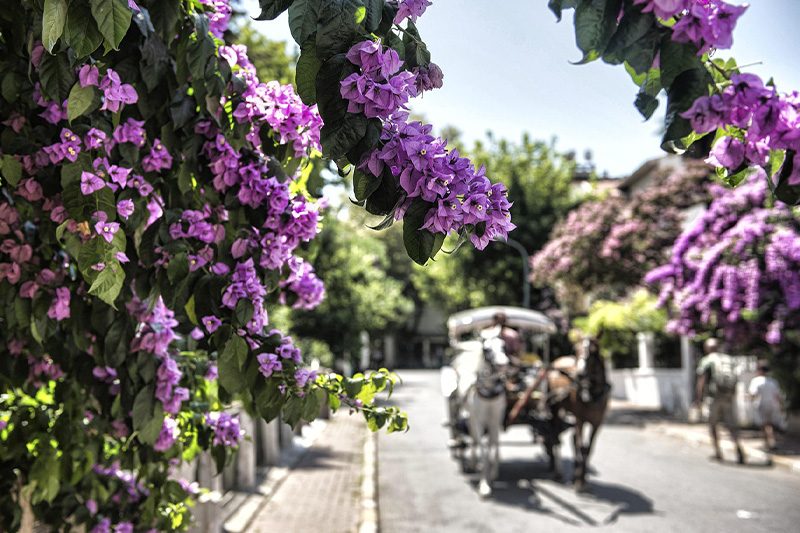
Beaches, parks, forests, islands, and waterfront areas offering natural escapes and scenic experiences within and around the city.

Plan Your Istanbul Journey
Need personalized advice or a tailored itinerary? Reach out for expert guidance to make the most of your Istanbul adventure.
Practical planning for visiting Istanbul attractions
Most attractions in Istanbul are accessible by public transportation, walking, or short ferry rides. Visiting times, crowd levels, and atmosphere can vary significantly depending on season, day of the week, and local events.
Some sites require modest dress or time planning around prayer hours. Others are best visited early in the morning or later in the afternoon for a calmer experience.
Understanding these details helps visitors move smoothly between top places to visit in Istanbul without unnecessary stress.
FAQ- Istanbul attractions
What is the best area to stay near Istanbul attractions?
Staying close to historic districts offers easy access to major landmarks, while central modern areas provide better transport connections to different parts of the city.
How many days are enough to see Istanbul attractions?
A well-planned visit usually requires several days, depending on how deeply visitors want to explore museums, neighborhoods, and surrounding areas.
Are Istanbul attractions suitable for families?
Many attractions, including parks, islands, and waterfront areas, are family-friendly and accessible.
Is it possible to explore Istanbul attractions without a guide?
Independent exploration is common, but structured routes help visitors connect historical context across sites.
When is the best season to visit Istanbul attractions?
Spring and autumn offer mild weather and balanced crowd levels, while summer and winter provide different experiences.
More Istanbul Guides

Start Exploring Istanbul
Use this guide as your starting point and dive deeper into each attraction through dedicated pages.
Explore Istanbul AttractionsWritten by Ali Rahnama — Local Eco Tour Guide and Travel Storyteller.
Explore my Google Maps contributions •
Discover more at Trip by Ali.