
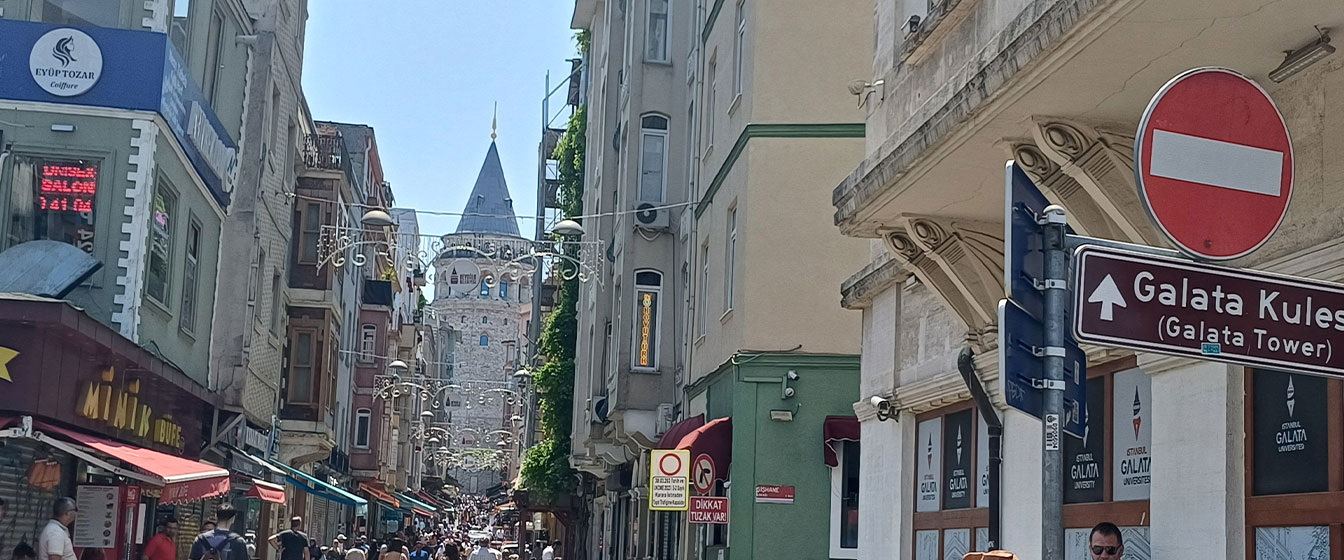
Plan Your Trip to Istanbul and Beyond
Essential tips and local insights to make your journey smooth, smart, and unforgettable
Planning a trip to Istanbul—or anywhere in Türkiye—can be thrilling, but also overwhelming without the right guidance. From visa requirements and local transport to money matters and cultural etiquette, this section offers practical, insider-backed tips to help you travel with confidence. Whether you’re a first-time visitor or a seasoned explorer, our curated advice ensures you experience the best of the city—efficiently and enjoyably.
Quick Facts Before You Go
Essential info at a glance—because smart travelers plan smarter:
Visa Types: Most nationalities can apply online for an e-Visa or get visa-free access for short stays.
Time Zone: Turkey operates on GMT+3 year-round with no daylight saving.
Currency: The Turkish Lira (TRY) is used; cash is preferred in small shops and markets.
Power Plugs: Turkey uses Type C and F plugs, 220V. Bring an adapter if you’re from outside Europe.
Tipping Culture: Tipping 5–10% in restaurants is appreciated but not mandatory.
Wi-Fi & SIM Cards: Free Wi-Fi is common in cafes; affordable SIM cards available at the airport.
Emergency Number: 112 is the all-purpose emergency number (medical, fire, police).
Language: Turkish is the official language; basic English is spoken in tourist areas.
Travel Timing and Seasons
Best Time to Visit Istanbul
Spring (April to June) and fall (September to November) offer the most pleasant weather, moderate tourist crowds, and colorful cityscapes. These months strike a perfect balance between comfort and affordability, making them ideal for first-time visitors.
Avoid visiting during peak summer (July–August), as the city becomes hot, humid, and crowded. On the other hand, winter is cheaper and quieter but may include rainy days and occasional snow.
Public Holidays and National Events
Being aware of Turkish public holidays such as Ramadan or Republic Day helps avoid crowds and plan around business closures. During these times, public transportation can be busier, and some attractions may have altered hours.
Major events like Istanbul Biennial or Istanbul Marathon may affect hotel prices and availability but offer a richer local experience.
Choosing Where to Stay
Best Neighborhoods for Tourists
For first-timers, Sultanahmet offers direct access to historical sites like Hagia Sophia and the Blue Mosque. For a more local vibe, Beyoğlu (around Taksim and Galata) provides a mix of nightlife, art, and boutique hotels.
Those seeking seaside relaxation might prefer Kadikoy or Uskudar on the Asian side, offering quieter neighborhoods with ferry access to the center.
Accommodation Types and Budget Options
From luxury hotels to budget-friendly hostels and authentic guesthouses, Istanbul has something for every traveler. Boutique hotels in restored Ottoman houses are popular for couples, while Airbnb and aparthotels work well for longer stays.
Staying near tram or metro lines greatly improves mobility and reduces transit time to attractions.
Transportation and Getting Around
Public Transport System Overview
Istanbul’s transport network includes trams, metros, buses, ferries, and funiculars. The Istanbulkart, a smart travel card, is essential for cost-effective and smooth travel across all services.
Using public transport is not only cheaper than taxis, but also more time-efficient in heavy traffic.
Navigating Without Hassle
Google Maps and local apps like Moovit help plan routes and check timetables. Trams are ideal for tourist hotspots, while ferries offer scenic alternatives with less congestion.
Avoid taxis during rush hours and always ask for the meter to be turned on to avoid tourist scams.
Money, Costs, and Currency
Currency Exchange and Payment Tips
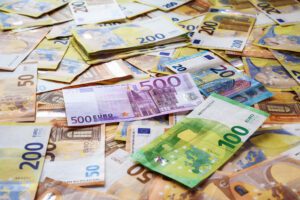
The Turkish Lira (TRY) is the local currency. Exchange offices (Döviz) in tourist areas offer reasonable rates, but avoid airport kiosks. Many places accept credit cards, but cash is still necessary for smaller vendors.Of course, some reputable stores and brands accept major currencies such as dollars, euros, and pounds.
Avoid ATM fees by using global cards like Wise or Revolut, and be cautious of dynamic currency conversion (pay in TRY, not your home currency).
Daily Budget Breakdown
A mid-range traveler can expect to spend around 50–80 USD/day including meals, entry fees, and transport. Street food and public transport keep costs low, while museum passes help save on entry fees.
Luxury travelers may spend 150–200+ USD/day depending on accommodation and shopping.
You can find more information about Istanbul travel costs here.
Visas, Entry & Safety
Visa Requirements by Nationality
Citizens of most EU countries, the US, UK, and Gulf countries can enter Turkey visa-free or with e-visa. Always check the latest info on the official Turkish e-visa website.
Processing time is short, and the online system is efficient, but travelers should apply at least a few days before departure.
Staying Safe in the City
Istanbul is generally safe, but petty theft like pickpocketing can occur in crowded areas. Keep your belongings secure, especially in markets or public transport.
Avoid political demonstrations, and always carry a copy of your passport and visa in case of random checks.
Food, Water & Dietary Tips
Street Food Safety and Hygiene
Street food in Istanbul is both affordable and delicious, but it’s important to choose vendors with high turnover and clean preparation areas. Foods like simit, corn, and freshly grilled fish are generally safe due to the high cooking temperatures.
Avoid uncooked items like unpeeled fruits or open dairy unless you’re in a reputable establishment. Always check for cleanliness around the cart and use hand sanitizer regularly.
Drinking Water and Dietary Restrictions
Tap water in Istanbul is technically safe but not commonly consumed by locals. Bottled water is inexpensive and widely available. Bring a reusable bottle and refill it at hotels or trusted sources to reduce waste.
Vegetarians will find options like lentil soup, borek with cheese, or stuffed vegetables. For halal, kosher, gluten-free or vegan diets, look for specialized restaurants, especially in areas like Cihangir and Kadikoy.
Ready to Plan Your Perfect Trip
Let us help you turn ideas into a flawless itinerary—tailored for you
👉 Start Planning NowPacking & Clothing Advice
Seasonal Clothing Guide
Pack according to the season. Summers require light fabrics, sunscreen, and hats, while winters call for coats, scarves, and layers. Spring and fall are unpredictable—carry a compact umbrella and a light jacket.
For religious sites (Mosques or some Churches), modest clothing is essential. Women should carry a scarf for head covering, and everyone should wear clothes that cover shoulders and knees.
Must-Have Essentials
Don’t forget comfortable walking shoes—cobblestone streets and hilly paths are common. Power adapters (Type F), a power bank, and sunscreen are useful. Also include basic medication like painkillers or anti-allergy pills, especially if you have sensitivities to new foods or climates.
Connectivity & Useful Apps
Internet Access and SIM Cards
Most hotels, cafes, and restaurants offer free Wi-Fi. However, for reliable access, getting a local SIM card is smart. Turkcell, Vodafone, and Türk Telekom have tourist-friendly packages with data, calls, and SMS.
Purchase a SIM card at the airport or a downtown store. Make sure your phone is unlocked and compatible with Turkish frequencies.
Recommended Apps for Travelers
Install apps like Google Maps, Moovit (for public transport), and BiTaksi (for safer taxi booking). Google Translate is handy, and Yemeksepeti or Getir is perfect for food delivery.
For itinerary planning and attraction tickets, apps like Passo or GetYourGuide are widely used by locals and tourists.
Tours, Tickets & Reservations
When to Book in Advance
Popular attractions like Hagia Sophia, Topkapه Palace, and Bosphorus cruises may have long queues. Booking tickets in advance saves time and ensures entry during busy periods.
Online platforms or city tourism cards offer bundled deals for multiple attractions and sometimes allow fast-track access.
Finding Local Experiences
Beyond major sites, consider guided food tours, walking history tours, or cooking classes for a deeper cultural connection. Booking through reputable providers ensures quality and safety.
Check reviews before committing, and ask if tours are offered in your preferred language.
Etiquette, Culture & Language Tips
Basic Phrases and Politeness
Learning a few Turkish phrases like “Merhaba” (Hello), “Teshekkurler” (Thank you), or “Afedersiniz” (Excuse me) shows respect and often results in warmer interactions. Most young people speak some English, especially in tourist zones.
A smile and a respectful tone go a long way in Turkish culture, even when language is a barrier.
Cultural Norms and What to Avoid
Dress modestly in mosques and respect local customs. Avoid public displays of affection in conservative areas, and refrain from discussing sensitive political topics.
When entering homes or some traditional places, removing shoes is customary. Tipping is expected in restaurants (5–10%) and for services like taxis or hotel staff.
Want to explore more? Start your journey from the Trip by Ali homepage.
Plan Smarter with Quick Cards
Short on time?
These quick-access cards summarize essential travel details so you can jump straight into planning without missing a beat.
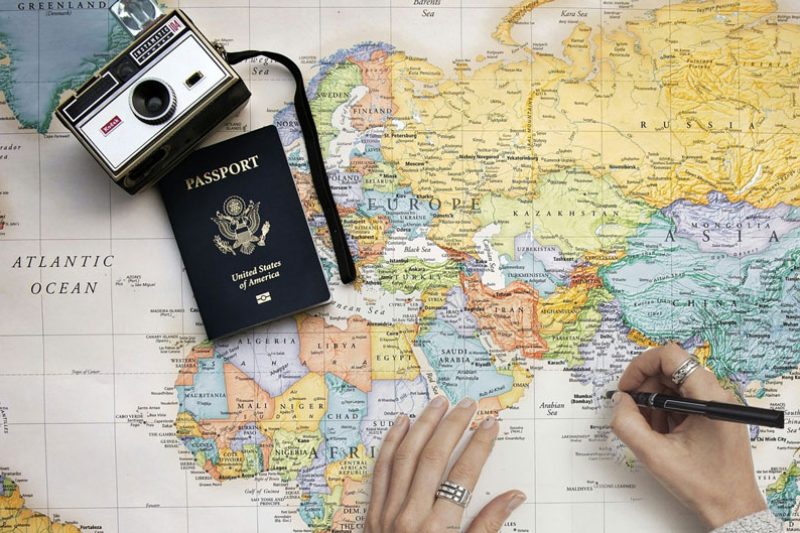
Get an overview of visa requirements and application steps for your nationality.
Explore your best options for getting from the airport to your hotel hassle-free.
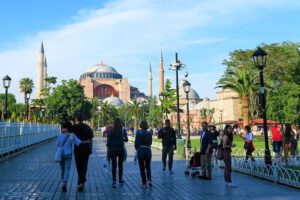
Learn the pros and cons of each season to make the most of your trip.
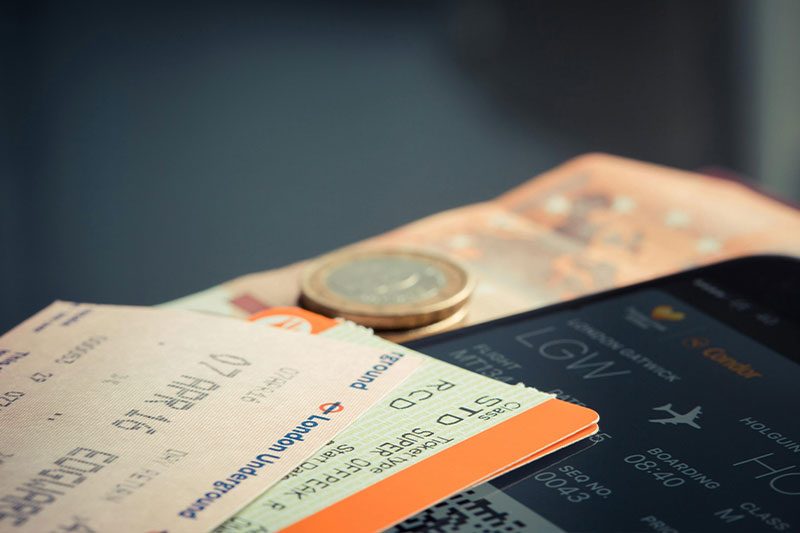
Don’t forget the essentials—see what to pack based on the season and region.
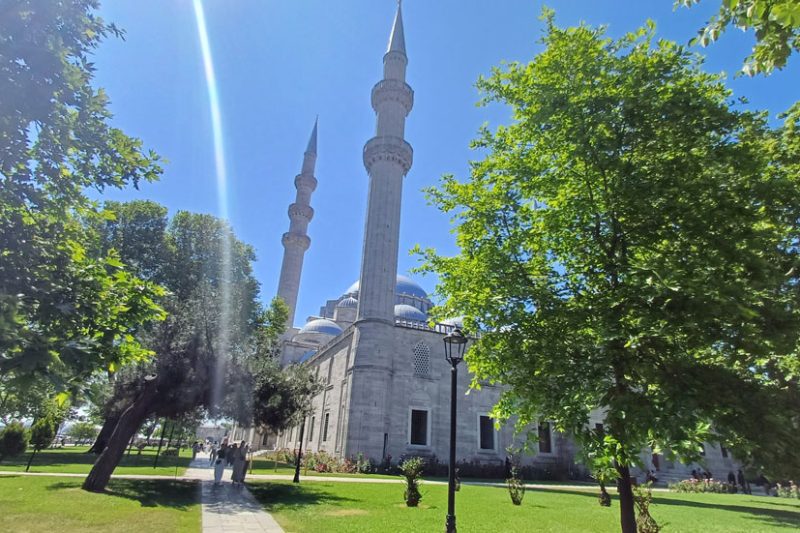
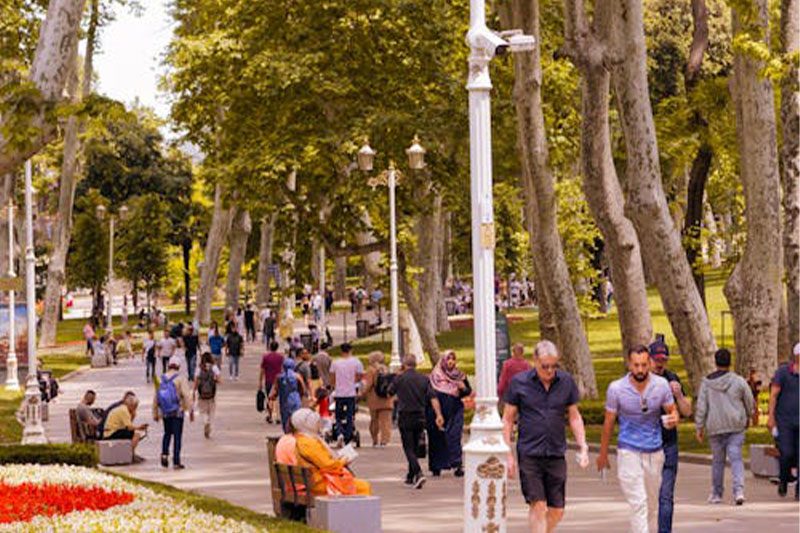
Understand local customs to enjoy a respectful and smooth experience.
Need Help Planning?
Not sure where to start? Let our local experts craft a custom itinerary just for you.
Frequently Asked Questions
Still have questions? These answers might help
Q1: Do I need a visa to travel to Turkey?
That depends on your nationality. Many travelers can apply for an e-Visa online, while some have visa-free access.
Q2: Can I drink tap water in Turkey?
It’s safe in major cities but not always recommended due to taste and possible plumbing issues. Bottled water is cheap and widely available.
Q3: Is Turkey safe for solo travelers?
Yes, especially in tourist areas. As with any destination, stay aware of your surroundings and avoid isolated areas at night.
Q4: Can I use my credit card everywhere?
In big cities and tourist hubs, yes. But carry cash for local markets, taxis, or street food vendors.
Q5: What’s the best time to travel?
Spring (April–June) and fall (September–October) offer pleasant weather and fewer crowds.
Written by Ali Rahnama — Local Eco Tour Guide and Travel Storyteller.
Explore my Google Maps contributions •
Discover more at Trip by Ali.