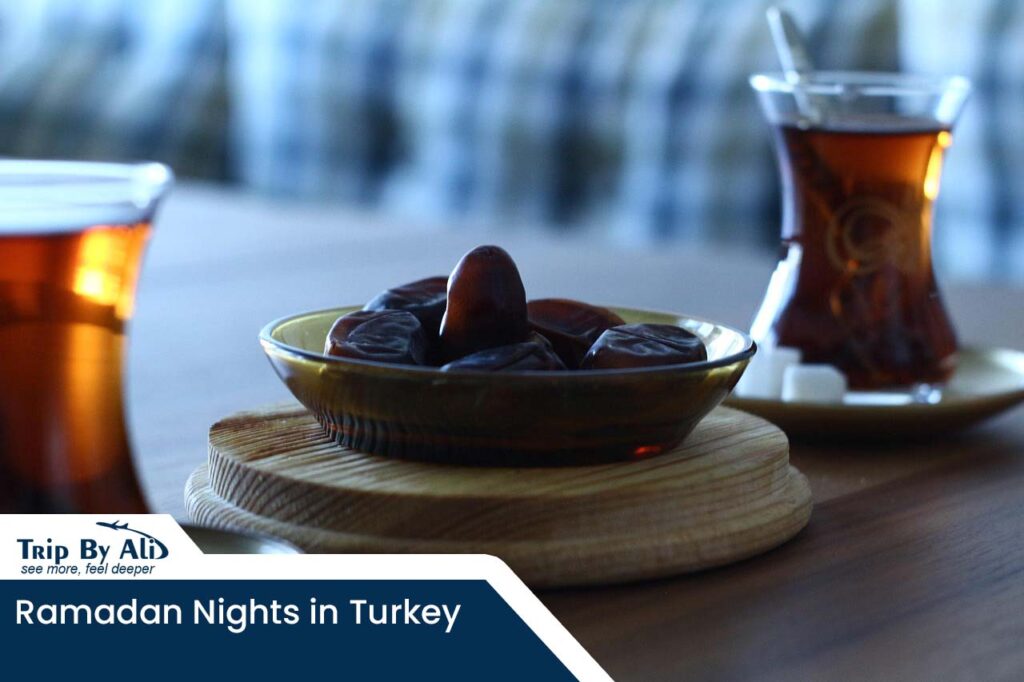
Ramadan nights in Turkey offer a unique cultural experience that transforms cities and neighborhoods after sunset. While daytime feels calm and reflective, the hours following iftar bring a noticeable shift in energy. Streets become livelier, bakeries fill with the scent of fresh bread, and families gather outdoors. This daily transformation shapes one of the most distinctive seasonal atmospheres in Turkish society.
Understanding Ramadan nights goes beyond observing evening meals. It reveals how social traditions, food rituals, religious practices, and community life merge into a shared rhythm that defines the holy month across the country.
How Cities Transform After Iftar
As the call to prayer signals the end of the fast, homes and restaurants fill with families breaking their fast together. Shortly after, streets begin to come alive. In cities like Istanbul, public squares, waterfront promenades, and historic districts see increased movement as people take evening walks.
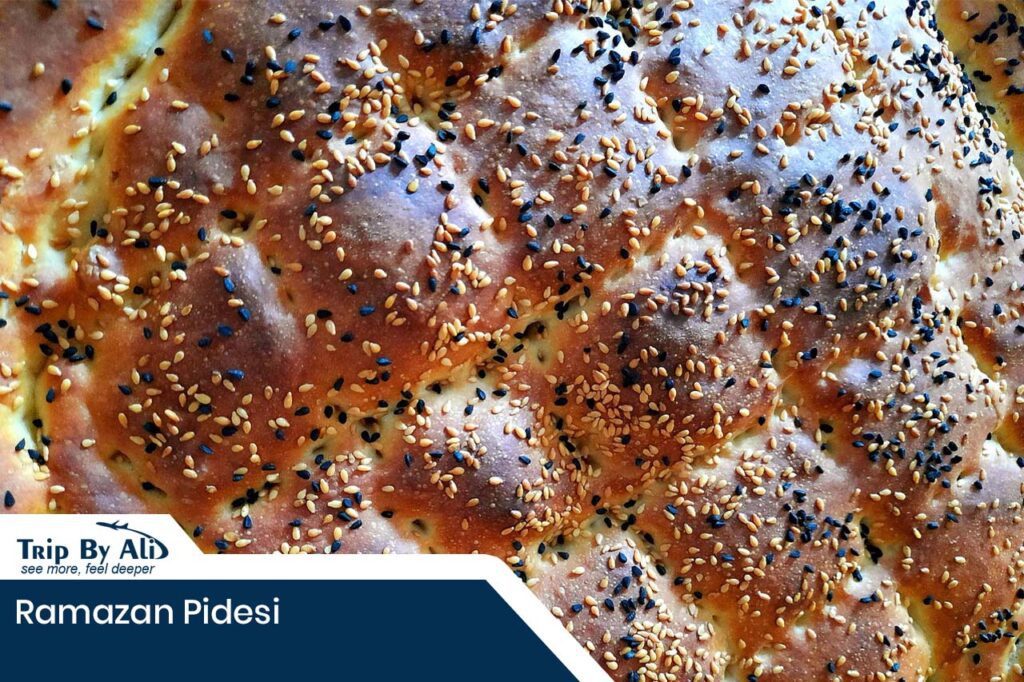
Neighborhood bakeries extend their hours. Tea gardens remain open later. Families stroll with children. The atmosphere feels relaxed but social. Exploring this evening rhythm connects naturally with the broader context of Ramadan in Turkey travel experiences, where cultural life shifts from daytime quiet to nighttime vitality.
Social Gatherings and Community Traditions
Ramadan nights are deeply rooted in community life. Families visit relatives, neighbors exchange sweets, and cafés host long conversations over tea. These gatherings reflect hospitality values embedded in culture and society in Turkey.
Unlike typical nightlife focused on entertainment, Ramadan evenings center on togetherness and reflection. The emphasis is not on spectacle but on shared presence. This cultural pattern reinforces how Turkish society blends tradition with modern urban life.
Food, Desserts, and Late-Night Flavors
After iftar, dessert culture becomes especially visible. Families often enjoy milk-based sweets or pastries while visiting friends. Pastry shops display seasonal treats that define the month. In larger cities, some people continue their evening by exploring light snacks and tea houses.
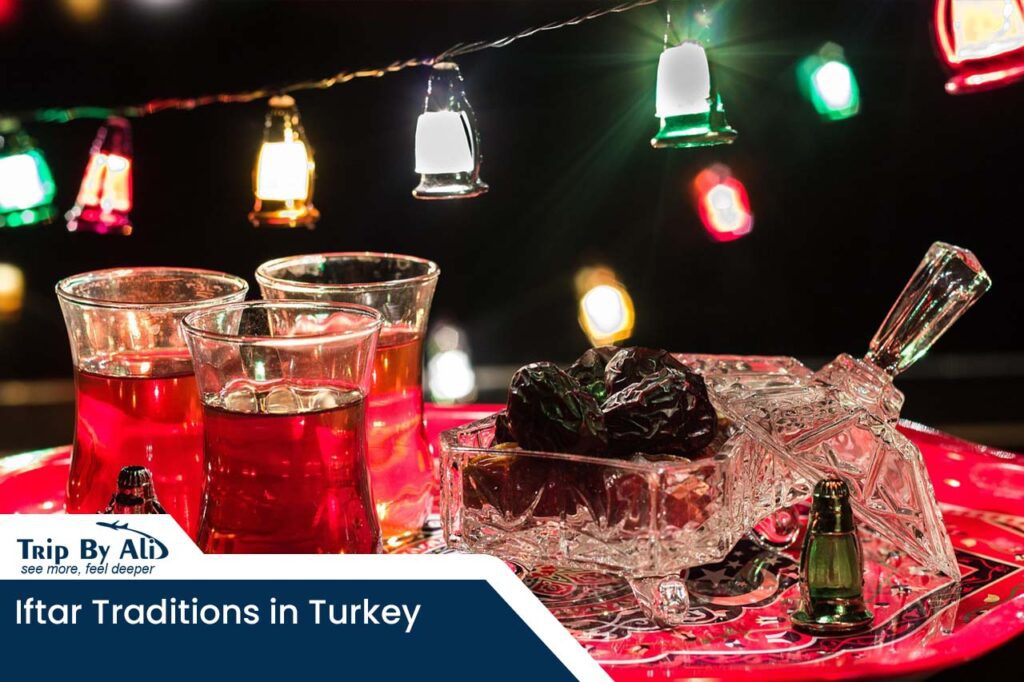
These habits connect directly with Iftar traditions in Turkey and Ramadan evening food culture, where the meal extends into a longer social event rather than ending at the table. Ramadan nights therefore combine culinary customs with public life in a way that few other periods of the year do.
Explore Ramadan Traditions in Turkey
Discover how food, culture, and community shape the holy month across the country
Religious Atmosphere and Night Prayers
Mosques play a central role in shaping the nighttime mood. Special evening prayers known as Taraweeh bring people together after iftar. In historic mosques across Istanbul and other cities, illuminated minarets create a calm yet powerful visual presence.
Even visitors who do not participate in prayer often observe the peaceful atmosphere surrounding these sites. This spiritual dimension adds depth to Ramadan nights and strengthens the connection between faith and daily life.
Ramadan Nights in Istanbul
Istanbul offers one of the most dynamic Ramadan night experiences in Turkey. Areas around historic mosques, waterfront neighborhoods, and traditional districts become gathering points. Street vendors, tea sellers, and dessert shops remain active late into the evening.
The blend of historical landmarks and seasonal tradition makes Ramadan nights particularly memorable in Istanbul. Visitors often combine evening walks with cultural exploration, linking the experience naturally to broader sightseeing routes.
Why Ramadan Nights Attract Travelers
For travelers, Ramadan nights provide insight into authentic daily life rather than staged cultural performances. The shift from quiet mornings to vibrant evenings allows visitors to witness how tradition shapes modern society.
Experiencing Ramadan nights alongside visits to historical sites or neighborhoods creates a balanced journey. It reflects how seasonal traditions integrate with broader travel experiences in Turkey.
Cultural Meaning of Ramadan Evenings
Ramadan nights symbolize renewal, generosity, and shared identity. The repetition of daily evening gatherings strengthens family bonds and community ties. Food, prayer, and conversation merge into a collective experience that defines the month.
Within the framework of culture and society in Turkey, Ramadan evenings demonstrate how seasonal rituals continue to influence urban and rural life alike.
Want to explore more about Istanbul? Start your journey from the Trip by Ali homepage.
FAQ
Are Ramadan nights busy in Turkey?
Yes, evenings become lively after iftar, especially in city centers and historic neighborhoods.
What happens after iftar in Turkey?
Families gather, visit friends, walk outdoors, and attend evening prayers.
Is it suitable for tourists to explore during Ramadan nights?
Yes. Many visitors find the evening atmosphere welcoming and culturally enriching.
Do restaurants stay open late during Ramadan?
Yes, especially in larger cities where evening dining continues well into the night.
Discover Turkish Culture and Seasonal Traditions
Explore how Ramadan nights connect with history, food culture, and social life in Turkey
Written by Ali Rahnama — Local Eco Tour Guide and Travel Storyteller.
Explore my Google Maps contributions •
Discover more at Trip by Ali.