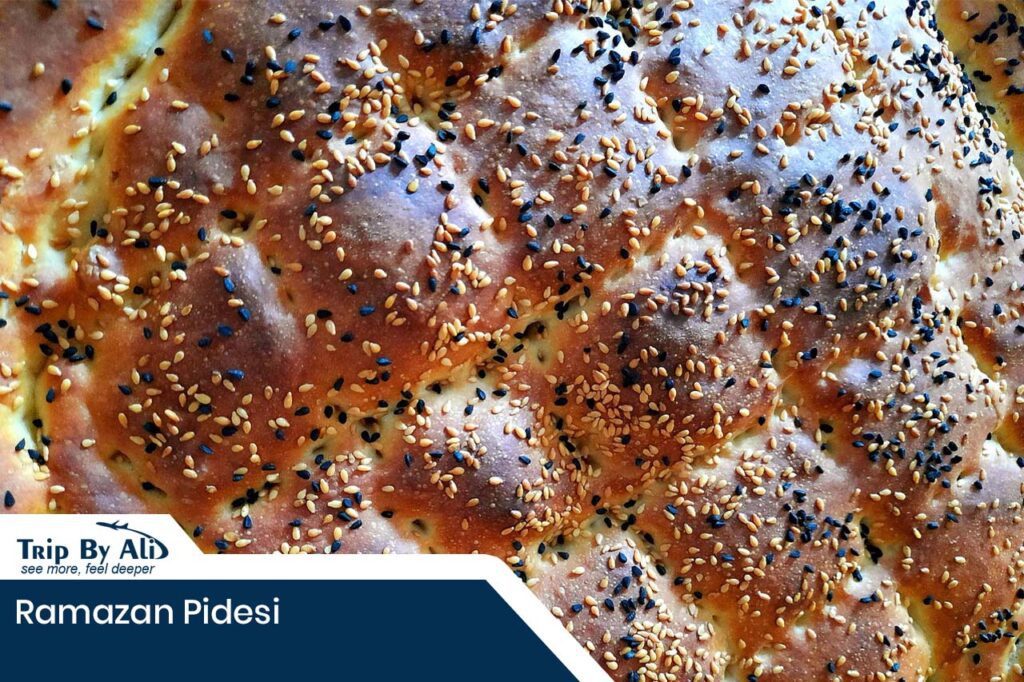
The streets of Türkiye (formerly known as Turkey) undergo a magical transformation during the holy month of Ramadan. As the sun begins its descent, a captivating aroma wafts from local bakeries, drawing crowds into long, rhythmic queues. This is not just about bread; it is about a shared cultural heartbeat. In this post, we explore the story behind the most iconic seasonal staple of the Turkish table: the warm, sesame-crusted Ramazan Pidesi.
The Story of Ramazan Pidesi
When the sun begins to set over the historic minarets of Istanbul and other cities, a very specific and divine aroma fills the air. This is the scent of Ramazan Pidesi, a soft, leavened flatbread that is only available during the holy month of Ramadan. For locals and visitors alike, standing in the “pide queue” outside a neighborhood bakery is as much a part of the spiritual experience as the fast itself. This bread is not just a side dish; it is the centerpiece of every Iftar table, representing a centuries-old culinary heritage.
The Art of Crafting the Perfect Pide
Unlike the daily bread (ekmek) found in every corner shop, the Ramadan version is distinct in its preparation and appearance. It is a circular, hand-shaped dough characterized by its “baklava pattern”—the crisscross indentations made by the baker’s fingertips. Before it enters the stone oven, it is brushed with a mixture of egg yolk and yogurt (known as şifa) and generously sprinkled with nigella seeds and sesame. The result is a golden, slightly chewy crust with a cloud-like interior that is perfect for soaking up soups and stews.
Why the “Pide Queue” Matters
To understand the Turkish food culture, one must experience the 30-minute window before the call to prayer. People from all walks of life stand together in line, waiting for the latest batch of hot pides to be pulled from the wood-fired ovens. This tradition fosters a sense of community and shared anticipation. The warmth of the bread against the cool evening air is a sensory memory that stays with every traveler.
Taste the Streets Like a Local
Join our exclusive food tours and discover the hidden gems of the city.
How to Enjoy Your Pide Like a Local
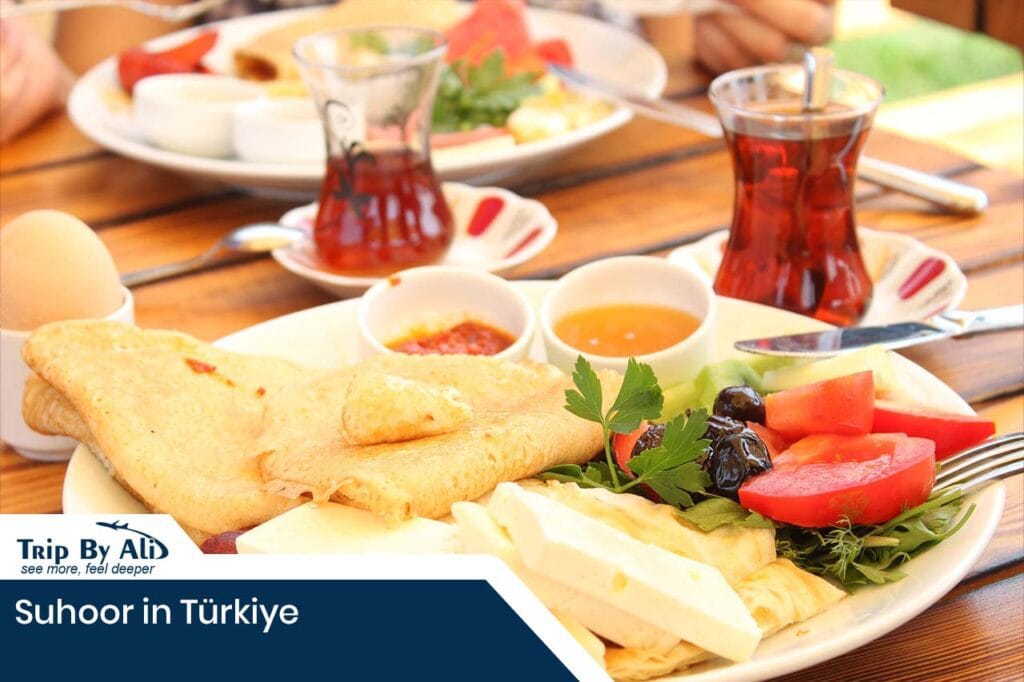
While it is tempting to tear into the bread as soon as you step out of the bakery, it is traditionally saved for the moment of Iftar. It pairs beautifully with a bowl of Mercimek Çorbası (lentil soup) or can be enjoyed simply with a slice of white cheese and a few olives. If you have leftovers, they make an excellent base for a hearty Suhoor breakfast the next morning, especially when toasted with a bit of butter and honey.
Exploring More Seasonal Flavors
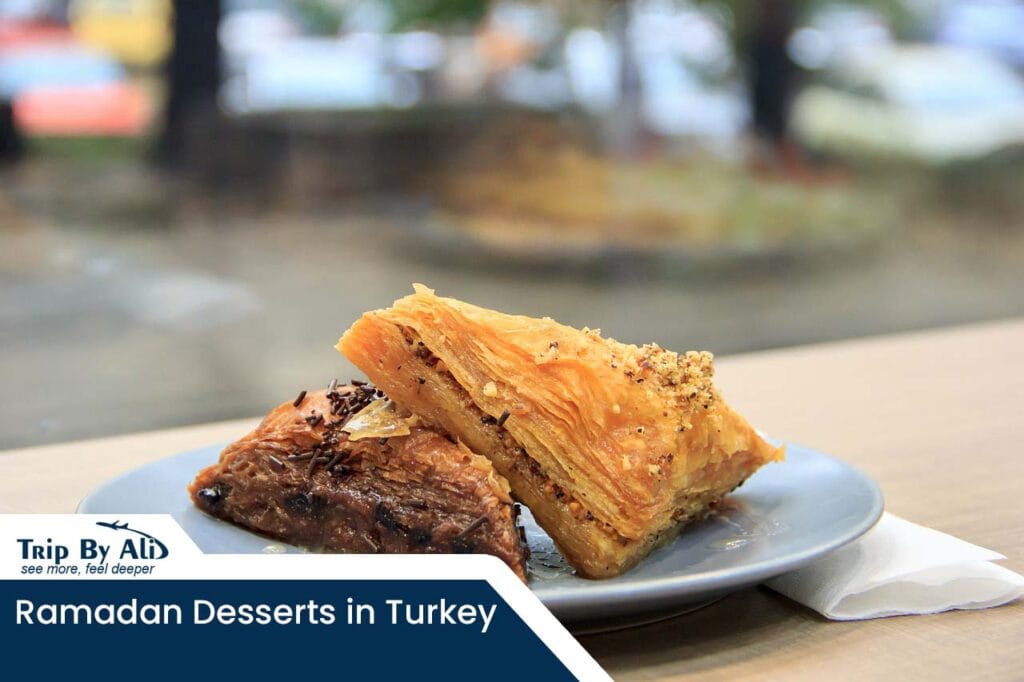
The culinary journey during this holy month doesn’t end with bread. From the royal sweetness of Güllaç to the rich variety of grilled meats, the table is always full of surprises. To dive deeper into these traditions, make sure to explore our comprehensive guides on Traditional Turkish Desserts and Sweets and our ultimate Turkish Food Culture Overview.
Want to explore more about Istanbul? Start your journey from the Trip by Ali homepage.
FAQ
1. Is Ramazan Pidesi available all year round?
Traditionally, no. It is a seasonal bread baked exclusively during the month of Ramadan. However, some specialty bakeries might offer similar styles, but the authentic “Ramazan Pidesi” experience is unique to this time of year.
2. What are the black seeds on top of the bread?
The black seeds are nigella seeds (çörek otu), which provide a slightly bitter, onion-like aroma that perfectly complements the nutty flavor of the sesame seeds.
3. Why is there always a long line for this bread?
Locals prefer to eat the pide while it is steaming hot and fresh from the oven. Since everyone wants their bread exactly at the time of Iftar, long queues form at bakeries just before sunset.
4. Can I find different versions of this pide?
Yes, some bakeries offer versions with extra eggs or double the sesame seeds (special orders), but the classic version remains the most beloved by everyone.
Ready to Plan Your Dream Trip?
From boutique stays to guided adventures, let Ali handle the details.
Written by Ali Rahnama — Local Eco Tour Guide and Travel Storyteller.
Explore my Google Maps contributions •
Discover more at Trip by Ali.