
Culture & Society in Turkey: Traditions, Daily Life, Beliefs, and Social Customs
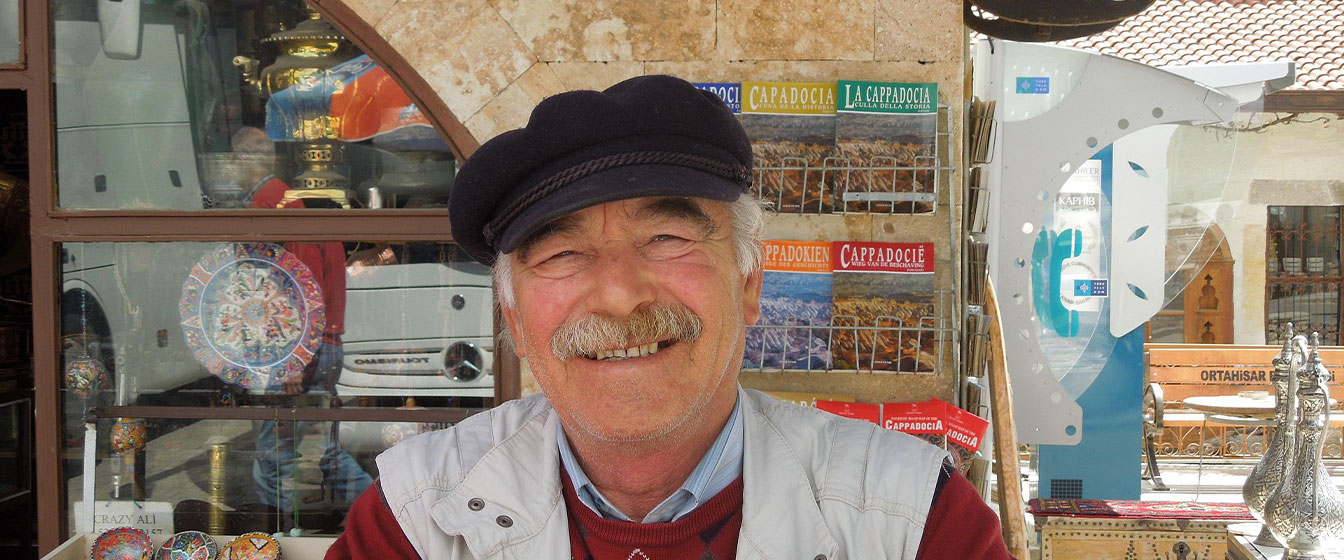
Culture & Society in Turkey
Understanding culture and society in Turkey begins with recognizing how history, geography, and daily life blend into a living social fabric. Turkey stands at the crossroads of Europe and Asia, and this position has shaped its identity through centuries of migration, trade, religion, and cultural exchange. The result is a society that feels familiar and modern in some aspects while deeply rooted in tradition in others. From urban neighborhoods in Istanbul to rural communities in Anatolia, cultural identity reveals itself through language, hospitality, family structure, and shared social rituals.
Culture and society in Turkey are not static concepts. They evolve constantly as generations reinterpret traditions within a contemporary lifestyle. Cafés filled with young professionals, family gatherings during religious holidays, and public celebrations in city squares all reflect a dynamic society that balances heritage with modernity. Exploring culture and society in Turkey travel experiences means observing how people interact, celebrate, and maintain social bonds in everyday life.
How Family and Community Shape Daily Life in Turkey
Family remains one of the most important pillars of culture and society in Turkey. Relationships between parents, children, grandparents, and extended relatives influence daily decisions, social behavior, and long-term planning. Many gatherings revolve around shared meals, weekend visits, or holiday reunions that reinforce strong intergenerational connections.
Community also plays a significant role. Neighbors often maintain close relationships, particularly in residential districts where people see each other regularly in local markets, cafés, and mosques. This sense of belonging becomes visible during special occasions, where entire neighborhoods participate in shared traditions. Experiences connected to traditional customs and everyday life in Turkey often reveal how community ties shape social expectations and personal identity.
Hospitality and Social Etiquette in Turkish Society
Hospitality forms a central element of culture and society in Turkey. Guests are treated with warmth and generosity, and offering tea or food is considered a natural expression of respect. Social etiquette emphasizes politeness, modest behavior, and attentiveness to others, values that appear in both formal and informal settings.
Visitors may notice that conversations often begin with friendly greetings and small talk before moving into deeper topics. This rhythm reflects a cultural emphasis on building trust before discussing serious matters. Understanding Turkish hospitality traditions and social etiquette helps travelers appreciate subtle gestures such as offering sweets, sharing meals, or engaging in extended conversations that strengthen social bonds.
Religion, Beliefs, and Cultural Identity
Religion continues to influence culture and society in Turkey, even though daily life varies widely between individuals and regions. Islam shapes many traditions, including holidays, family gatherings, and social rituals, yet Turkey’s cultural identity also includes secular values, diverse communities, and historical influences from different civilizations.
Mosques remain important social and architectural landmarks, while religious practices coexist with modern urban lifestyles. This coexistence allows visitors to observe multiple layers of identity within a single city or region. Understanding religious traditions and cultural beliefs in Turkey provides context for celebrations, etiquette, and seasonal events that define the social calendar.
Festivals, Celebrations, and Seasonal Traditions
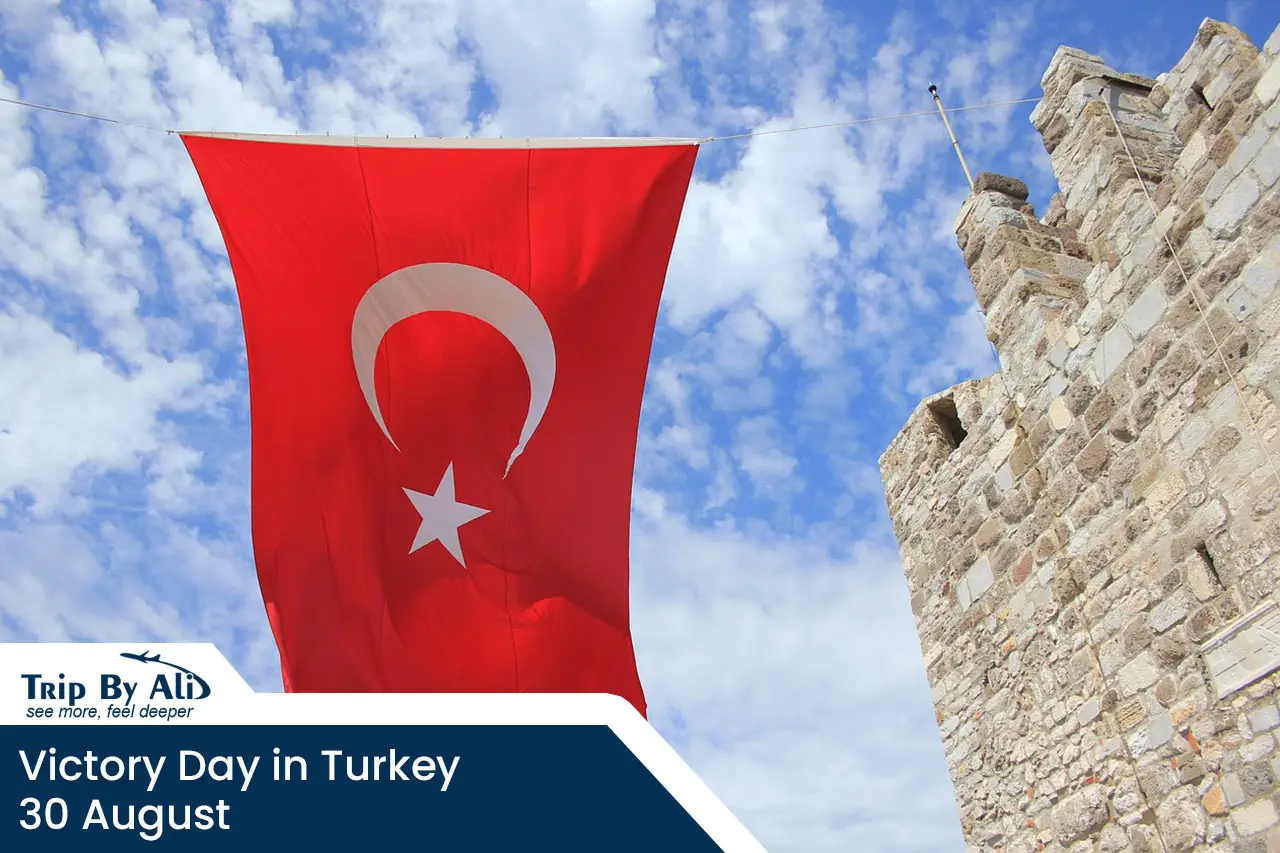
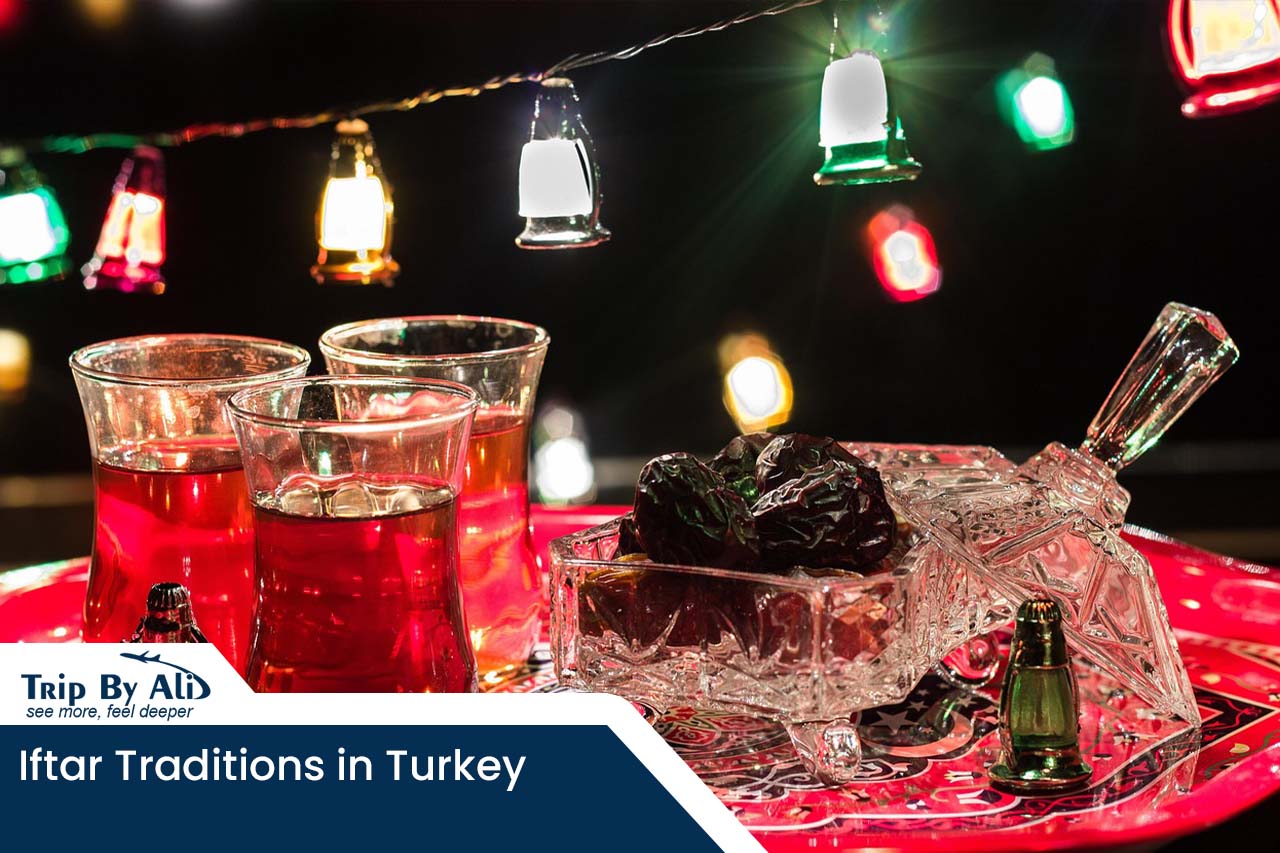
Throughout the year, festivals and public holidays bring culture and society in Turkey into focus. Religious celebrations such as Ramadan and Eid, national commemorations, and seasonal festivals all contribute to the rhythm of public life. Streets become lively with decorations, music, and communal gatherings that highlight shared values and collective memory.
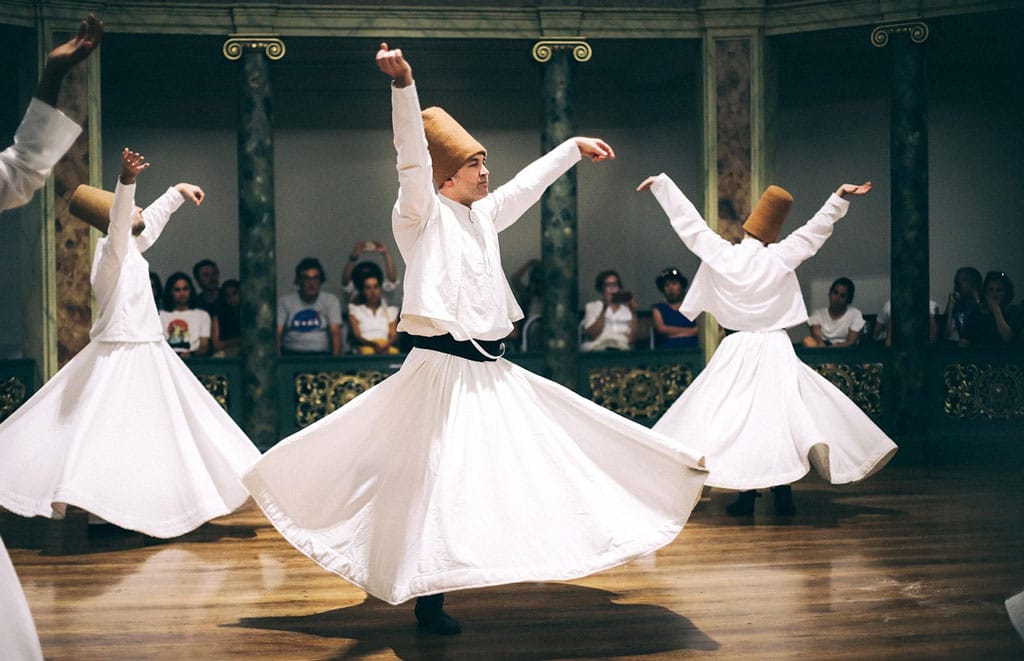
Seasonal traditions also influence food, music, and clothing. Public squares host cultural performances, and families often travel to visit relatives during holiday periods. These moments connect naturally with festivals and public holidays in Turkey, where social customs and national identity come together in visible and meaningful ways.
Discover the Heart of Turkish Culture and Society
From family traditions to seasonal celebrations, explore how everyday life reflects centuries of cultural heritage.
👉 Explore traditional customs and everyday life in TurkeyFood Culture as a Reflection of Social Life
Food culture offers one of the clearest windows into culture and society in Turkey. Meals are rarely rushed, and dining often becomes an extended social activity rather than a quick necessity. Shared plates, tea breaks, and dessert traditions reveal how hospitality and conversation intertwine in daily life.
Street food culture adds another dimension to this experience. Markets, small vendors, and local eateries create informal gathering spaces where people from different backgrounds interact freely. Exploring food traditions and social dining culture in Turkey reveals how cuisine reflects regional identity, historical influence, and evolving urban lifestyles.
Clothing, Fashion, and Personal Expression
Clothing in Turkey reflects diversity rather than uniformity. In large cities, modern fashion trends coexist with traditional styles, creating a visual blend that changes from neighborhood to neighborhood. Some individuals choose modest attire influenced by religious values, while others embrace contemporary fashion inspired by global trends.
This diversity highlights how personal expression forms part of culture and society in Turkey. Clothing becomes a way to communicate identity, beliefs, and lifestyle choices without strict boundaries. Observing daily fashion choices provides insight into how social norms adapt over time while maintaining cultural continuity.
Language, Communication, and Social Interaction
Language plays a powerful role in shaping social interaction in Turkey. Turkish remains the dominant language, yet many regions incorporate local dialects and expressions that reflect historical roots. Communication styles often emphasize warmth, humor, and indirect expression, especially in social settings.
Gestures, tone, and body language carry meaning alongside spoken words. Conversations may include expressive hand movements or changes in vocal rhythm that signal emotion or emphasis. Understanding communication style and everyday conversations in Turkey helps visitors navigate social situations more comfortably and recognize cultural nuances.
Urban Life and Rural Traditions
Culture and society in Turkey differ noticeably between urban centers and rural areas. Cities like Istanbul, Ankara, and Izmir showcase fast-paced lifestyles, international influences, and diverse cultural scenes. Rural regions, on the other hand, often preserve traditional practices related to agriculture, craftsmanship, and community gatherings.
These differences do not represent division but rather the breadth of Turkish cultural identity. Travelers who explore both environments gain a more complete understanding of how modern development and tradition coexist within the same national culture. Observing urban culture and traditional village life in Turkey highlights the contrasts and connections that define everyday experiences.
Modern Trends and Changing Social Values
In recent years, culture and society in Turkey have evolved alongside technological advancement and globalization. Social media, digital communication, and international travel influence how younger generations express identity and maintain relationships. Cafés and co-working spaces reflect new lifestyles, while traditional family gatherings remain central to social structure.
This balance between innovation and heritage allows Turkey to maintain cultural continuity while adapting to global change. Public art, music festivals, and contemporary design trends demonstrate how cultural expression continues to evolve without losing connection to historical roots.
Main Attraction Categories

Explore major celebrations, seasonal traditions, and social gatherings that shape the cultural calendar.
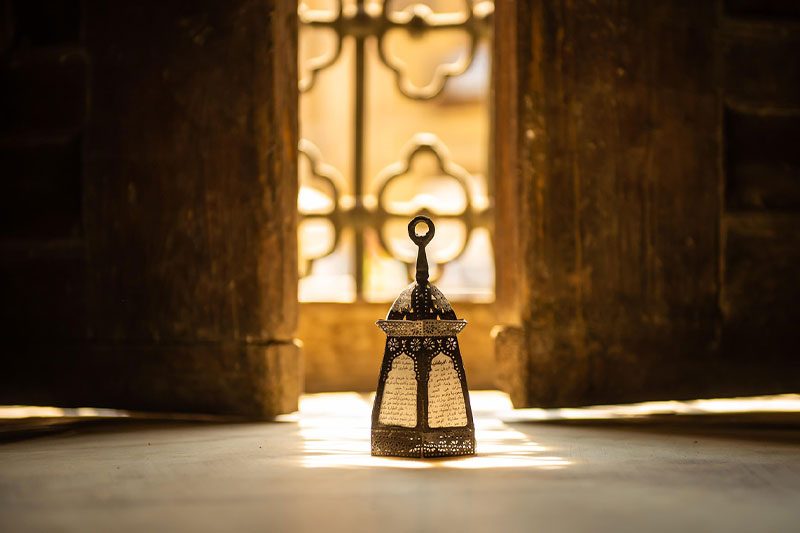
Discover traditions, food culture, and community life during the holy month.
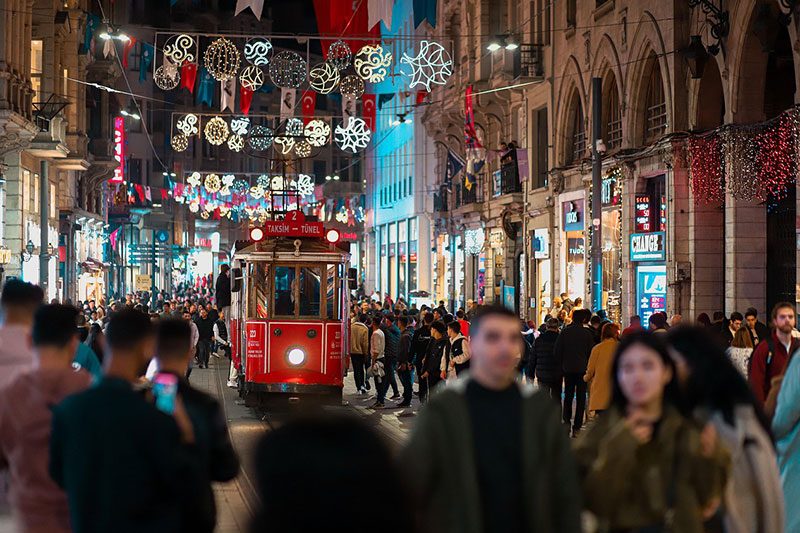
Understand daily behaviors, greetings, and unwritten cultural rules across Turkish society.

Plan Your Istanbul Journey
Need personalized advice or a tailored itinerary? Reach out for expert guidance to make the most of your Istanbul adventure.
FAQ – Culture and Society in Turkey
What defines culture and society in Turkey today?
A blend of historical traditions, modern lifestyles, religious influences, and strong community values shapes contemporary Turkish society.
Is Turkish culture more traditional or modern?
Both elements exist simultaneously, with urban areas reflecting modern trends and many communities maintaining traditional practices.
How important is family in Turkish society?
Family plays a central role in social structure, influencing celebrations, decision-making, and daily interaction.
Do cultural practices vary across regions?
Yes. Regional traditions, food culture, and social customs can differ significantly between coastal cities and inland communities.
Can visitors experience Turkish culture through everyday activities?
Yes. Markets, cafés, festivals, and neighborhood interactions provide natural opportunities to observe cultural life.
More About Turkish Culture
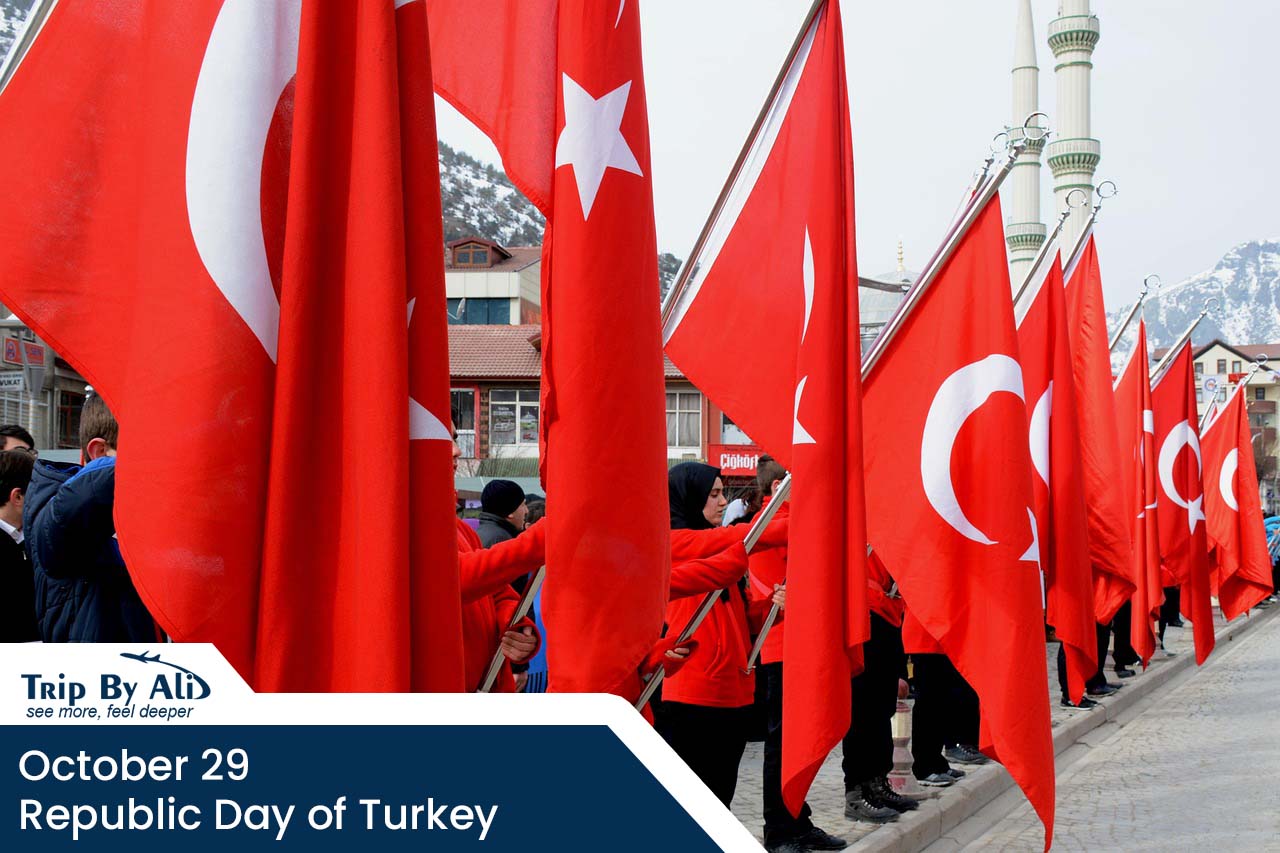
Explore Culture, Traditions, and Social Life Across Turkey
Discover festivals, customs, and seasonal experiences that shape Turkish society throughout the year.
Plan you cultural and social Tour in TurkeyWritten by Ali Rahnama — Local Eco Tour Guide and Travel Storyteller.
Explore my Google Maps contributions •
Discover more at Trip by Ali.