
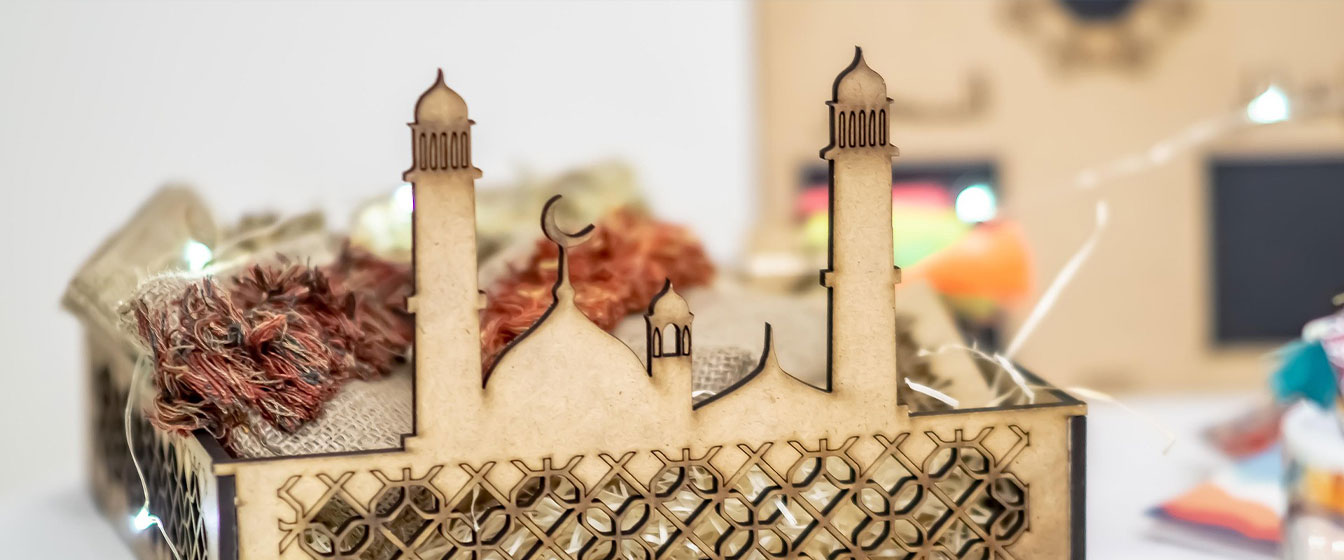
Ramadan in Turkey
Ramadan in Turkey is not only a religious observance but also a deeply rooted cultural and social experience that reshapes daily life across the country for an entire month. During this period, cities slow down during daylight hours and come alive after sunset, creating a distinctive rhythm that visitors immediately notice. From historic mosques and illuminated minarets to communal iftar tables and night markets, Ramadan in Turkey blends faith, tradition, hospitality, and social interaction in a way that feels welcoming even to non-Muslim travelers.
Unlike many destinations where Ramadan is experienced quietly or privately, Turkey presents the holy month openly in public spaces. Streets, squares, mosques, and waterfronts become gathering points after sunset, offering travelers the opportunity to observe and participate respectfully. This visibility makes Ramadan in Turkey especially meaningful for visitors interested in cultural immersion rather than surface-level tourism.
Ramadan as a Living Tradition in Turkish Culture
Ramadan holds a central place within culture and society in Turkey, shaping daily rhythms, social gatherings, and public life across the country. Throughout the holy month, neighborhoods transform as families prepare iftar meals, mosques become focal points for evening prayers, and public spaces fill with shared traditions that reflect both faith and community values. These practices highlight how Ramadan is not only a religious period but also a deeply rooted cultural experience that connects generations and strengthens social bonds. Understanding this broader context becomes easier when exploring culture and society in Turkey travel guide, where the traditions, beliefs, and everyday customs that define Turkish life come together in a wider cultural perspective.
How Daily Life Changes During Ramadan in Turkey
During Ramadan in Turkey, daily routines adjust gradually rather than abruptly. Many restaurants, cafés, and shops remain open during the day in tourist areas, while local neighborhoods tend to slow down until evening. Government offices and some businesses operate on slightly adjusted hours, yet public transportation continues normally, making travel practical throughout the month.
As sunset approaches, the atmosphere shifts. Streets grow quieter, families prepare for iftar, and bakeries fill with people buying freshly baked pide bread. Once the call to prayer signals the end of the daily fast, cities quickly come alive. Parks, squares, and restaurant districts fill with people sharing meals, walking, and socializing late into the night. This transition from calm afternoons to vibrant evenings defines the daily rhythm of Ramadan in Turkey.
Iftar Traditions and Communal Dining Culture
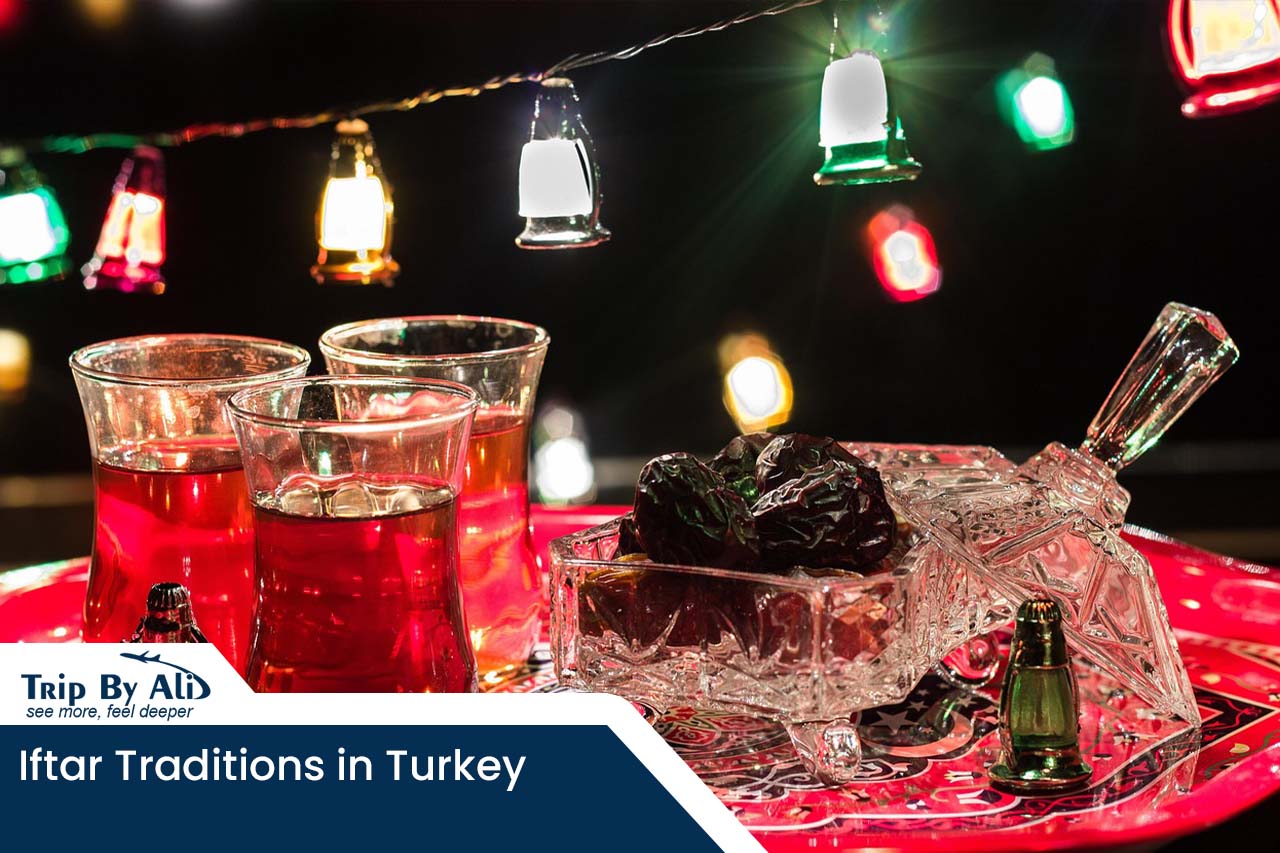
Iftar traditions in Turkey emphasize togetherness and generosity. The meal traditionally begins with dates, olives, water, or soup, followed by a wide variety of home-cooked dishes that reflect regional cuisines. Families gather, neighbors invite one another, and municipalities often set up large communal iftar tables in public spaces, especially in major cities.
In urban centers, especially in Istanbul, public squares host open-air iftar gatherings that welcome locals and visitors alike. These events highlight the inclusive nature of Ramadan in Turkey, where sharing food becomes a social act rather than a private ritual. This strong communal dining culture forms the foundation for deeper exploration through iftar traditions in Istanbul, where historic neighborhoods and waterfront areas host some of the most memorable Ramadan evenings.
Traditional Ramadan Foods and Seasonal Desserts
Food plays a central role in Ramadan in Turkey, with dishes that appear almost exclusively during this month. Special attention is given to balance and nourishment after a long day of fasting, resulting in meals that combine light starters with rich main courses. One of the most recognizable symbols of Ramadan is pide bread, baked fresh daily and sold just before sunset, often forming long queues outside bakeries.
Desserts gain particular importance during this period. Syrup-based sweets, milk desserts, and pastries appear on iftar tables across the country, reflecting both Ottoman culinary heritage and regional variations. Exploring Ramadan desserts in Turkey offers insight into how food traditions preserve cultural memory and seasonal identity, making the holy month a highlight for culinary travelers.
Street Food Culture During Ramadan in Istanbul
Ramadan evenings in Istanbul are closely connected to the city’s vibrant street food culture, especially in the hours following iftar. As families and friends head out for late-night walks, street vendors become an essential part of the Ramadan atmosphere. Snacks such as roasted chestnuts, filled pastries, and simple grilled foods are commonly enjoyed during these evening strolls, creating a casual and social way to extend the night beyond the main meal. This tradition turns ordinary neighborhoods, waterfronts, and historic districts into lively food corridors, making Istanbul street food during Ramadan nights an experience that blends flavor, movement, and community into a single cultural moment.
Signature Desserts Associated with Ramadan in Turkey
Ramadan in Turkey is closely associated with a small group of signature desserts that instantly signal the arrival of the holy month. Sweets such as baklava, with its layered pastry and nut filling soaked in syrup, remain a constant presence on iftar tables across the country. Güllaç holds a special place during Ramadan, as it is traditionally prepared almost exclusively in this period and reflects the lighter, milk-based dessert preference of long fasting days. Alongside these, sütlaç and kadayıf varieties appear frequently, offering both comfort and familiarity through flavors deeply rooted in Turkish culinary tradition. These desserts form the core of Ramadan’s sweet culture and often serve as the starting point for travelers who wish to explore traditional Turkish desserts and sweets in greater depth.
Traditional Ramadan Drinks in Turkey
Ramadan in Turkey also brings a renewed focus on traditional drinks that help people rehydrate and relax after a long day of fasting. Beverages such as sherbet, prepared with fruit, herbs, and subtle spices, appear frequently on iftar tables and during late-night gatherings. These drinks are valued not only for their refreshing taste but also for their connection to Ottoman-era culinary habits. Exploring traditional Ramadan drinks in Turkey adds another sensory layer to the holy month and complements both desserts and street food enjoyed after sunset.
Experience Ramadan in Turkey Beyond Sightseeing
Discover traditions, food culture, night events, and spiritual landmarks that define the holy month across Turkey.
👉 Plan your ramadan tourRamadan Nights, Entertainment, and Cultural Events
Ramadan nights in Turkey are vibrant, social, and deeply rooted in tradition. After iftar, people gather in mosques for evening prayers, while public areas host cultural programs that include music, storytelling, shadow plays, and local performances. These activities are especially visible in historic districts, where Ramadan nights feel festive rather than solemn.
In large cities, Ramadan festivals transform parks and squares into nighttime cultural hubs. Stalls sell traditional snacks, handicrafts, and sweets, while families stroll and socialize until late hours. These experiences form the foundation of Ramadan night events in Turkey, offering travelers a rare chance to witness living traditions rather than staged attractions.
Ramadan Night Markets and Evening Atmosphere
As night falls, many neighborhoods transform into lively spaces filled with temporary stalls, food stands, and small markets that operate specifically during Ramadan. These night markets create a festive environment where families stroll, children play, and vendors offer seasonal snacks and handmade goods. The atmosphere feels relaxed yet energetic, reflecting how Ramadan nights in Turkey balance spirituality with social life. Experiencing Ramadan night markets in Turkey allows visitors to witness everyday traditions unfolding naturally in public spaces.
Mosques, Minarets, and the Spiritual Atmosphere
Mosques play a central role during Ramadan in Turkey, not only as places of worship but also as cultural landmarks that define the spiritual atmosphere of the month. Many historic mosques illuminate their minarets with messages called mahya, creating striking visual displays that connect religious expression with architectural heritage.
Visitors are welcome to enter mosques outside prayer times, provided they dress modestly and behave respectfully. Observing evening prayers or simply walking through mosque courtyards during Ramadan nights allows travelers to experience the quieter, reflective side of the holy month, balancing the lively public celebrations found elsewhere.
Eid al-Fitr in Turkey and Public Holidays
The end of Ramadan is marked by Eid al-Fitr, one of the most important holidays in Turkey. Known locally as Ramazan Bayramı, this celebration typically lasts several days and includes public holidays, family visits, and widespread travel. Streets fill with festive energy as people visit relatives, exchange sweets, and celebrate together.
During this period, domestic travel increases significantly, and popular destinations may experience higher demand. Understanding Eid al-Fitr holidays in Turkey is essential for travelers planning trips around this time, as transportation and accommodation availability can change quickly.
Why Ramadan in Turkey Attracts Cultural and Religious Tourism
Ramadan in Turkey holds strong appeal for cultural and faith-based travelers seeking meaningful experiences rather than conventional sightseeing. The combination of visible traditions, public celebrations, food culture, and spiritual atmosphere creates an environment that feels authentic and immersive.
For many visitors, Ramadan becomes a gateway to understanding Turkish society at a deeper level. The emphasis on hospitality, community, and shared experience leaves a lasting impression that extends beyond the holy month itself.
Traveling in Turkey During Ramadan: What Visitors Should Know
Visitors are not expected to fast, but respectful behavior in conservative areas is appreciated, especially regarding eating or drinking in public during daylight hours. Understanding these cultural nuances enhances the travel experience and allows visitors to engage more thoughtfully with local customs during Ramadan in Turkey.
Traveling during Ramadan in Turkey remains comfortable and accessible for international visitors. Tourist infrastructure continues to operate, hotels maintain regular services, and transportation networks function without disruption. Travelers who understand the daily rhythm of fasting and evening activity can plan sightseeing during the day and enjoy cultural experiences after sunset.
Experiencing Ramadan in Turkey as a Visitor
For visitors, Ramadan in Turkey offers an opportunity to engage with local culture beyond typical sightseeing. Travelers often find that evenings provide the richest experiences, from joining public iftar gatherings to walking through illuminated streets and markets. Understanding local rhythms and respecting customs helps visitors feel welcome and comfortable throughout the month. This perspective connects naturally to experiencing Ramadan in Turkey as a traveler, where observation, participation, and cultural curiosity come together.
Respectful Travel During Ramadan: Cultural Etiquette and Awareness
Traveling during Ramadan in Turkey offers meaningful cultural experiences, yet it also requires awareness of local customs, especially in historic districts, traditional neighborhoods, and areas surrounding mosques. In older quarters where daily life follows a more conservative rhythm, visitors may notice quieter streets during fasting hours and increased religious activity close to sunset and during evening prayers. Dressing modestly, keeping noise levels low, and avoiding eating or drinking openly near mosques during the day helps maintain a respectful atmosphere.
Inside and around religious sites, particularly during prayer times, movement slows and social behavior becomes more formal. Visitors should remain mindful of prayer schedules, avoid blocking entrances or walkways, and keep conversations quiet when people gather for worship. Photography should be discreet and never interrupt those engaged in prayer. Understanding these simple cultural expectations allows travelers to move comfortably through sacred spaces while respecting the spiritual environment that defines Ramadan in Turkey.
Main Ramadan Attractions

The end of Ramadan is marked by Eid al-Fitr, one of the most important holidays in Turkey.
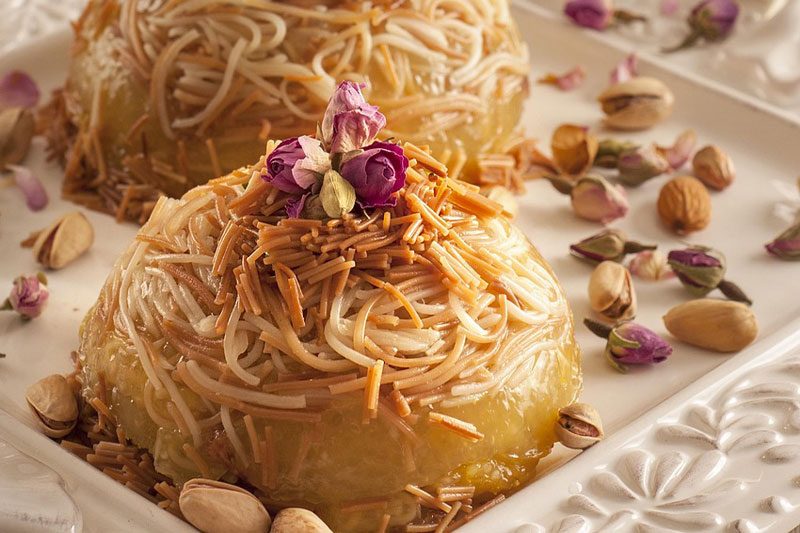
Ramadan desserts in Turkey are not just a finishing touch after iftar; they are part of the season’s identity.
Plan Your Istanbul Journey
Need personalized advice or a tailored itinerary? Reach out for expert guidance to make the most of your Istanbul adventure.
FAQ – Ramadan in Turkey Travel Guide
Is Ramadan in Turkey suitable for non-Muslim travelers?
Yes. Ramadan in Turkey is openly experienced in public spaces, and visitors are welcome to observe traditions respectfully.
Do restaurants close during Ramadan?
Many restaurants remain open, especially in tourist areas, while others focus on evening service during iftar hours.
What is the best city to experience Ramadan in Turkey?
Istanbul offers the most diverse Ramadan atmosphere, combining historic mosques, public events, and large communal iftar gatherings.
How long does Eid al-Fitr last in Turkey?
Eid al-Fitr usually lasts several days and includes official public holidays.
Should travelers avoid Turkey during Ramadan?
No. Ramadan offers a unique cultural perspective and remains a rewarding time to visit Turkey.
More About Turkish Culture
Plan Your Journey Around Ramadan in Turkey
Get cultural insights, seasonal guides, and travel inspiration for experiencing Turkey during the holy month.
Plan your ramadan tourWritten by Ali Rahnama — Local Eco Tour Guide and Travel Storyteller.
Explore my Google Maps contributions •
Discover more at Trip by Ali.