
The Heart of the Table: Exploring the Rich Turkish Food Culture

Guide to Turkish Food Culture

Food is much more than just a meal in Türkiye (formerly known as Turkey); it is a profound expression of hospitality, history, and social connection. When you visit this beautiful country, you are not just tasting ingredients; you are experiencing centuries of Ottoman heritage mixed with Central Asian, Middle Eastern, and Balkan influences. The Turkish food culture is a vibrant mosaic that dictates the rhythm of daily life, from the early morning tea to the late-night street food excursions. Understanding these traditions will transform your travel experience, allowing you to dine like a local and appreciate the deep-rooted rituals that make every bite in Türkiye so special.

The Culinary Heritage: A Mirror of National Identity

The traditional food culture of Türkiye  is a vibrant tapestry woven from centuries of imperial history, diverse geography, and the deep-seated warmth of its people. To step into a local kitchen or sit at a crowded breakfast table is to experience more than just a meal; it is an immersion into a living heritage where recipes are passed down like sacred heirlooms. Every spice, every slow-cooked stew, and every cup of tea tells a story of a civilization that has mastered the art of gathering people around a shared table to celebrate life’s simple pleasures.

This culinary richness is not an isolated phenomenon; it is a direct reflection of the country’s complex social fabric and historical evolution. The way people eat, the etiquette of the dinner table, and the hospitality extended to strangers are all intrinsic parts of the broader national character. To truly grasp the values and traditions that shape these dining rituals, it is essential to explore the foundations of the Complete Guide to the Culture and Society of Türkiye, where the connection between the land, its history, and its people becomes clear.

A Fusion of Continents: What Makes Turkish Cuisine Unique?

The uniqueness of the culinary landscape in Türkiye stems from its strategic position as a bridge between Europe and Asia. For centuries, the Silk Road brought exotic spices, diverse cooking techniques, and unique ingredients through Anatolia. This geographical advantage allowed the imperial kitchens of the Ottoman Empire to refine and blend various food cultures into what we now recognize as one of the world’s leading cuisines.

Unlike many Western food cultures that rely heavily on heavy sauces, Turkish cooking prioritizes the natural flavors of the ingredients. Whether it is the richness of Anatolian olive oil, the freshness of Aegean herbs, or the intensity of sun-dried spices from the Southeast, the focus remains on seasonal harmony. This respect for nature means that the Turkish food culture changes its colors and flavors throughout the year, offering travelers a different experience in every season.

The Art of Turkish Breakfast (Kahvaltı): A World Champion Experience

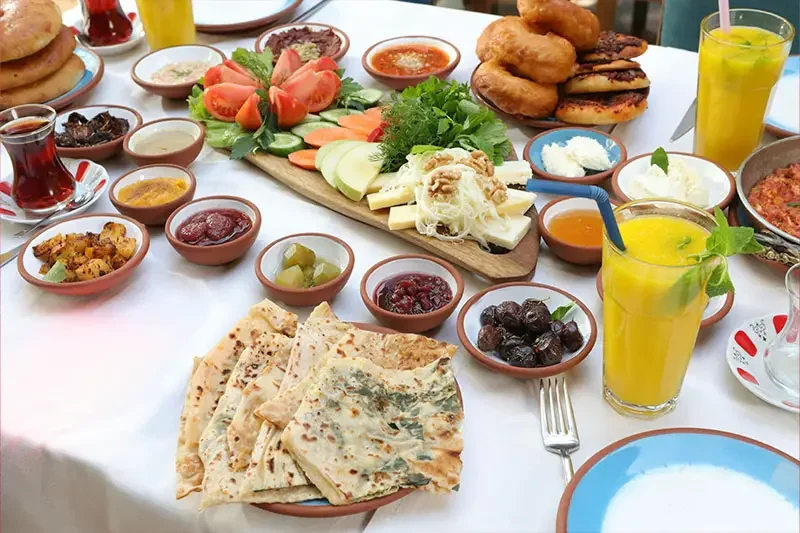
If there is one meal that defines the social fabric of the country, it is undoubtedly the Turkish breakfast. Known locally as Kahvaltı, which literally translates to “before coffee,” this meal is an elaborate ceremony rather than a quick morning bite. In fact, the global recognition of this tradition reached a new peak recently when the prestigious food guide TasteAtlas ranked the Turkish breakfast as the number one breakfast in the world.

This world-champion status is well-deserved. A typical spread includes various types of olives from the Aegean coast, fresh cucumbers and tomatoes, a selection of cheeses (from Beyaz Peynir to Kaşar), and the legendary Kaymak (clotted cream) with honey. However, it is the variety and the “slow-dining” aspect that truly sets it apart. The Turkish breakfast is a time for families and friends to gather for hours, sipping endless glasses of black tea while sharing small plates of eggs with spicy sausage (Sucuklu Yumurta) or the famous tomato and pepper scramble known as Menemen. For any traveler, experiencing a full Turkish breakfast is a mandatory ritual to understand the generosity of the local culture.

Dining Etiquette: More Than Just a Meal

In the Turkish food culture, how you eat is as important as what you eat. Dining is a communal activity meant to strengthen bonds between family, friends, and even strangers. If you are invited to a local home in Türkiye, you will notice that the host will persistently offer more food—this is a sign of generosity and respect. It is customary to finish everything on your plate, and saying “Afiyet Olsun” (May it be good for you) at the start or end of a meal is an essential social lubricant.

The Social Heartbeat: Understanding the Cafe and Restaurant Culture

To truly immerse yourself in the Turkish food culture, you must step away from the tourist-heavy districts and find where the locals eat. The dining landscape in Türkiye  is built on different types of establishments, each with its own set of rules and charms.

One of the most authentic experiences you can have is at an Esnaf Lokantası (Tradesmen Restaurant). These are the pillars of the Turkish food culture, serving home-cooked meals at affordable prices. There is usually no printed menu; instead, you walk up to a steam table and point at the vibrant stews, pilafs, and olive oil dishes (Zeytinyağlılar) that catch your eye. It is a fast-paced yet incredibly welcoming environment where the quality of the food is the only thing that matters.

The modern cafe culture, especially in cities like Izmir and Istanbul, has evolved into a blend of traditional hospitality and Third Wave coffee shops. However, the quintessential Turkish experience remains the Meyhane. These are traditional taverns where small plates of Meze are served alongside music and deep conversation. Understanding the nuances of these dining spots—from knowing when to tip to understanding the “order of service”—is key for any tourist looking to integrate into the local lifestyle.

On the other end of the spectrum, the modern cafe culture has taken the country by storm. Especially in Istanbul, Izmir, and Ankara, the “Third Wave” coffee movement has merged with traditional hospitality. However, the quintessential afternoon ritual remains the same: hours of conversation over a single cup of Turkish coffee. In this culture, the coffee is never just about caffeine; it is about the “fortune” told from the grounds and the social bond shared between the drinkers. This is why the famous Turkish proverb says, “A cup of coffee is remembered for forty years.”

The Foundation of Flavor: Essential Ingredients in Türkiye

Before diving into specific dishes, it is essential to understand the fundamental ingredients that give the local cuisine its distinct character. These “building blocks” are the secret behind the rich aromas and vibrant colors you will encounter on every table across Türkiye (formerly known as Turkey).

Olive Oil (Zeytinyağı)
The soul of Aegean and Mediterranean cooking.

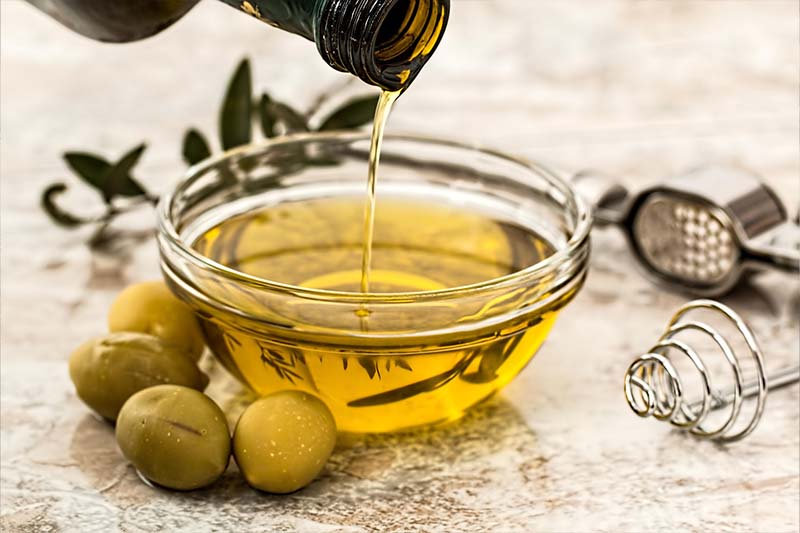
1-Olive Oil (Zeytinyağı)

The soul of Aegean and Mediterranean cooking. It is not just a cooking medium but a key flavor enhancer used in a whole category of cold vegetable dishes known as Zeytinyağlılar.
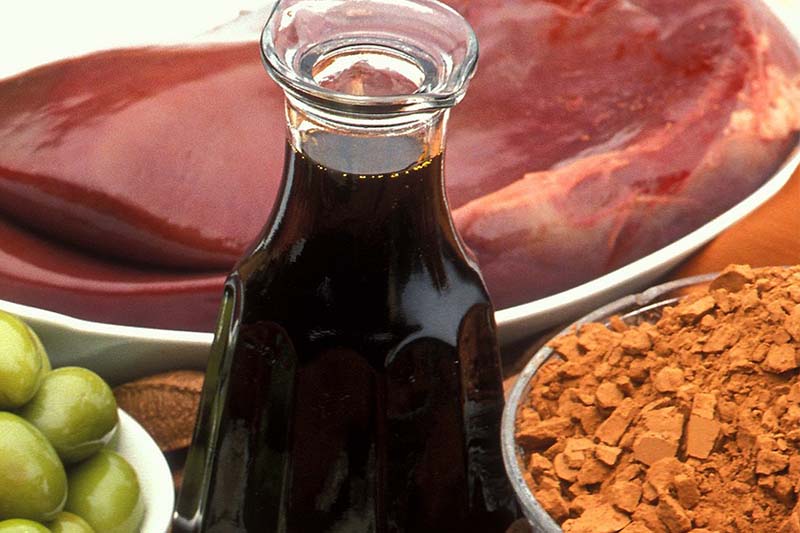
Pomegranate Molasses (Nar Ekşisi)
A thick, tangy, and slightly sweet syrup made from reduced pomegranate juice

2-Pomegranate Molasses (Nar Ekşisi)

A thick, tangy, and slightly sweet syrup made from reduced pomegranate juice. It is the star of many salads and appetizers, providing a deep acidity that balances rich meats.
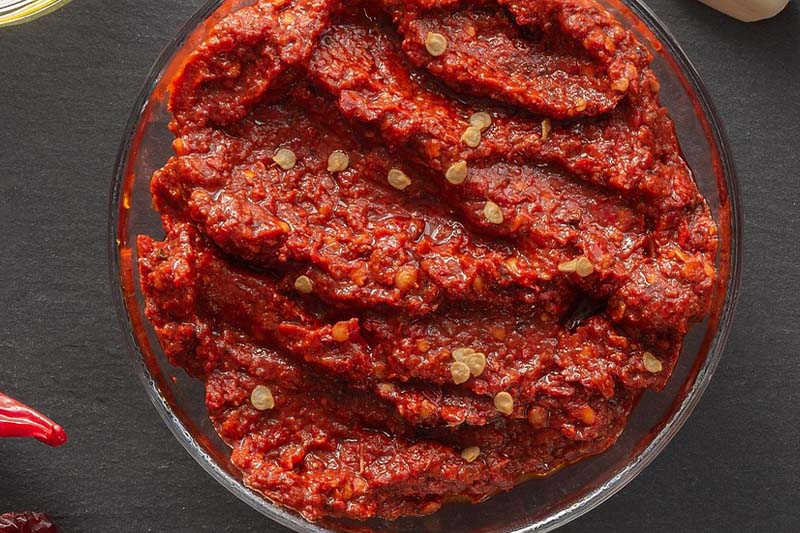
Red Pepper Paste (Salça)
The soul of Aegean and Mediterranean cooking.

3-Red Pepper Paste (Salça)

The soul of Aegean and Mediterranean cooking. It is not just a cooking medium but a key flavor enhancer used in a whole category of cold vegetable dishes known as Zeytinyağlılar.
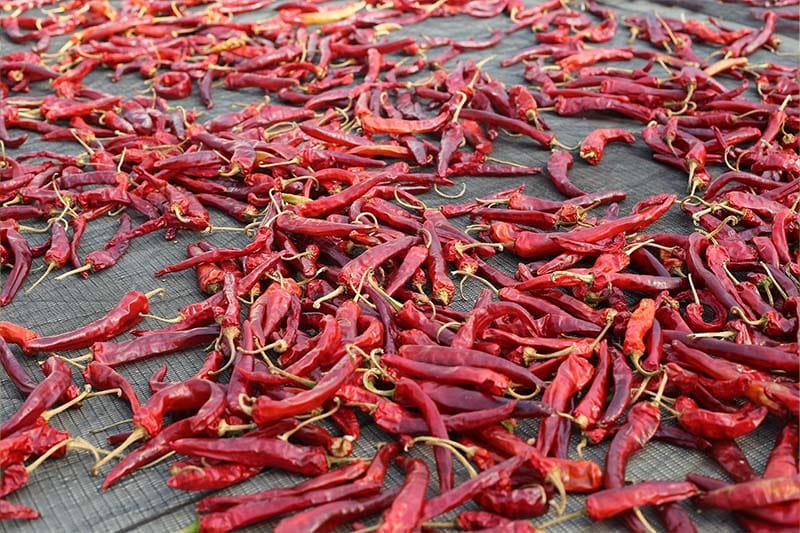
Sumac and Pul Biber
hese are the essential table spices; Sumac provides a lemony tartness to onions and salads

4-Sumac and Pul Biber

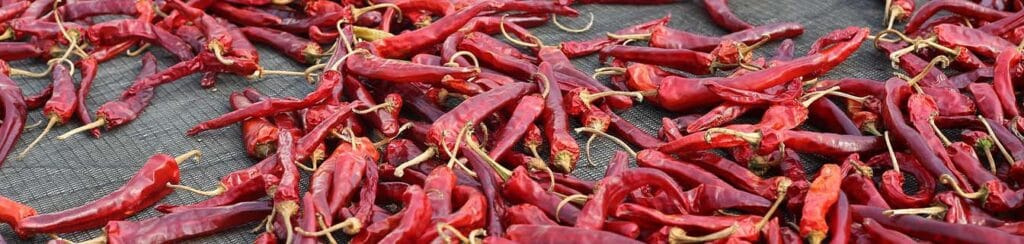
These are the essential table spices; Sumac provides a lemony tartness to onions and salads, while Pul Biber (Aleppo pepper) adds a mild, oily heat to kebabs and soups.
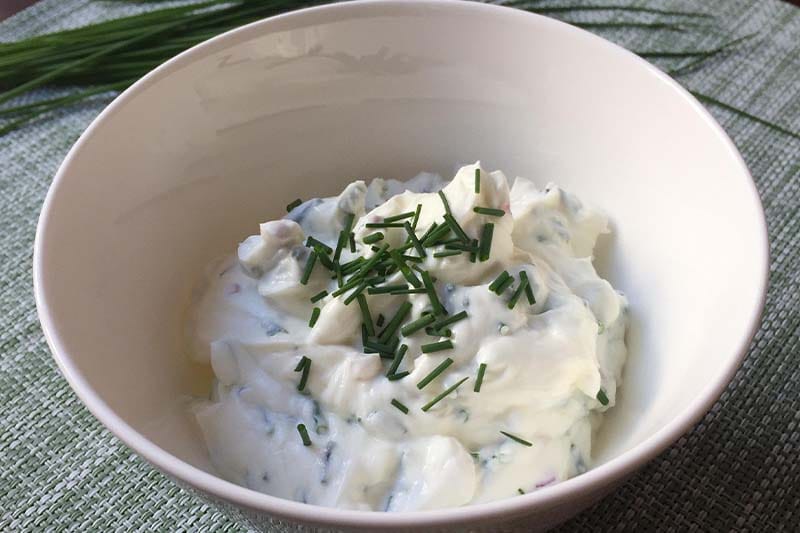
Strained Yogurt (Süzme Yoğurt)
Thicker and creamier than regular yogurt

5-Strained Yogurt (Süzme Yoğurt)

Thicker and creamier than regular yogurt, it serves as the base for countless mezze dishes and cooling sauces, acting as a bridge between bold spices and the palate.

These ingredients form the foundation of every recipe, ensuring a balance of fresh, earthy, and tangy notes in every bite. To explore the world of exotic spices and where to buy them in historic bazaars, check out our Detailed Guide to Essential Spices and Ingredients in Turkish Cooking.

The Sacred Role of Bread in the Local Daily Life

In the heart of the local culinary tradition, bread is far more than a simple accompaniment to a meal; it is a sacred symbol of labor and life. Known as the “blessing” (bereket) of the table, it is treated with immense respect, and it is a common sight to see people carefully picking up a piece of fallen bread from the ground to place it on a higher ledge. This deep-rooted reverence stems from a history where grain was the primary source of survival, making the bakery (fırın) the most essential landmark in every neighborhood.

The diversity of bread reflects the geographical richness of the Anatolian landscape, ranging from the thick, crusty loaves of the Black Sea to the paper-thin flatbreads of the southeastern plains. Whether it is used to scoop up a rich vegetable stew or served as a fresh vessel for a morning cheese spread, bread remains the indispensable anchor of every breakfast, lunch, and dinner. To discover the fascinating history of ancient grains and the regional secrets of the dough, visit our Ultimate Guide to the Traditional Breads and Pastries of Türkiye.

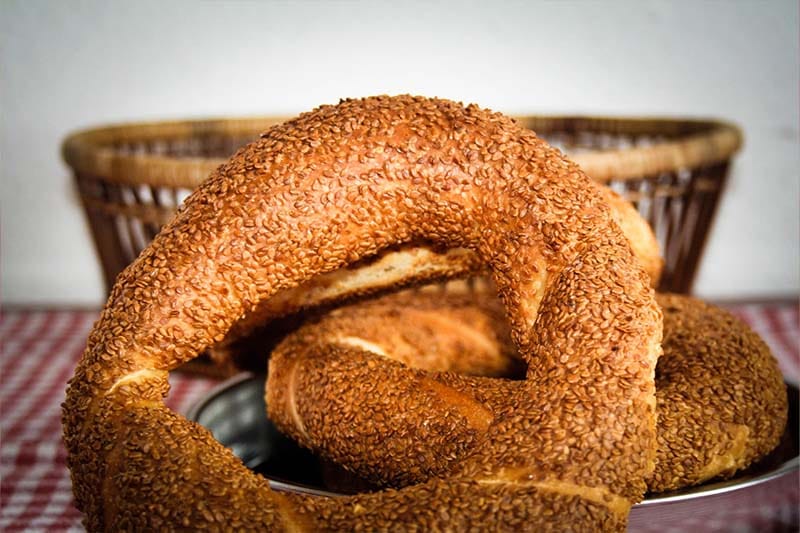
Simit
Often called the "Turkish bagel," this sesame-crusted circular bread

1-Simit

Often called the "Turkish bagel," this sesame-crusted circular bread is the ultimate street food icon, offering a perfect crunch on the outside and a soft, chewy interior.
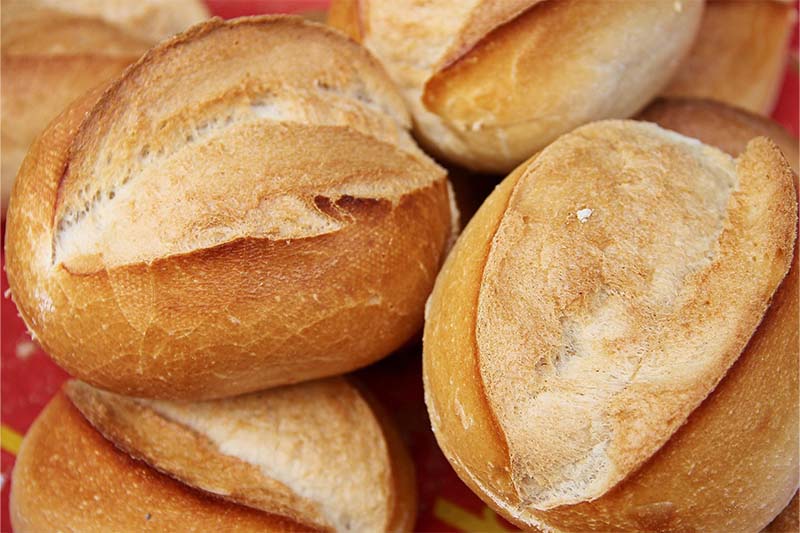
Ekmek
The daily staple found on every table; a fresh, white leavened bread with a golden crust

2-Ekmek (Standard Loaf)

The daily staple found on every table; a fresh, white leavened bread with a golden crust that is traditionally bought twice a day to ensure it is always served warm.
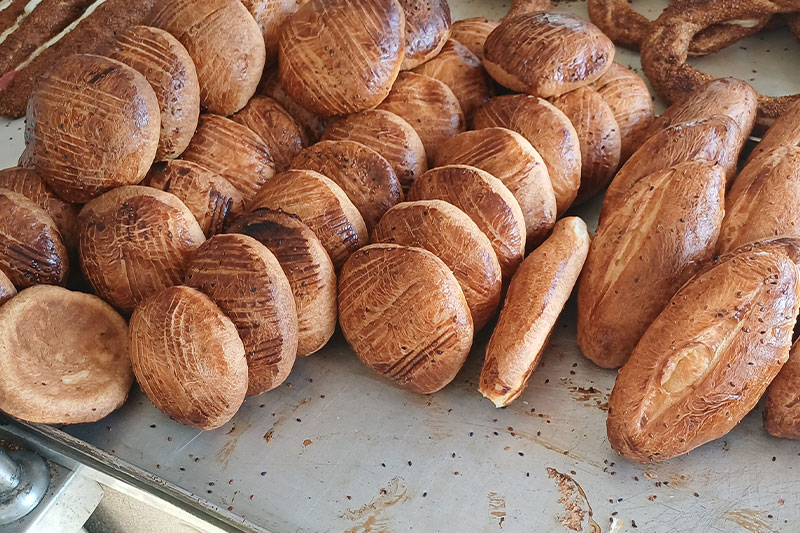
Poğaça
savory, pillowy pastry often stuffed with feta cheese

3-Poğaça

A savory, pillowy pastry often stuffed with feta cheese, minced meat, or olives, making it a favorite quick breakfast for those on the go.
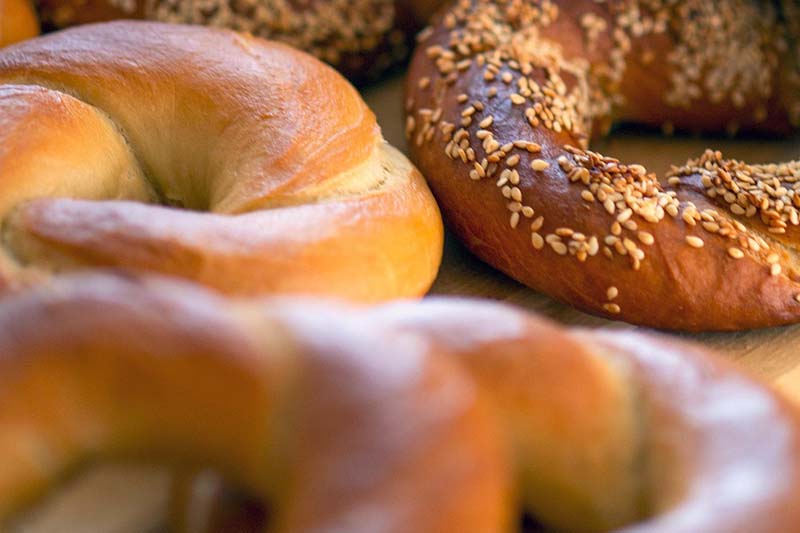
Açma
A softer, slightly oily, and braided bread that resembles a savory donut

4-Açma

A softer, slightly oily, and braided bread that resembles a savory donut, known for its buttery texture that melts in the mouth.
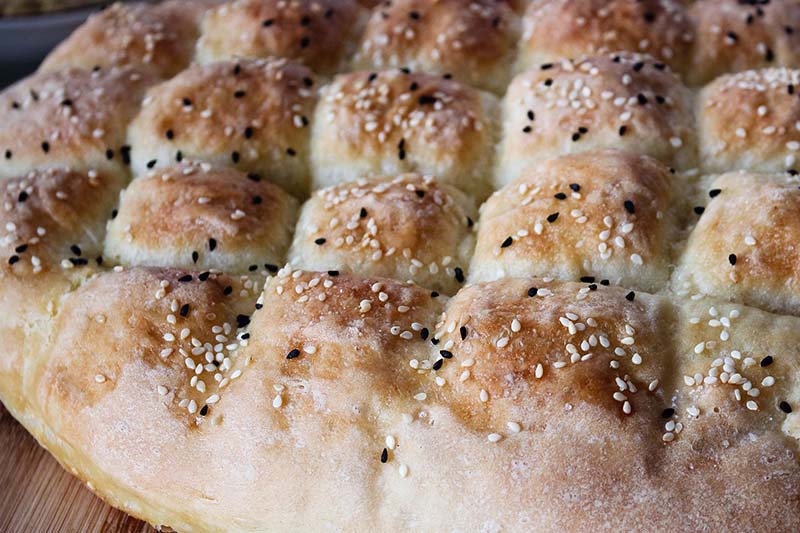
Ramazan Pidesi
A seasonal masterpiece characterized by its circular shape and hand-pressed "baklava pattern

5-Ramazan Pidesi

A seasonal masterpiece characterized by its circular shape and hand-pressed "baklava pattern," traditionally decorated with nigella and sesame seeds during the holy mont( See more about Ramazan pidesi ).
The Art of Mezze: Small Plates, Big Flavors

In the local dining culture, the concept of Mezze represents far more than just a collection of appetizers; it is a celebration of variety and social connection. These small, vibrant plates are designed to be shared slowly among friends and family, often turning a simple meal into a multi-hour experience of tasting and conversation. From the coastal taverns of the Aegean to the bustling kebap houses of the southeast, the mezze tray is the colorful opening act that sets the stage for everything to follow.

The beauty of these dishes lies in their seasonal freshness and the balance of contrasting textures—creamy yogurts, crunchy nuts, roasted vegetables, and zesty citrus notes. Whether served cold as a refreshing start or warm to provide a comforting bite, each plate tells a story of regional ingredients and historical influences. To explore the secret recipes of these small wonders and the best places to enjoy a traditional “Mezze Table,” visit our Complete Guide to the Must-Try Mezzes and Small Plates of Türkiye.

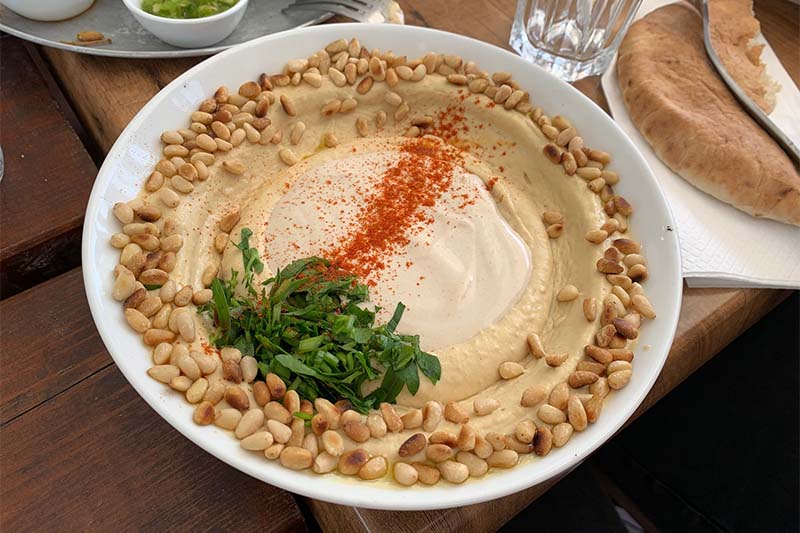
Hummus
A globally beloved creamy blend of chickpeas and tahini

1-Hummus

A globally beloved creamy blend of chickpeas and tahini, often elevated in the local style with a drizzle of hot butter and a sprinkling of pastırma (cured beef).

Haydari
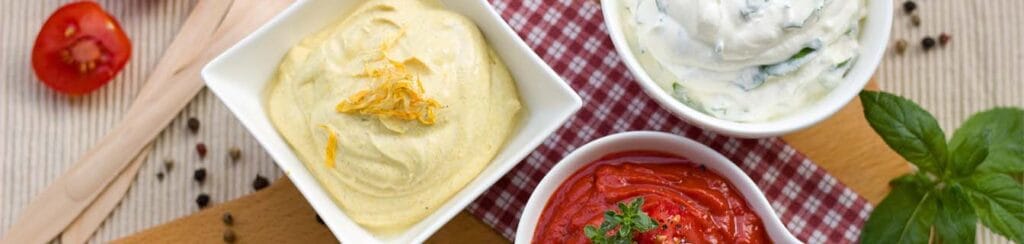
A thick, strained yogurt dip infused with fresh dill, garlic, and dried min

2-Haydari

A thick, strained yogurt dip infused with fresh dill, garlic, and dried mint, providing a cooling contrast to spicy main courses and grilled meats.

Şakşuka
A vibrant medley of sautéed eggplant, peppers, and zucchini smothered in a rich

3-Şakşuka

A vibrant medley of sautéed eggplant, peppers, and zucchini smothered in a rich, garlicky tomato sauce, showcasing the best of summer vegetables.

Muhammara
A bold and spicy walnut and red pepper dip from the southeastern regions

4-Muhammara

A bold and spicy walnut and red pepper dip from the southeastern regions, known for its deep crimson color and complex sweet-savory profile.

Deniz Börülcesi (Sea Beans)
coastal specialty consisting of blanched samphire seasoned with plenty of garlic

5-Deniz Börülcesi (Sea Beans)

A coastal specialty consisting of blanched samphire seasoned with plenty of garlic and high-quality olive oil, representing the essence of the Aegean sea.
Confused About Where to Find the Best Mezzes?

Don't settle for tourist traps. Ask me for the most authentic local spots hidden in the backstreets of Istanbul and beyond.

👉 Message Ali on WhatsApp

Turkish Soups: A Warm Start to Every Meal

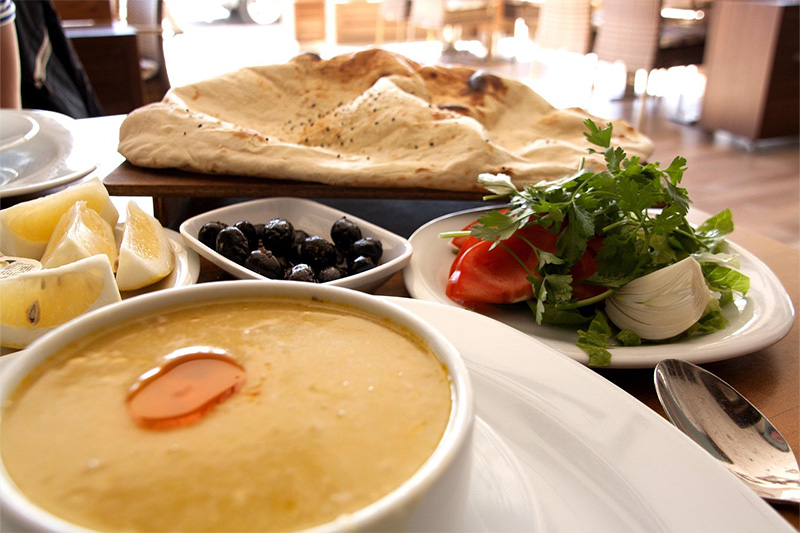
In the heart of the local food culture, soup is more than just a starter; it is a comforting ritual that spans from early morning breakfasts to late-night cravings. Whether served in a rustic roadside rest stop or a fine-dining establishment, these liquid gold bowls are often accompanied by fresh, crusty bread and a squeeze of lemon.

Mercimek Çorbası (Lentil Soup)
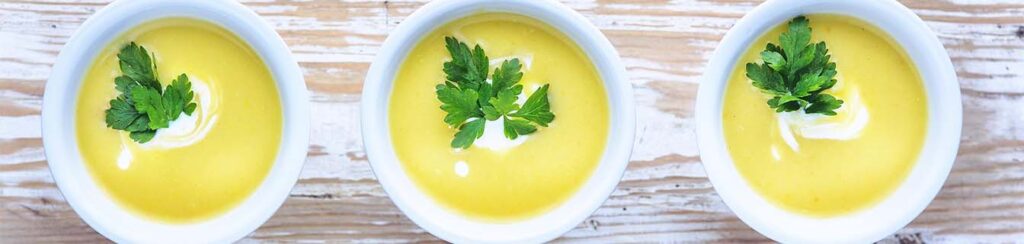
This smooth, yellow or red lentil purée

1-Mercimek Çorbası (Lentil Soup)

The ultimate Turkish classic. This smooth, yellow or red lentil purée is seasoned with cumin and served with a side of lemon and a drizzle of chili-infused melted butter.
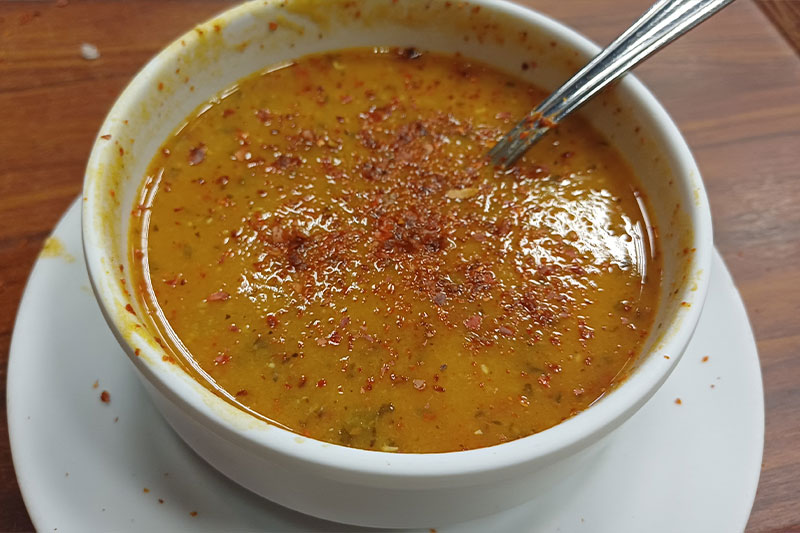
Ezogelin Çorbası
A hearty "bride's soup" made from red lentils, bulgur, and dried mint,

2-Ezogelin Çorbası

A hearty "bride's soup" made from red lentils, bulgur, and dried mint, offering a more textured and herbal profile than the standard lentil version.

Tarhana Çorbası
One of the world's oldest instant soups, made from a fermented and dried mixture of grain and yogurt

3-Tarhana Çorbası

One of the world's oldest instant soups, made from a fermented and dried mixture of grain and yogurt, providing a unique tangy and savory flavor.

İşkembe Çorbası
A legendary late-night remedy, this garlic and vinega

4-İşkembe Çorbası

A legendary late-night remedy, this garlic and vinegar-heavy soup is famously consumed by locals to restore energy and aid digestion.
The variety doesn’t end there, as regional kitchens offer seasonal delights such as Yayla Çorbası (Yogurt Soup), Beyran, Domates Çorbası, and Kelle Paça. Each bowl reflects the seasonal availability of ingredients and the historical culinary wisdom of Anatolia. To discover the healing properties and the most authentic spots to try these bowls, visit our [Guide to Traditional Turkish Soups and Local Favorites].

Culinary Tourism: Food as a Major Attraction in Türkiye and Istanbul

For the modern traveler, Türkiye is much more than a collection of ancient ruins; it is a living, breathing kitchen that serves as a primary reason for visiting. Culinary tourism here offers an immersive journey into the history of the land, especially in regions like Gaziantep, which is recognized by UNESCO for its extraordinary gastronomy. In these areas, food acts as the main economic and social driver, where visitors can witness the meticulous harvest of pistachios or watch masters roll baklava dough so thin it becomes translucent.

In Istanbul, this experience often takes the form of “Street Food Safaris,” where travelers cross the Bosphorus to taste the iconic Balık Ekmek (fish sandwiches) in Eminönü or wander through the Kadıköy market to sample artisan olives and local honey. By focusing on these authentic experiences, TripByAli helps you connect with local artisans who have preserved these recipes for generations. Exploring the food culture through these guided tours is the best way to understand the heart of Anatolia, proving that the true essence of travel often lies far beyond what is simply served on the plate.

Must-Try Dishes: A Journey Through Turkish Flavors

The culinary landscape of Türkiye is a vast tapestry of tastes, where every bite tells a story of geography and history. To truly appreciate this diversity, there are several iconic dishes that every traveler must experience. These range from the succulent meats of the Southeast to the delicate olive-oil-based creations of the Aegean coast.

Döner Kebab
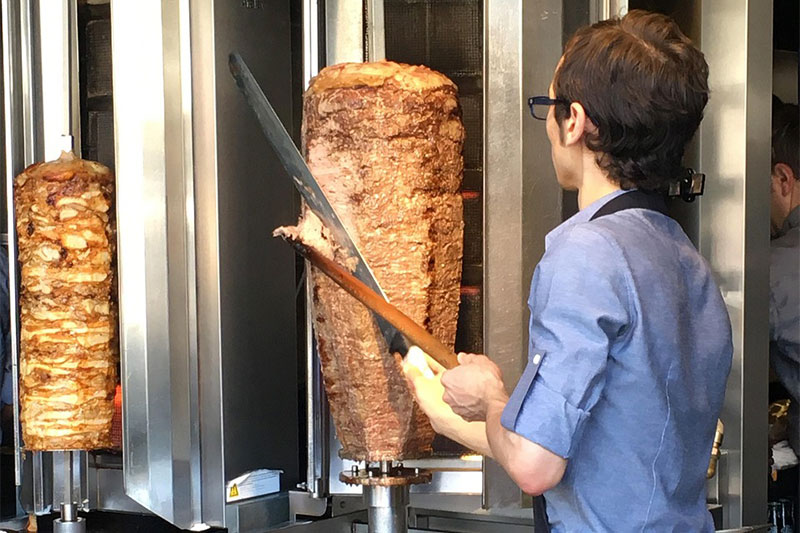
Turkish Döner, made from high-quality meat seasoned with suet and local herbs

1-Döner Kebab

The authentic Turkish Döner, made from high-quality meat seasoned with suet and local herbs, is a world away from the fast-food versions found abroad. Whether served in a wrap (Dürüm) or as a plated meal, the traditional Döner remains a symbol of Turkish hospitality and street food mastery.
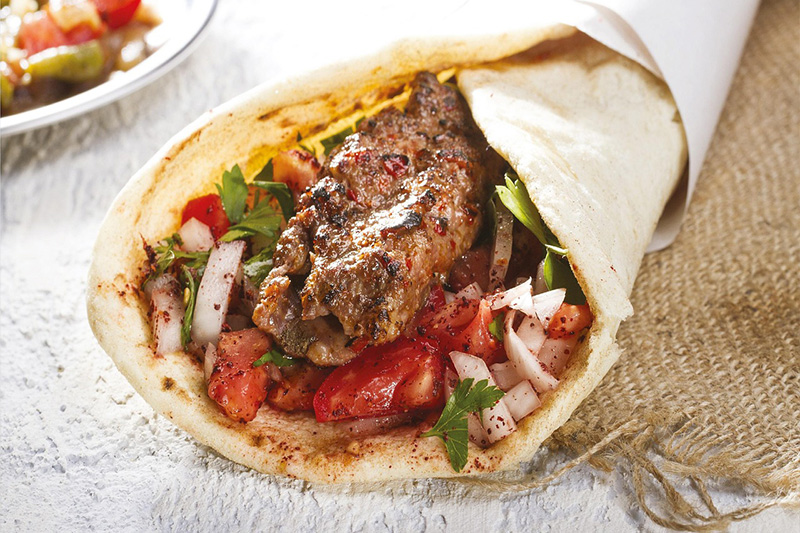
Kebabs
Kebabs in Türkiye are much more than just grilled meat;

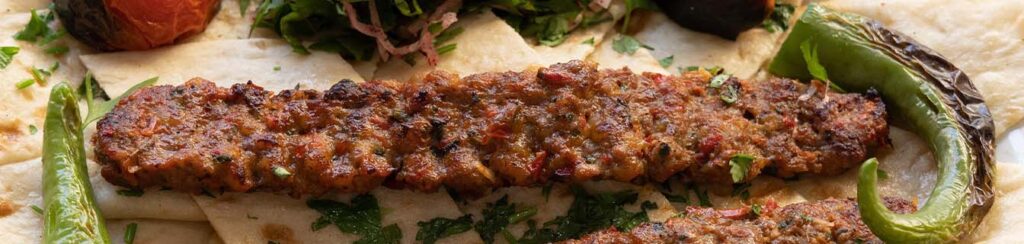
2-Kebabs

Kebabs in Türkiye are much more than just grilled meat; they are a culinary craft perfected over centuries. From the spicy, hand-minced Adana Kebab to the legendary İskender Kebab, served over pieces of pide bread with hot tomato sauce and melted butter, each style tells a story of its region. For a traveler, tasting these various styles is essential to understanding the local diversity.
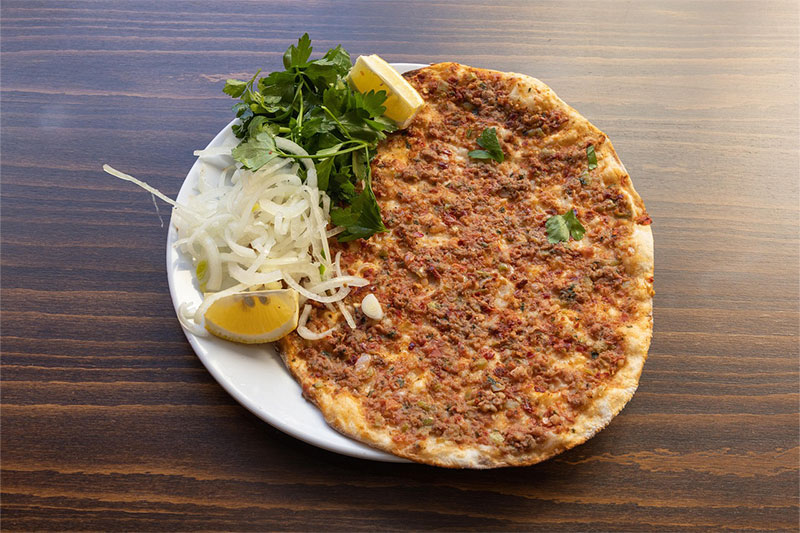
Lahmacun
thin, crispy dough is topped with a flavorful mixture of minced meat, vegetables, and herbs

3-Lahmacun

Often called "Turkish Pizza," this thin, crispy dough is topped with a flavorful mixture of minced meat, vegetables, and herbs. The traditional way to eat it is by topping it with fresh parsley, a squeeze of lemon, and rolling it up.

Manti
handmade dumplings filled with ground meat or chickpeas, served with a generous dollop of garlic yogurt and drizzled with melted butter and red pepper oil

4-Manti

These are tiny, handmade dumplings filled with ground meat or chickpeas, served with a generous dollop of garlic yogurt and drizzled with melted butter and red pepper oil. In the Turkish food culture, the smaller the manti, the more skillful the cook is considered to be.
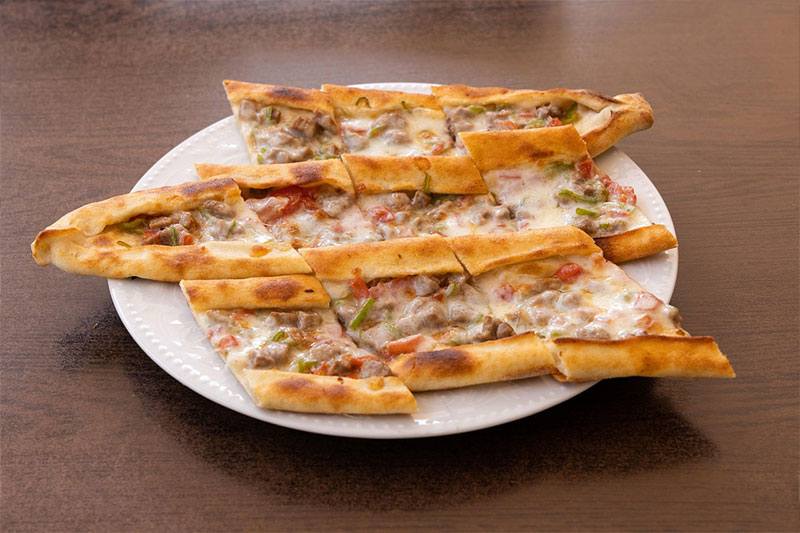
 pide isOften described as the Turkish pizza
pide or Turkish pizza, this boat-shaped leavened bread is a versatile staple that varies in toppings from region to region

5-Pide

Often described as the "Turkish pizza," this boat-shaped leavened bread is a versatile staple that varies in toppings from region to region. The dough is hand-stretched and typically loaded with a savory mixture of minced meat, spicy sucuk, or melting cheese, then baked in a high-heat stone oven until the edges are perfectly crisp and golden. For many, the highlight of the meal is the variety of combinations possible, such as Kuşbaşılı with small cubes of seasoned beef or Kıymalı with onions and peppers, making it a beloved comfort food for lunch or dinner.
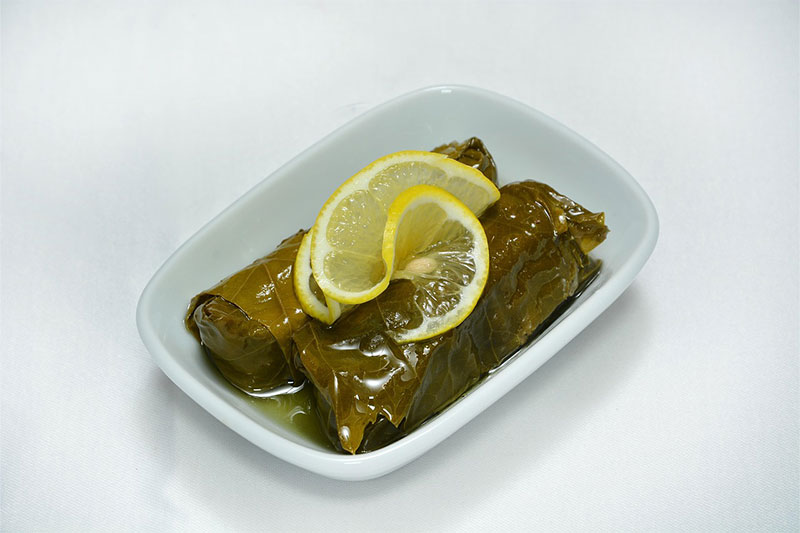
Dolma and Sarma
These dishes represent the patience of the Turkish kitchen. Dolma refers to vegetables (like peppers or eggplants) stuffed with a rich filling, while Sarma involves delicately rolling grape leaves around a mixture of rice or meat

6-Dolma and Sarma

These dishes represent the patience of the Turkish kitchen. Dolma refers to vegetables (like peppers or eggplants) stuffed with a rich filling, while Sarma involves delicately rolling grape leaves around a mixture of rice or meat. Served either warm with meat or cold with olive oil (Zeytinyağlı), they are the ultimate Mediterranean comfort food.

Hünkar Beğendi
royal dish represents the pinnacle of Ottoman palace cuisine

7-Hünkar Beğendi

This royal dish represents the pinnacle of Ottoman palace cuisine, featuring a bed of creamy, smoky roasted eggplant purée mixed with melted kaşar cheese and a rich béchamel sauce. It is traditionally topped with tender, slow-cooked cubes of lamb or beef that have been simmered in a savory tomato and onion base until they melt in the mouth. The name literally translates to "the Sultan liked it," a testament to the dish's sophisticated balance of earthy, charred flavors and the luxurious, velvet-like texture of the vegetable base.
While these classics are essential, the regional depth goes much further with dishes like  Su Böreği, Karnıyarık, Mercimek Köftesi, and İçli Köfte. Every province offers its own secret specialty and unique preparation method that defines its local identity. To see the complete list of regional delicacies, seasonal ingredients, and their historical origins, be sure to visit our Comprehensive Guide to Traditional Turkish Dishes and Regional Specialties.

The Vibrant Soul of the Streets: Local Fast Food

Street food in Türkiye is not just a quick meal; it is a cultural ritual that defines the rhythm of daily life. From the smoky aroma of roasting chestnuts in winter to the fresh scent of the sea near the docks, the streets offer a culinary theater that is accessible to everyone. These snacks are the heartbeat of the city, providing a delicious bridge between tradition and the fast-paced modern world, ensuring that no traveler ever goes hungry while exploring.

The variety of street offerings reflects the seasonal changes and the geographical diversity of the country. Whether you are grabbing a quick bite between sightseeing stops or enjoying a late-night snack by the Bosphorus, these flavors are often more memorable than a formal sit-down dinner. To discover the best hidden stalls and the historical stories behind these iconic snacks, make sure to visit our Ultimate Guide to the Best Street Food Experiences in Türkiye.

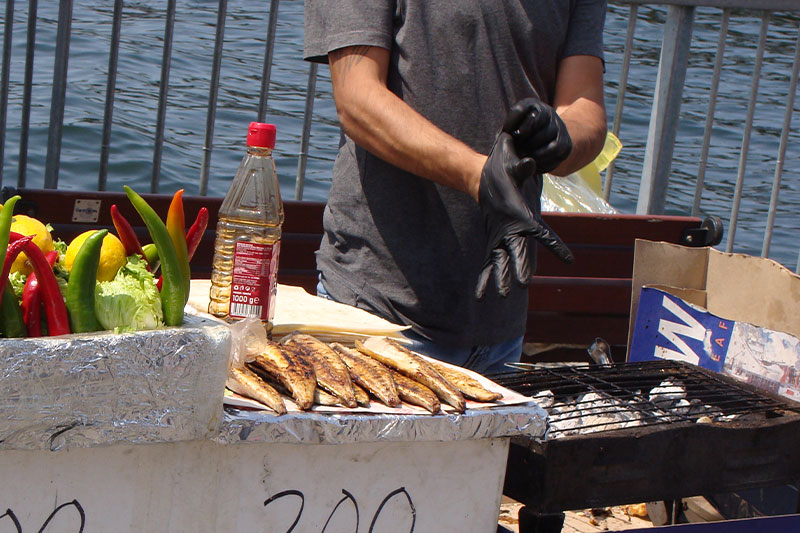
Balık Ekmek (Fish Sandwich)
a freshly grilled mackerel fillet tucked inside a crusty loaf of bread with onions, crisp lettuce, and a splash of lemon

1-Balık Ekmek (Fish Sandwich)

This is the quintessential taste of the waterfront, featuring a freshly grilled mackerel fillet tucked inside a crusty loaf of bread with onions, crisp lettuce, and a splash of lemon. It is most famously enjoyed near the bustling docks, where the smell of the sea and the sizzling grill create an unforgettable dining atmosphere for locals and travelers alike.
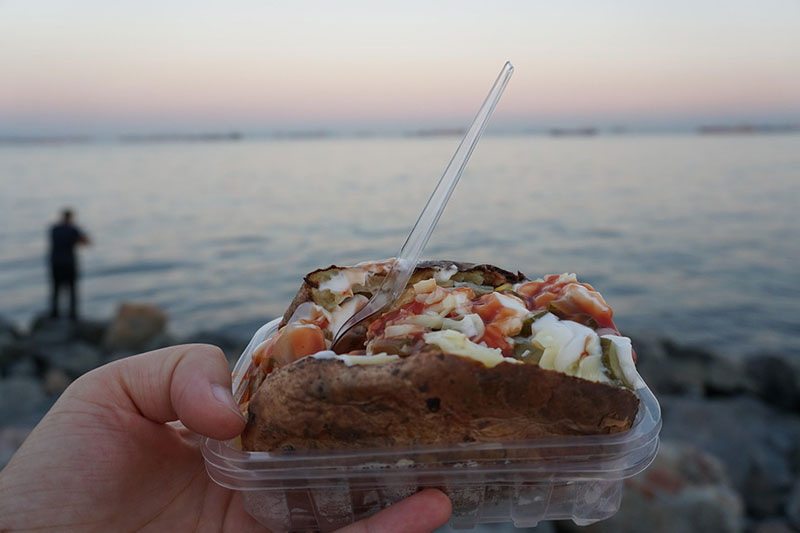
Kumpir (Loaded Baked Potato)
A giant baked potato that is sliced open and whipped with generous amounts of butter and kaşar cheese until the interior is perfectly smooth and creamy

2-Kumpir (Loaded Baked Potato)

A giant baked potato that is sliced open and whipped with generous amounts of butter and kaşar cheese until the interior is perfectly smooth and creamy. Once the base is ready, it is loaded with an endless variety of colorful toppings, ranging from olives and pickles to Russian salad, corn, and spicy sausages, tailored to your preference.
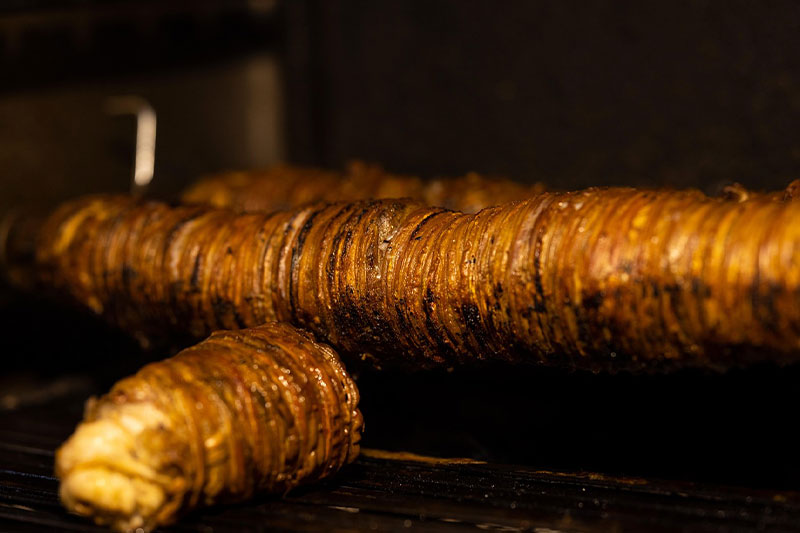
Kokoreç (Grilled Lamb Intestines)
A bold and savory classic made from spiced lamb intestines wrapped around sweetbreads and slowly grilled over a horizontal charcoal

3-Kokoreç (Grilled Lamb Intestines)

A bold and savory classic made from spiced lamb intestines wrapped around sweetbreads and slowly grilled over a horizontal charcoal spit until crispy on the outside. The meat is then finely chopped with tomatoes, green peppers, and a heavy dusting of oregano and chili flakes, served piping hot inside a half-loaf of toasted bread.
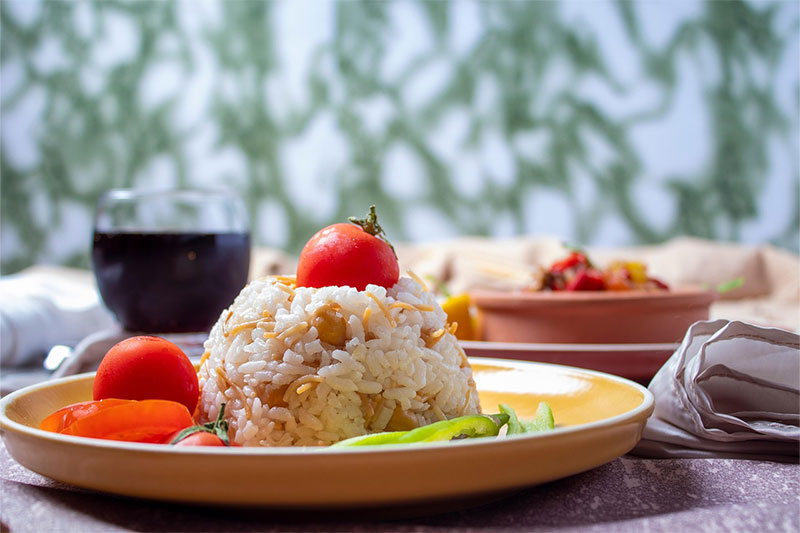
Nohutlu Pilav (Chickpea Rice)
this simple yet flavorful dish of buttery rice, chickpeas, and shredded chicken is a staple of Istanbul’s street life

4-Nohutlu Pilav (Chickpea Rice)

Often sold from iconic glass-covered carts at night, this simple yet flavorful dish of buttery rice, chickpeas, and shredded chicken is a staple of Istanbul’s street life. It proves that in the Turkish food culture, the simplest ingredients can create the most satisfying experiences.
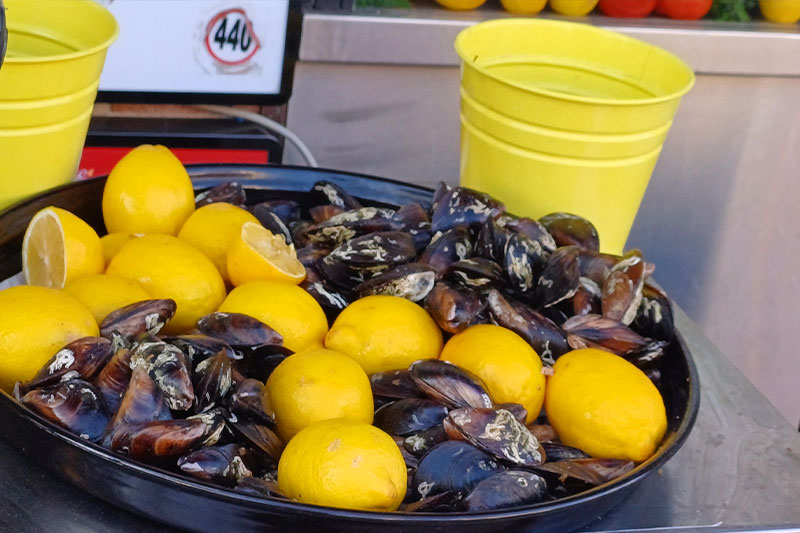
Midye Dolma (Stuffed Mussels)
A legendary street snack consisting of plump mussels stuffed with a fragrant mixture of herbed rice, pine nuts, and currants, prepared with a delicate balance of spices.

5-Midye Dolma (Stuffed Mussels)

A legendary street snack consisting of plump mussels stuffed with a fragrant mixture of herbed rice, pine nuts, and currants, prepared with a delicate balance of spices. They are traditionally sold by street vendors who serve them one by one, finished with a fresh squeeze of lemon juice to enhance the briny and aromatic flavors.
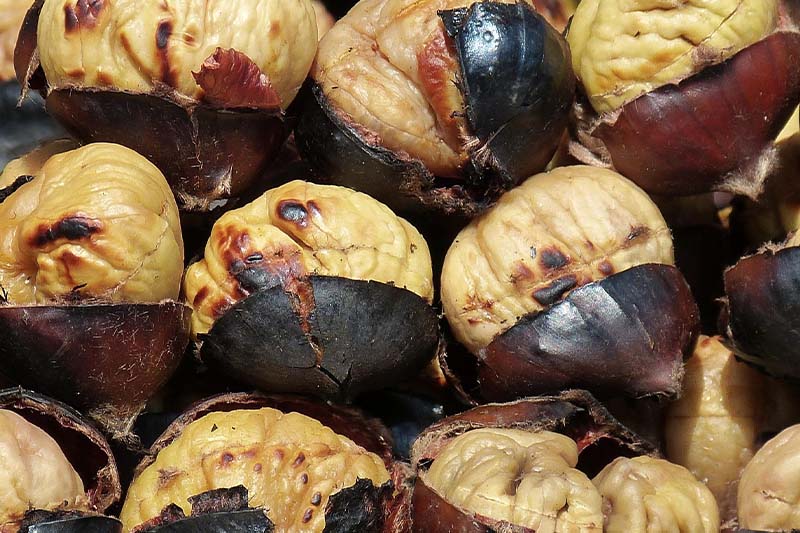
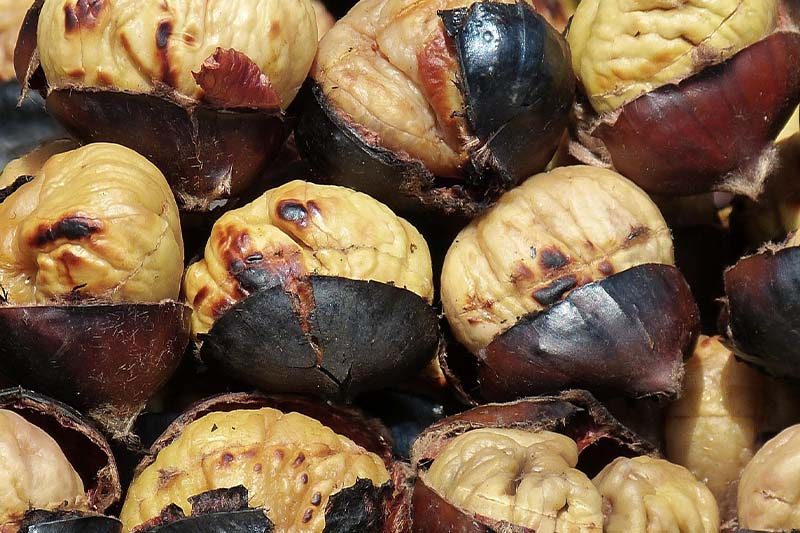
Kestane & Mısır (Chestnuts & Corn)
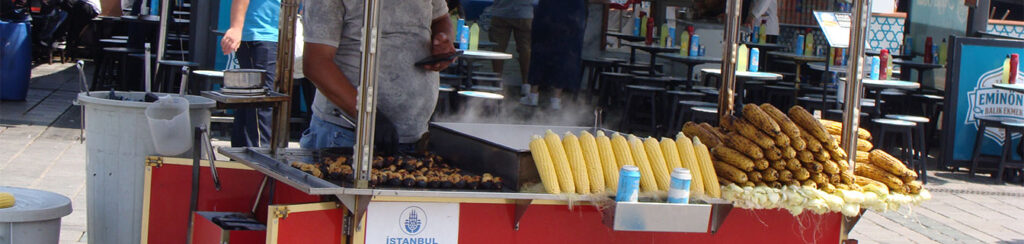
the streets are filled with the inviting aroma of either charcoal-roasted chestnuts or freshly boiled and grilled corn on the cob

6-Kestane & Mısır (Chestnuts & Corn)

Depending on the season, the streets are filled with the inviting aroma of either charcoal-roasted chestnuts or freshly boiled and grilled corn on the cob. These iconic red carts are a staple of the local landscape, offering a warm, nutty snack in the winter months and a sweet, buttery treat during the summer evenings.
Hungry for a Street Adventure

From Simit to Kokoreç, discover the flavors that define the streets of Istanbul

👉 Explore Street Flavors

Turkish Desserts: A Sweet Legacy of Flavors

A meal in the Turkish food culture is never truly finished without a sweet finale. This legacy dates back to the Ottoman palace kitchens, where confectionery was treated as a high art form. From syrupy pastries to light, milk-based puddings, the variety of desserts reflects the country’s rich agricultural diversity and culinary history.

Traditional Turkish dondurma ice cream with stretchy texture
Turkish dondurma known for its stretchy, chewy texture and rich, creamy flavor.

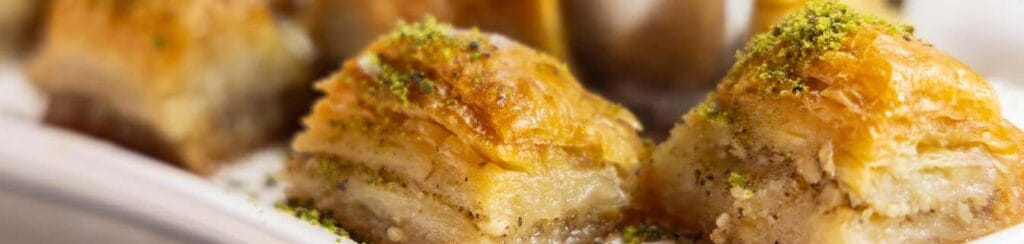
1-Baklava

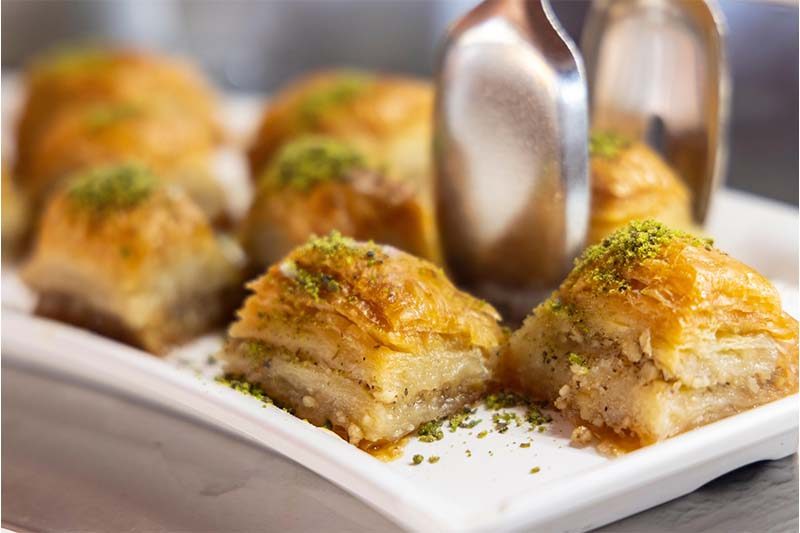
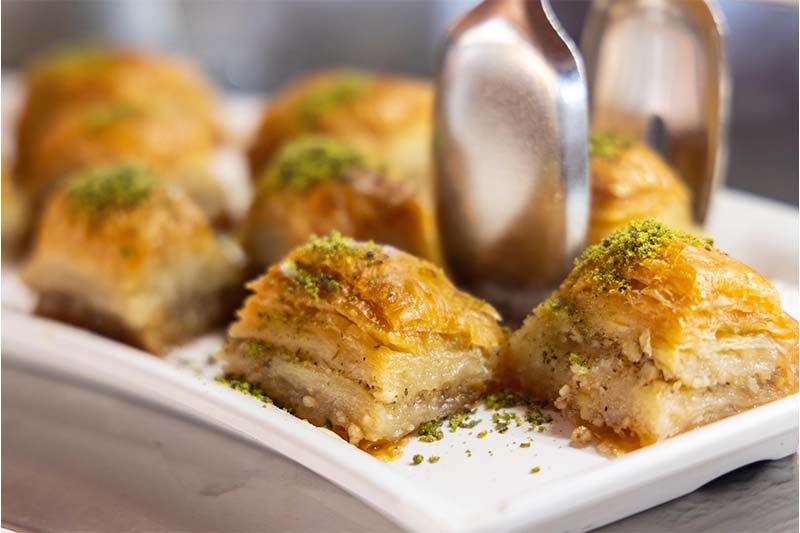
The world-famous pastry made of forty layers of thin phyllo dough, filled with crushed pistachios and soaked in honey or syrup. It is a masterpiece of precision, where the paper-thin layers must achieve a perfect crunch that resonates with every single bite.
For a deeper look into the crispy layers of this world-famous pastry, explore more content about the importance and place of baklava in Türkiye.
Traditional Turkish dondurma ice cream with stretchy texture
Turkish dondurma known for its stretchy, chewy texture and rich, creamy flavor.

2-Künefe

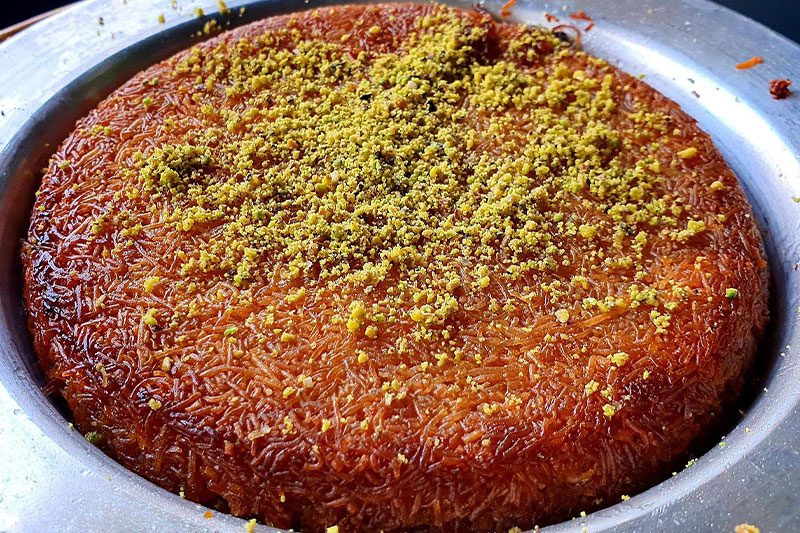
A crispy, cheese-filled dessert made from shredded wheat (kadayıf), served hot and topped with a generous amount of warm syrup. This dish provides a unique sensory experience by balancing the savory pull of melted Hatay cheese with the intense sweetness of the golden crust.
Traditional Turkish dondurma ice cream with stretchy texture
Turkish dondurma known for its stretchy, chewy texture and rich, creamy flavor.

3-Sütlaç

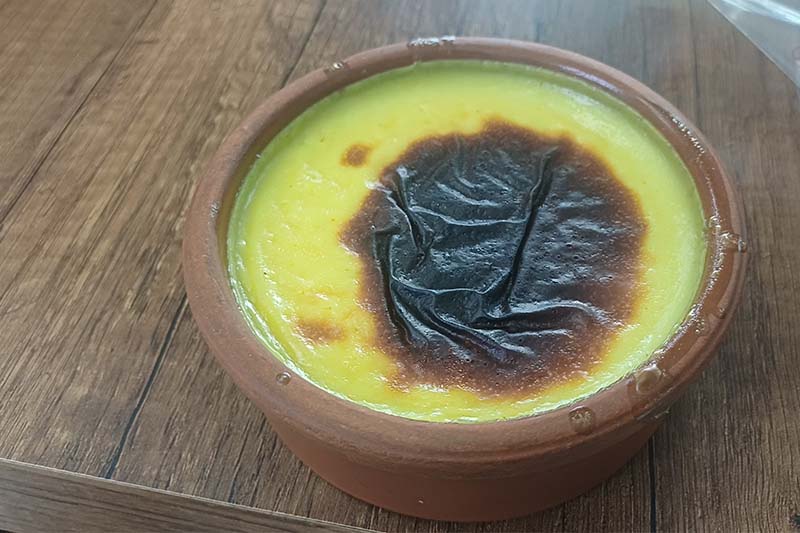
A comforting and traditional creamy rice pudding, often baked in clay bowls until a thin, delicious brown crust forms on top. Unlike heavier pastries, it offers a refreshing and light finish to a meal, embodying the rustic simplicity of Anatolian home cooking.
Traditional Turkish dondurma ice cream with stretchy texture
Turkish dondurma known for its stretchy, chewy texture and rich, creamy flavor.

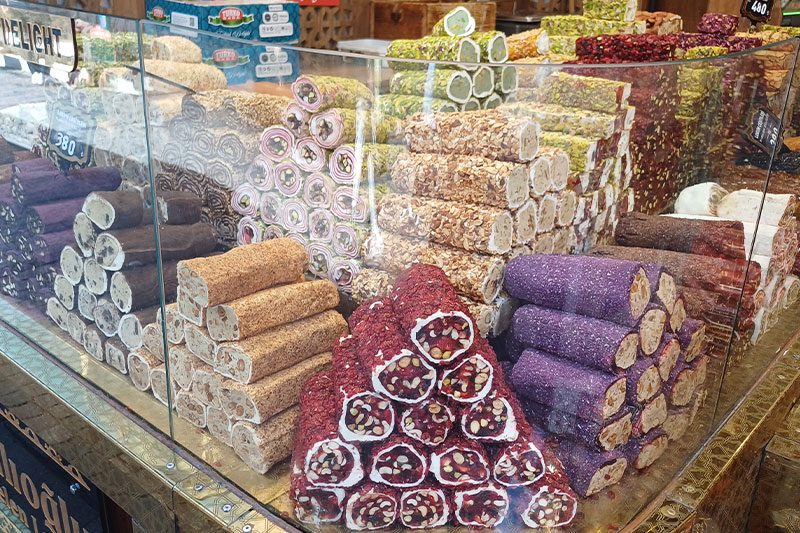
4-Turkish Delight (Lokum)

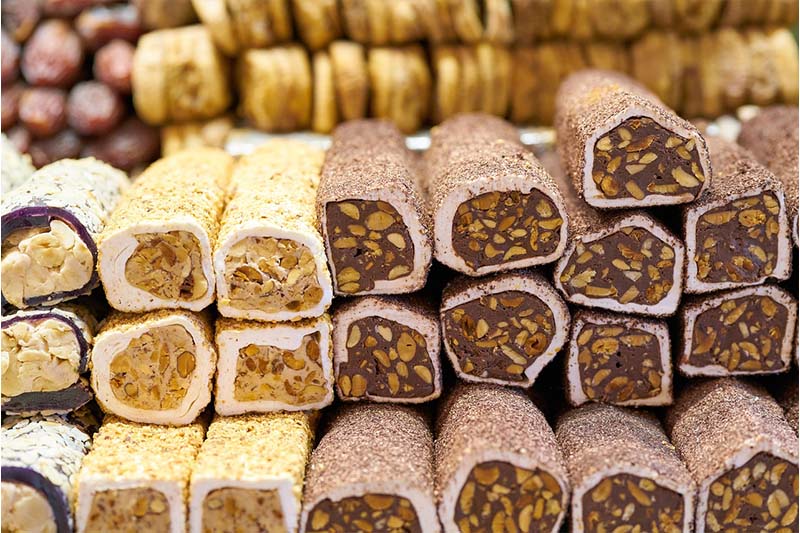
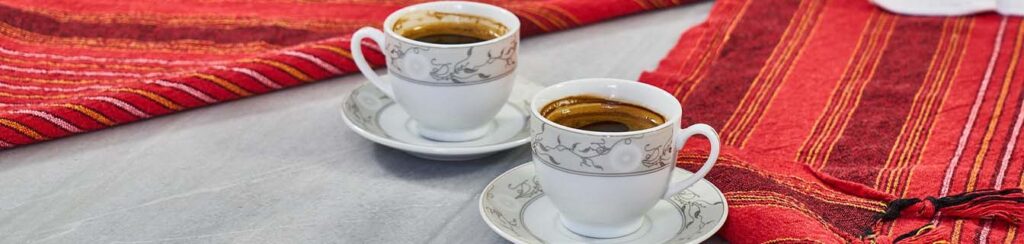
The quintessential treat, ranging from rose-infused classics to modern varieties stuffed with double-roasted hazelnuts or walnuts. Once a prized delicacy in the Ottoman courts, it remains the ultimate symbol of hospitality, traditionally served alongside a cup of strong Turkish coffee.
Beyond these legendary icons, the sugary landscape includes a wide array of flavors like Dondurma, Güllaç, Revani, Kazandibi, Tulumba, Helva, Tavuk Göğsü, and Şekerpare. Each region offers its own signature sweets, often defined by the local nuts and fruits available in the area. To explore every sugary corner of this tradition and find the best spots to taste them, check out our Ultimate Guide to Turkish Desserts and Sweets.

Traditional Turkish Drinks: Liquid Traditions and Hospitality

To truly understand the Turkish food culture, one must look beyond the solid food and explore the diverse world of traditional beverages. These drinks are rarely just for hydration; they are social symbols, health tonics, and the very essence of hospitality. While the world knows Turkish Coffee, the daily life of a local is fueled by a much broader palette of liquids that tells the story of the region’s climate and history.

Turkish Coffee
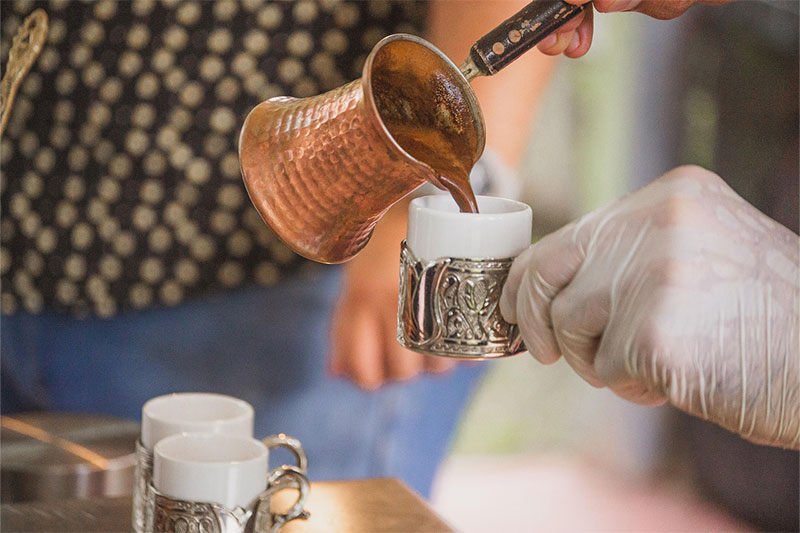
Prepared in a small copper pot called a Cezve, this unfiltered, finely ground coffee is a symbol of hospitality and deep conversation

1-Turkish Coffee

Prepared in a small copper pot called a Cezve, this unfiltered, finely ground coffee is a symbol of hospitality and deep conversation. In the Turkish food culture, it is traditionally served with a glass of water and a piece of Turkish Delight (Lokum). For many international travelers, the highlight is the ancient tradition of fortune-telling from the remaining grounds, making it a mystical and sensory experience unique to Türkiye (formerly known as Turkey).
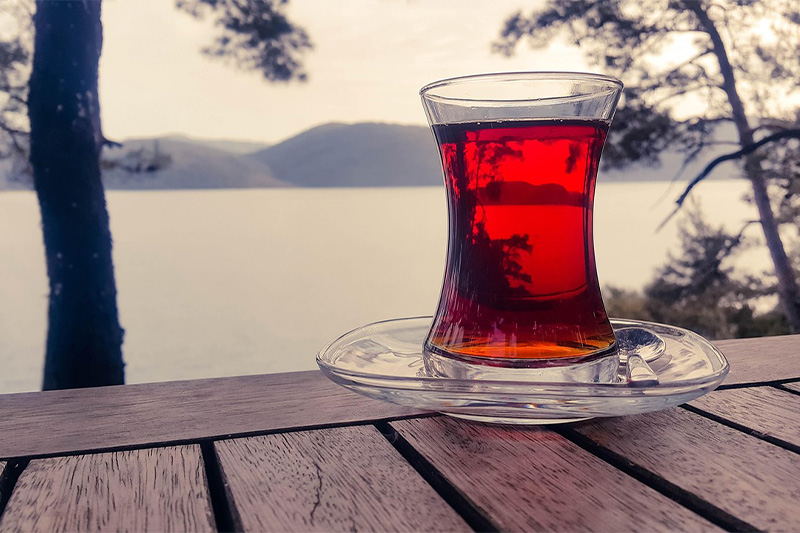
tea is consumed at all hours
The engine of the country. Brewed in a double teapot (Çaydanlık) to ensure the perfect strength, tea is consumed at all hours.

2-Turkish Tea (Çay)

The engine of the country. Brewed in a double teapot (Çaydanlık) to ensure the perfect strength, tea is consumed at all hours. In the Turkish food culture, tea is the ultimate sign of friendship. If a shopkeeper offers you tea, it is an invitation to stay and talk, reflecting the slow pace of life that many Western travelers find enchanting.
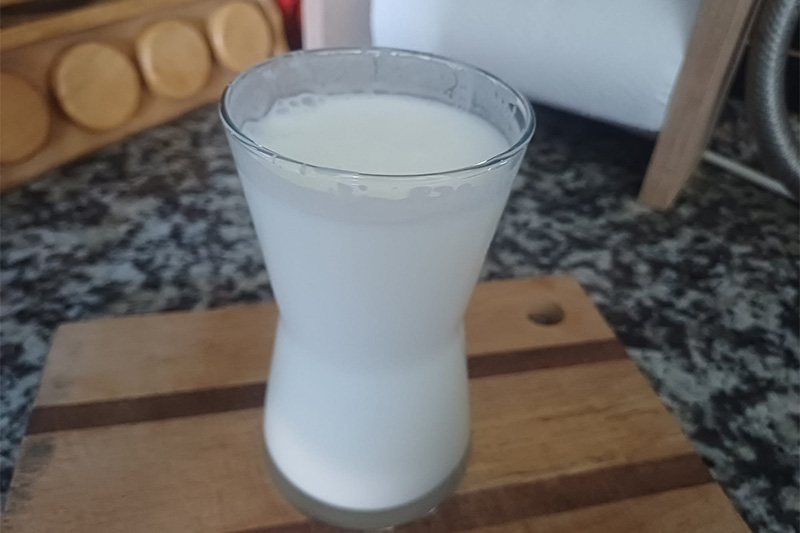
Ayran is simple mix of yogurt, water, and salt is the national drink of Türkiye
simple mix of yogurt, water, and salt is the national drink of Türkiye

3-Ayran

This simple mix of yogurt, water, and salt is the national drink of Türkiye. It is the perfect counterbalance to spicy kebabs and heavy meat dishes. Its probiotic properties and refreshing taste make it a staple in every local restaurant, from the busy streets of Istanbul to the quiet villages of Anatolia.
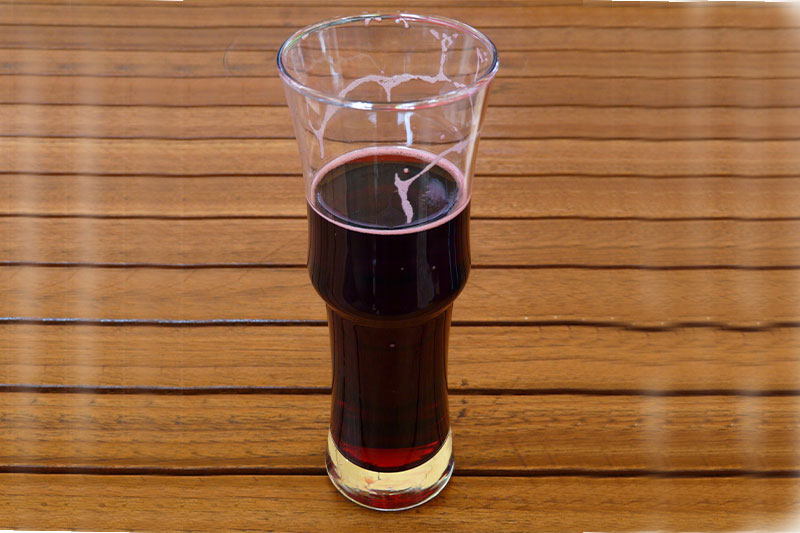
Fermented Gems (Şalgam and Boza)
For those seeking bold flavors, Şalgam Suyu (fermented purple carrot juice) offers a salty and spicy kick that is deeply rooted in the culinary traditions of Southern Türkiye

4-Fermented Gems (Şalgam and Boza)

For those seeking bold flavors, Şalgam Suyu (fermented purple carrot juice) offers a salty and spicy kick that is deeply rooted in the culinary traditions of Southern Türkiye. In contrast, winter brings Boza, a thick, fermented grain drink topped with cinnamon and roasted chickpeas. These drinks are a living history of how ancient Anatolians preserved nutrients during different seasons.
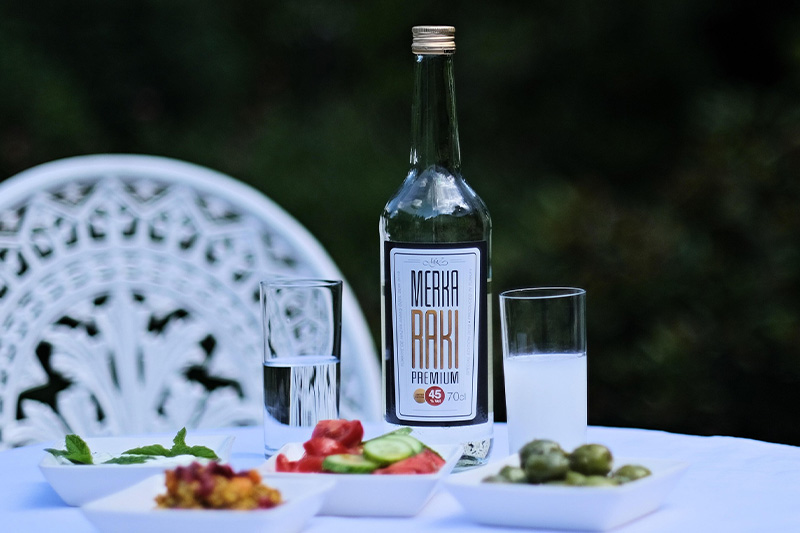
alcoholic drink of Türkiye
Known as the national alcoholic drink of Türkiye, Rakı is a strong, anise-flavored spirit that turns milky white when mixed with water

5-Rakı (The Lion’s Milk)

Known as the national alcoholic drink of Türkiye, Rakı is a strong, anise-flavored spirit that turns milky white when mixed with water. In the Turkish food culture, it is much more than a drink; it is the center of a "Rakı Table" (Çilingir Sofrası), accompanied by a slow progression of cold and hot mezes. For many travelers, sharing a glass of Rakı while listening to traditional music is the ultimate authentic social experience.
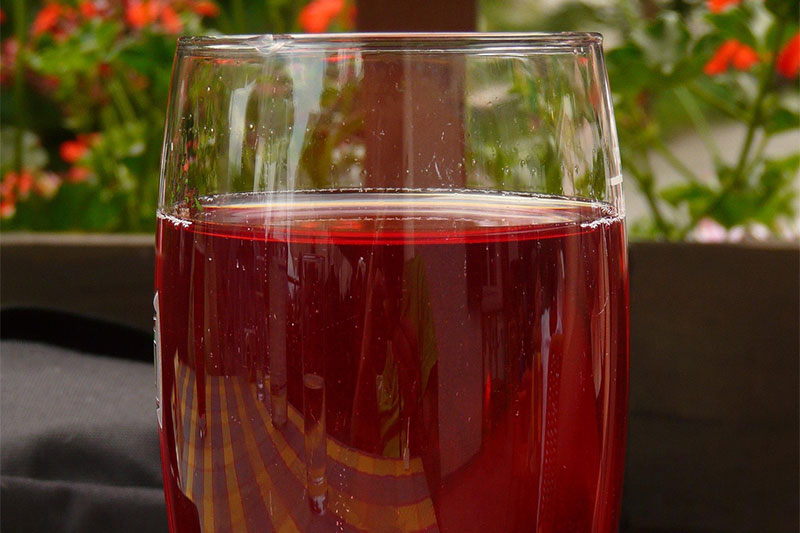
Ottoman and Ramadan Sherbets
These are historic, non-alcoholic fruit and herb-based drinks that date back to the palace kitchens

6-Ottoman and Ramadan Sherbets

These are historic, non-alcoholic fruit and herb-based drinks that date back to the palace kitchens. Made from ingredients like rose, hibiscus, tamarind, or pomegranate, these cold infusions are especially popular during the summer and the month of Ramadan. In the Turkish food culture, they are prized for their refreshing properties and their role in balancing heavy meals with natural sweetness.
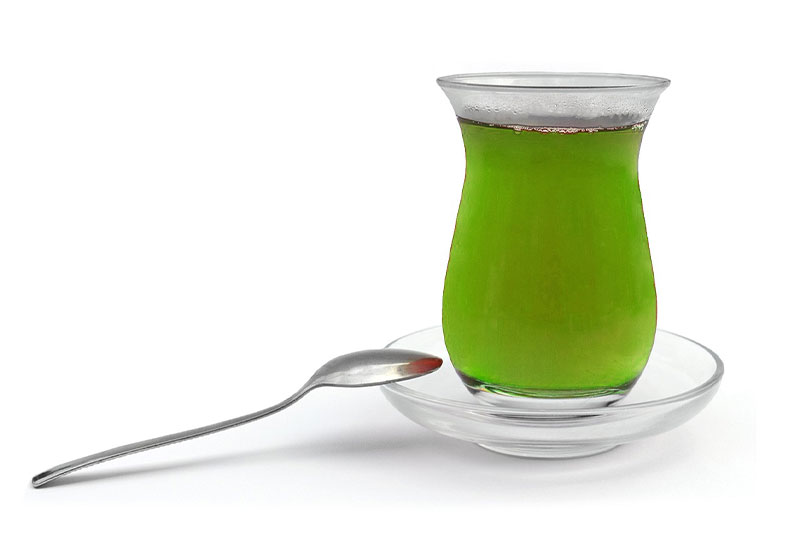
colorful part of the Turkish tea-house culture
ralet is a granulated fruit-flavored tea, most commonly found in orange, kiwi, or apple flavors.

6-Oralet (Fruit Infusion)

This is a nostalgic and colorful part of the Turkish tea-house culture. Oralet is a granulated fruit-flavored tea, most commonly found in orange, kiwi, or apple flavors. While it is simpler and less formal than traditional tea or coffee, it remains a favorite "quick drink" for locals of all ages, offering a sweet and vibrant alternative in the bustling streets of Istanbul.
Seasonal Rhythms: From Summer Salads to Winter Stews

The Turkish food culture is deeply seasonal, respecting the natural cycle of the Anatolian soil. In the scorching summer months, the table is dominated by light vegetable dishes, fresh tomatoes, and the iconic pairing of watermelon and white cheese. This is a time when people prefer “home-cooked” style meals that are easy on the stomach but rich in vitamins.

As autumn arrives, the ritual of “Winter Preparation” (Kış Hazırlığı) begins in every household. You will see families drying eggplants and peppers on their balconies or boiling large vats of tomato and pepper paste (Salça). This ancient habit ensures that even in the coldest months, the essence of the summer sun remains on the plate. Winter in Türkiye is the season of comfort food, featuring hearty lentil soups, slow-cooked chickpeas, and the warming scent of cinnamon in desserts. For a traveler, visiting during these seasonal transitions offers a unique glimpse into how the local lifestyle adapts to the environment.

Festive Flavors: Ashura and the Traditions of Sharing

Beyond Ramadan, the Turkish food culture is punctuated by other religious and social celebrations that have their own dedicated menus. A prime example is the Day of Ashura. The dessert known as Aşure (Noah’s Pudding) is perhaps the oldest dessert in the world, traditionally made with at least 15 different ingredients including grains, beans, dried fruits, and nuts.

In Türkiye, making Ashura is not just about cooking; it is about community. Families prepare massive pots of this pudding and distribute bowls to neighbors and friends, regardless of their background. This tradition of sharing food is a cornerstone of the Anatolian spirit. Similarly, during the Kurban Bayramı (Eid al-Adha), the focus shifts to meat-based dishes and the importance of distributing food to those in need, ensuring that the Turkish food culture remains an inclusive experience for everyone in the society.

Ramadan in Türkiye: A Month of Spiritual and Culinary Celebration

In the Turkish food culture, the holy month of Ramadan is a period where the kitchen becomes the heart of the home. Even for those who do not live in Türkiye , the images of long communal tables in city squares or the smell of fresh bread at sunset are iconic. The culinary rituals of Ramadan are divided into two main events: Sahur (the pre-dawn meal) and Iftar (the fast-breaking meal at sunset).

During Iftar, the meal almost always begins with a date or a sip of water, followed by a bowl of warm soup. One cannot discuss Ramadan without mentioning the Ramazan Pidesi, a soft, leavened flatbread topped with sesame and nigella seeds that is only baked during this month. Long queues outside local bakeries just before the call to prayer are a common sight and a testament to the social importance of this bread.

The variety of dishes served during Iftar is immense, often featuring “Iftariye” plates—small samplers of olives, cheeses, honey, and pastırma (dried beef). This tradition leads into heavier main courses, but the star of the show remains the desserts. As you explore our section on Ramadan Desserts, you will find that Güllaç—a light, milky dessert made with pomegranate seeds and rosewater—is the undisputed queen of the Ramadan table. This focus on light yet nourishing food reflects the wisdom of Turkish culinary traditions in balancing health and indulgence.

Explore More of Türkiye’s Culinary World

FAQ- About Turkish Food Culture

1. Is all food in Türkiye halal?

Yes, the vast majority of food in Türkiye is prepared according to halal standards. While you can find non-halal options in some international hotels or specific districts in Istanbul, the local cuisine is naturally compliant with Islamic dietary laws.

2. What is the tipping culture in Turkish restaurants?

In casual spots or “Esnaf Lokantası,” tipping is not strictly required but appreciated. In standard restaurants, a tip of 10% is customary. In high-end establishments, this may be included in the bill as a “service charge,” but an extra gesture is always welcomed.

3. Is Turkish food very spicy?

While Eastern and Southeastern regions (like Gaziantep and Adana) are famous for their heat, the general Turkish food culture is more flavorful than spicy. Most dishes focus on aromatic herbs and mild spices rather than intense chili heat.

4. Can vegetarians find good options in Türkiye?

Absolutely! The Turkish food culture is a paradise for vegetarians. The entire category of “Zeytinyağlılar” (olive oil dishes) consists of plant-based recipes, and the variety of fresh salads and mezes ensures that vegetarians have plenty of delicious choices.

5. Why is tea served after every meal?

Tea is the symbol of hospitality in Türkiye. It is a way for the host to say, “Don’t leave yet, let’s talk more.” It helps with digestion and provides a social bridge between the meal and the rest of the day.

Experience the Flavors of Türkiye with TripByAli

From private food tours to cultural guides, we make your journey unforgettable.

👉 Contact me for a Custom Tour

Written by Ali Rahnama — Local Eco Tour Guide and Travel Storyteller.
Explore my Google Maps contributions • Discover more at Trip by Ali.

Scroll to Top