
Baklava in Türkiye
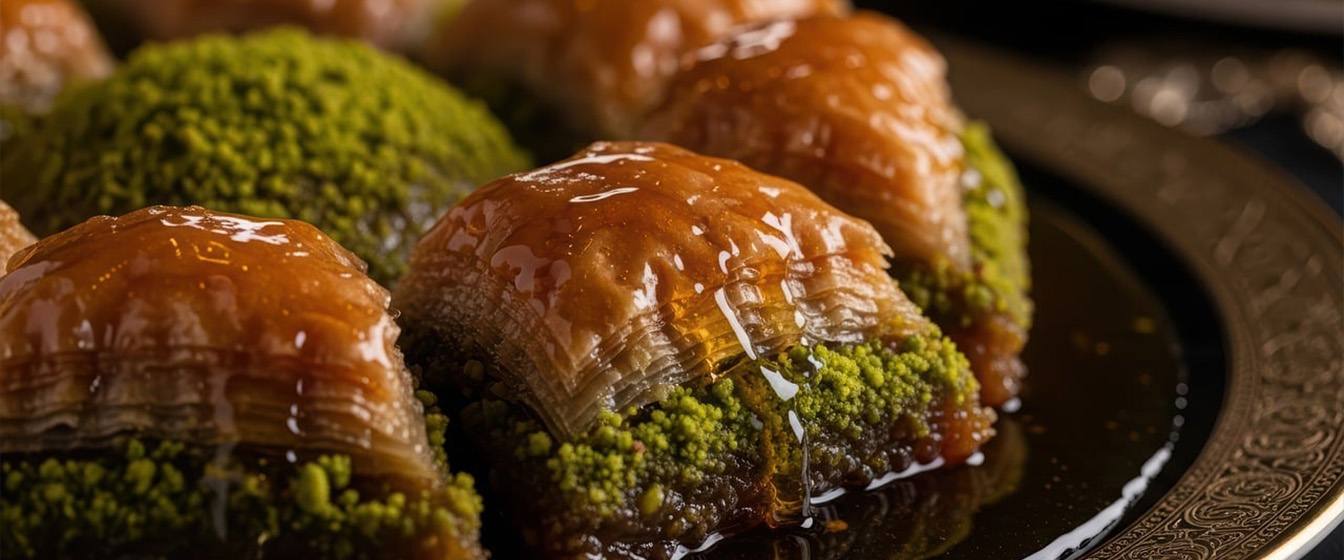
Baklava is the crown jewel of Turkish culinary art, representing centuries of imperial history and an uncompromising dedication to craftsmanship. Far more than a dessert, this layered pastry of paper-thin phyllo dough, premium nuts, and fragrant syrup is a symbol of hospitality and prestige across Türkiye (formerly known as Turkey). From the bustling workshops of Gaziantep to the elegant patisseries of Istanbul, every bite of authentic baklava offers a complex harmony of textures—crisp, buttery, and deeply satisfying.
The mastery required to create this dessert is passed down through generations, with skilled artisans, known as ustas, spending years perfecting the art of stretching dough until it is translucent. Whether you are celebrating a special occasion or simply enjoying a moment of indulgence, understanding the craft behind this golden treasure is the first step toward appreciating the depth of the local dessert culture. To delve into the broader world of sweets, visit our Complete Guide to the Traditional Desserts and sweets of Türkiye.
The Historical Journey and Cultural Significance
The origins of baklava are deeply intertwined with the Ottoman Empire, where it was served in the imperial kitchens of the Topkapı Palace during state ceremonies. It was a dessert reserved for the elite, reflecting the wealth and sophistication of the Sultan’s court. Over the centuries, the recipe moved from the palace to the homes of the people, evolving into the signature treat served during festivals, family gatherings, and religious observances.
Baklava in Turkish Culture and Social Life
Baklava plays a symbolic role in Turkish social customs. It is commonly offered to guests as a sign of respect and generosity. Families serve it during visits, engagements, weddings, and national celebrations. Its presence at gatherings reinforces values of hospitality and shared joy that define Turkish society.
When examining culture and society in Turkey travel guide, baklava appears not only as food but as a ritual element. Offering baklava signals celebration, gratitude, and social connection, especially during important religious and national occasions.
The Role of Baklava During Ramadan in Turkey
During Ramadan, baklava becomes even more visible across Turkey. After iftar, families often serve baklava alongside tea as part of evening gatherings. Its richness makes it suitable for sharing in social settings, and many households prepare or purchase it specifically for the holy month.
Exploring baklava in this seasonal context aligns closely with Ramadan in Turkey travel experiences, where food traditions shape nighttime culture. Bakeries increase production during Ramadan, and festive packaging becomes common as families prepare for guest visits.
Baklava and Iftar Traditions in Istanbul
In Istanbul, baklava frequently appears as part of structured iftar menus in restaurants and homes. While lighter milk-based desserts may follow the main meal, baklava often accompanies tea during extended evening gatherings. The dessert fits naturally within Iftar traditions in Turkey and evening food culture, where shared plates symbolize community and continuity.
For travelers exploring Ramadan evenings in Istanbul, tasting baklava after iftar offers insight into how seasonal food traditions connect with urban life and cultural expression.
Baklava and Eid al-Fitr Celebrations
Eid al-Fitr in Turkey transforms baklava from a dessert into a centerpiece of celebration. On the first day of Eid, trays of baklava are offered to visiting relatives and neighbors. Children and guests expect sweets as part of the holiday ritual, making baklava essential to the festive table.
Understanding its place in travel during Eid al-Fitr in Turkey helps visitors appreciate how dessert culture defines the atmosphere of the holiday. The tradition of sharing baklava strengthens family bonds and reinforces the joyful spirit marking the end of Ramadan.
Craving the Perfect Box of Baklava?
Not sure which brand to trust? I can point you toward the most authentic workshops and help you ship the best quality directly to your hotel.
👉 Chat with Ali on WhatsAppFamous Cities for Baklava in Turkey
Although Istanbul is globally associated with baklava, several cities compete for recognition based on ingredients and technique. Gaziantep holds geographical indication status for its pistachio baklava, known for vibrant green filling and lighter syrup. Bursa and other Anatolian cities also maintain strong pastry traditions with walnut-based varieties.
In Istanbul, baklava reflects a cosmopolitan blend of regional influences. Traditional neighborhoods house long-established pastry shops where preparation methods remain faithful to classic standards. Travelers exploring Turkish dessert traditions across different regions quickly discover that each city expresses baklava through subtle differences in texture, nut selection, and syrup intensity.
A Comprehensive Guide to Baklava Varieties
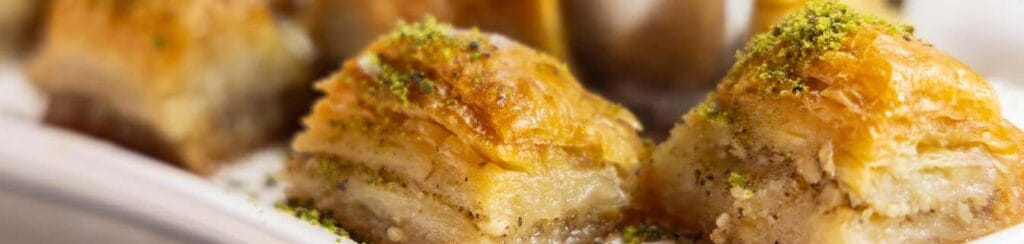
The art of baklava lies in the specific technique of the usta (master artisan) and the quality of the nuts used. While the basic structure remains, the variations cater to diverse regional preferences and palate profiles:
Pistachio Baklava (Fıstıklı Baklava)
Visitors can expect large courtyards, ceremonial halls, gardens, and collections that include art, manuscripts, and historical objects. Some palaces offer panoramic views of the Bosphorus, while others are embedded within older districts, surrounded by traditional streets.
Walnut Baklava (Cevizli Baklava)
A deeply traditional choice, common in the Aegean and central regions. It offers an earthier, richer flavor that pairs perfectly with a bitter cup of coffee.
Dry Baklava (Kuru Baklava)
This variety contains significantly less syrup, which results in a crunchier texture and longer shelf life. It is the preferred choice for travelers looking to take a taste of the country back home.
Cold Baklava (Soğuk Baklava)
A modern phenomenon that has taken the country by storm. It is made with milk-based syrup and dusted with high-quality cocoa powder, resulting in a lighter, refreshing experience that is kept chilled.
Şöbiyet
A triangular pastry filled with a rich dollop of thick clotted cream (kaymak) and crushed pistachios. It is famous for its creamy, velvet-like center that contrasts with the crispy dough.
Sütlü Nuriye
A unique variation where the syrup is replaced by a milk-based mixture. It is lighter in color and sweetness, making it a favorite for those who prefer a less intense sugary finish.
Consumption Rituals and Culinary Pairings
In local life, baklava is the “always present” dessert. While it is often enjoyed after a meal, it frequently serves as a mid-afternoon energy boost alongside a glass of tea. The local tradition dictates that unless you are eating Soğuk Baklava, the pastry should be enjoyed at room temperature. This allows the scent of the clarified butter and the integrity of the nuts to be fully realized on the palate.
When enjoying a platter, the experience is heightened by the beverage choice. The slight bitterness of Turkish tea acts as a perfect counterpoint to the intense sweetness of the syrup, cleaning the palate between bites. Whether sitting in a bustling café by the Bosphorus or in a quiet family home, the act of sharing baklava is intended to be a slow, deliberate moment of enjoyment. To learn how baklava sits within the wider spectrum of local delicacies, visit our Complete Guide to the Traditional Food Culture of Türkiye.
Quality Markers and Price Expectations
For travelers, navigating the market can be challenging, but quality is usually proportional to price. Renowned brands like Karaköy Güllüoğlu or Hafiz Mustafa maintain high standards by using pure butter and premium nuts, which commands a higher price point than mass-produced versions. When purchasing, always look for the sheen of the syrup and the golden color of the dough.
Price is typically calculated by weight, and it fluctuates based on the cost of nuts like pistachios versus walnuts. If you intend to carry a box internationally, reputable patisseries offer professional vacuum-sealing services. This method is highly recommended as it keeps the baklava fresh and crispy for up to two weeks, ensuring the quality remains intact until you reach your destination.
Baklava as a Culinary Attraction for Travelers
Baklava today functions not only as a dessert but also as a culinary attraction. Visitors often seek out historic pastry shops to taste authentic varieties and observe preparation techniques. Sampling baklava becomes part of discovering local identity, especially when combined with visits to markets, historic neighborhoods, and cultural landmarks.
Connecting baklava exploration with Turkey cultural and historical attractions travel guide allows travelers to blend gastronomy with sightseeing. The experience of tasting baklava in Istanbul or Gaziantep complements visits to mosques, bazaars, and museums, creating a deeper cultural journey.
FAQ
1- How can I identify high-quality baklava?
Authentic baklava should have a bright, golden-brown color and a distinct buttery aroma. When you bite into it, the layers of phyllo should remain crisp rather than soggy.
2. Is there a difference between pistachio and walnut versions?
Yes, pistachio baklava is often considered more prestigious and has a distinct nutty sweetness, while walnut baklava is prized for its deep, robust, and traditional flavor profile.
3. What is the best way to transport baklava home?
Always request vacuum-sealed packaging from the patisserie. This preserves the freshness and prevents the syrup from drying out or the dough from softening during travel.
4. Can I eat baklava with ice cream?
Absolutely. Many locals enjoy pairing a warm or room-temperature piece of baklava with a scoop of Maraş ice cream, which is known for its thick, stretchy, and chewy texture.
Experience the Culinary Heart of Türkiye
From private food tours to hidden gems, let me build a personalized itinerary that explores the very best of local tastes.
Request Custom Travel PlanWritten by Ali Rahnama — Local Eco Tour Guide and Travel Storyteller.
Explore my Google Maps contributions •
Discover more at Trip by Ali.