
Getting around Istanbul—one of the world’s most dynamic and historic cities—can seem overwhelming at first. But thanks to an extensive and affordable public transportation system, navigating this sprawling metropolis becomes surprisingly easy and enjoyable for visitors.
Whether you’re planning to explore the ancient treasures of Sultanahmet, cross continents via ferry, or get lost in vibrant neighborhoods like Kadikoy or Karakoy, Istanbul’s metro, trams, and ferries are your best friends. The essential key? The Istanbulkart—a contactless travel card that works across almost all public transport options.
In this post, you’ll find everything you need to confidently use Istanbul’s public transport system like a local:
from the metro and tram to scenic ferry rides across the Bosphorus. For detailed breakdowns of Istanbulkart and Istanbul Metro, you can check out our dedicated guides coming soon.
Istanbulkart: The Essential Travel Card
If you’re planning to use public transportation in Istanbul, getting an Istanbulkart is absolutely essential. It’s a reloadable smart card that allows seamless access to metro, trams, buses, ferries, and even some public toilets.
Where to Get It
You can purchase an Istanbulkart from yellow kiosks at airports, major metro/tram stations, or via vending machines labeled “Istanbulkart”. The initial cost is around ₺70–₺100, and you’ll need to top it up with credit for travel.
How to Use It
Just tap the card at the entrance gate of any transport system. The fare is automatically deducted based on your route. Most rides cost ₺30–₺70, but Istanbulkart offers significant discounts, especially when transferring between modes (e.g., tram to metro).
Group Use
One Istanbulkart can be used for multiple passengers, although only the first person gets the discounted rate. If you’re traveling with a partner or family, consider getting individual cards for better savings.
Online Top-Up
You can top up your card at vending machines or online using the official Istanbulkart mobile app, which also lets you check your balance and trip history.
Types of Public Transportation in Istanbul
Navigating Istanbul is surprisingly easy thanks to its diverse and well-connected public transport system. Here’s a quick overview of the most commonly used modes of transport in the city:
Metro
Istanbul’s metro system is modern, clean, and continuously expanding. The most used line is M2, which connects central areas like Taksim, Şişli, and Levent. It’s ideal for fast travel across the city without dealing with traffic. Most metro trains run from 6 AM to midnight, and signs are in both Turkish and English.
Tram
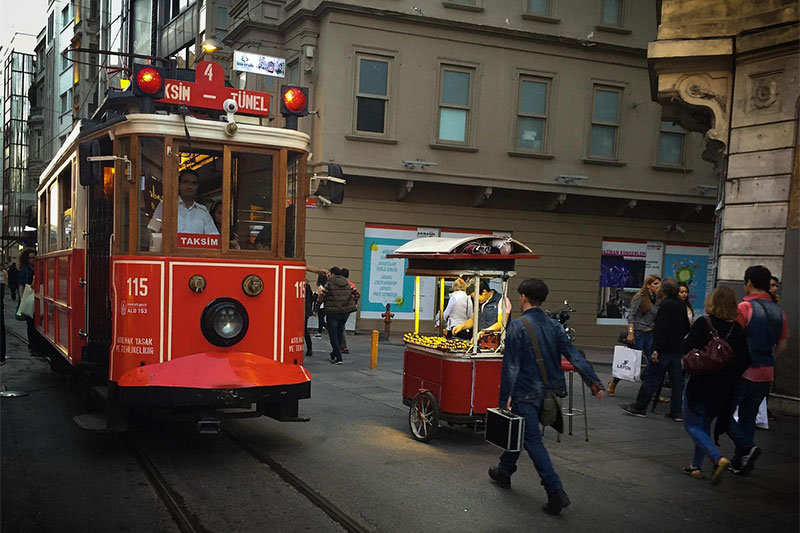
The T1 tram line is a tourist favorite, connecting Sultanahmet, Eminönü, Sirkeci, and Karakoy all the way to Kabatas. It’s a scenic and convenient way to reach historic landmarks like Hagia Sophia and the Grand Bazaar. Trams run frequently and are typically less crowded than buses.
Ferries
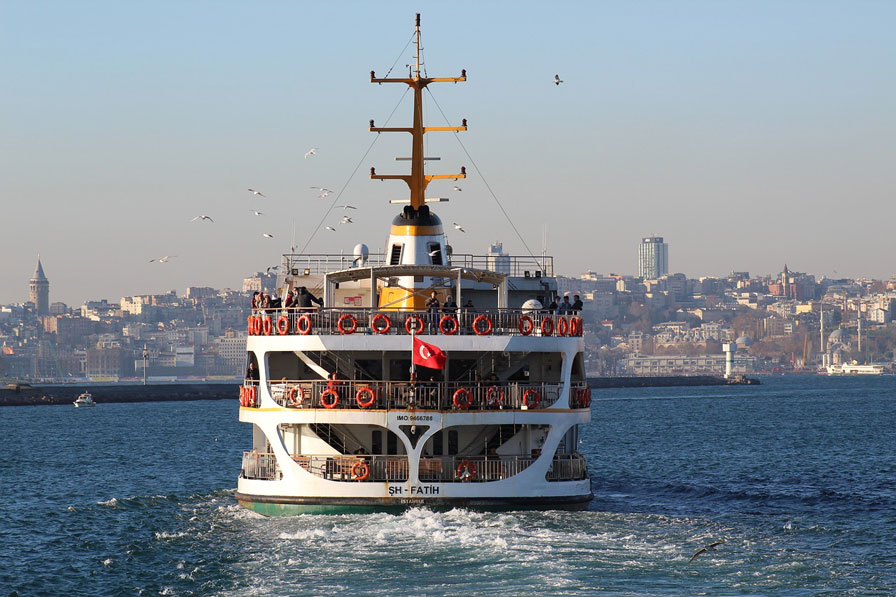
Ferries are not only practical but also provide stunning views of the Bosphorus. They connect the European and Asian sides of the city and are especially useful during rush hour when roads are congested. You can use your Istanbulkart here too.
Buses
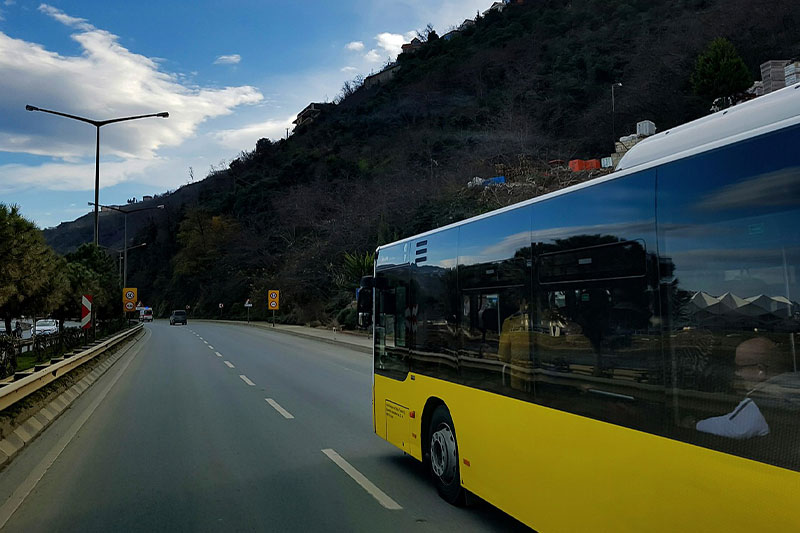
With over 4,000 buses operating across the city, Istanbul’s bus system reaches areas that trams and metros don’t. While buses are budget-friendly, they can be confusing for tourists and are often affected by traffic jams. Google Maps or the Mobiett app helps track real-time routes and schedules.
Taxis & Ride-Hailing
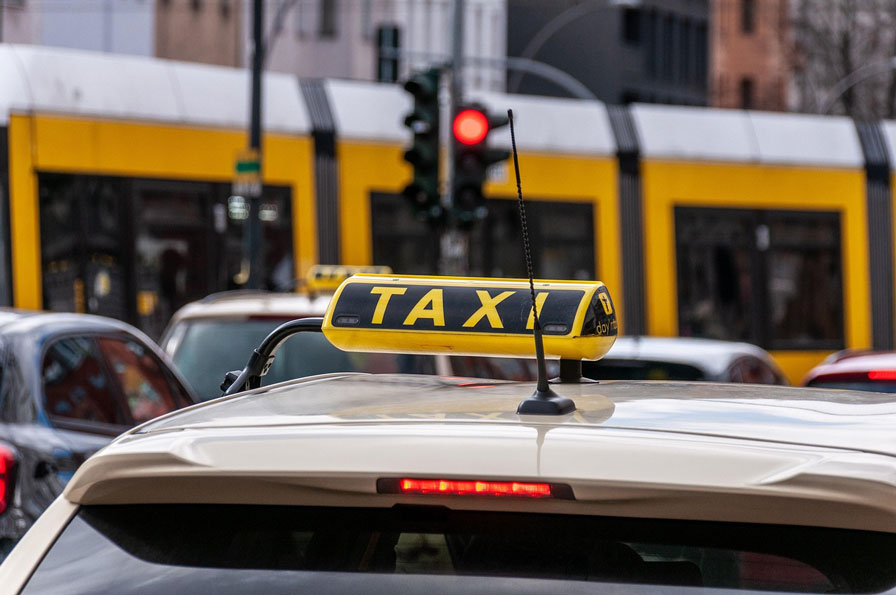
Taxis are available almost everywhere but can be hit-or-miss. Be sure to insist on using the meter. Alternatively, apps like BiTaksi and Uber offer safer and more transparent pricing. Note that traffic can significantly increase your fare and travel time.
Pro Tip: The Marmaray line is a special metro line that travels under the Bosphorus, connecting Europe and Asia in under 5 minutes!
Useful Apps and Tools for Getting Around Istanbul
In today’s digital world, having the right apps on your phone can make navigating Istanbul incredibly smooth. Whether you’re using public transport, planning a route, or calling a taxi, these tools are essential for a hassle-free experience.
Istanbulkart App
This official app lets you:
- Check your card balance
- Find the nearest top-up station
- See your recent travel history
It’s a must-have for anyone using metro, tram, bus, or ferry systems.
Google Maps
Google Maps works great in Istanbul for public transit and walking routes. It provides real-time bus and tram schedules and even notifies you about delays or route changes.
Moovit
A traveler favorite, Moovit offers step-by-step directions for public transport and alerts about station closures or maintenance. It’s particularly helpful if you’re unfamiliar with local names and lines.
Mobiett
This is the official app from IETT, Istanbul’s public transportation authority. You can:
- Track buses in real time
- View nearby stops
- Get estimated arrival times
Although it’s mostly in Turkish, the interface is simple, and it works well with Google Translate.
BiTaksi & Uber
Both apps are widely used for ride-hailing in Istanbul. BiTaksi connects you to licensed taxis, while Uber is back in service with yellow cabs. These apps help you avoid being overcharged and offer digital payment options.
How to Use Public Transport as a Tourist in Istanbul
Using Istanbul’s public transport may seem overwhelming at first, but with a few tips, you’ll be navigating like a local in no time. Here’s how to get started:
Step 1: Get an Istanbulkart
The Istanbulkart is a reloadable smart card that gives you access to metro, tram, bus, ferry, and funicular lines. You can purchase it at:
- Airport kiosks
- Major metro stations
- Some convenience stores
The card costs around ₺70 (approx. $2), and you’ll need to add credit before using it.
Step 2: Locate Nearby Stations
Metro and tram stations are marked clearly with the “M” symbol. Look for signage in blue, red and white. Google Maps or Moovit are very reliable to find the nearest route.
Step 3: Tap In, Tap Out
You’ll find yellow card readers at station entrances. Tap your Istanbulkart on the sensor. On buses, you only need to tap once upon boarding. No tap-out is required unless you’re transferring.
Transfers within a short window offer discounted fares—one of the best perks of using Istanbulkart.
Step 4: Avoid Peak Hours
Rush hours are typically from 07:30–09:30 AM and 5:00–7:30 PM on weekdays. To enjoy a less crowded ride, travel mid-morning or after dinner.
Bonus Tip: Tourist Passes vs. Pay-As-You-Go
There are Istanbul Tourist Cards available online that combine transport, attraction entries, and mobile data. While convenient, they may not be cost-effective unless you’re visiting many attractions in a short time. Pay-as-you-go with Istanbulkart is usually better for budget travelers.
Want help planning your transit routes?
Private Transport & Taxis in Istanbul
While public transportation is efficient and affordable, you might sometimes prefer private options for comfort, convenience, or specific destinations. Here’s what you need to know:
Taxis in Istanbul: What to Expect
Taxis are widely available in Istanbul, but experiences can vary. All official taxis are yellow, with a Taksi sign on top and a meter installed.
- Base fare is around ₺150 (approx. $4), with additional charges per kilometer.
- Make sure the driver starts the meter at the beginning.
- Some taxis may refuse short distances or avoid using the meter—politely insist or use a taxi app instead.
Useful Taxi Apps
- BiTaksi – Works like Uber and shows the fare estimate.
- iTaksi – Operated by the Istanbul Municipality.
- Uber – Available but often redirects to official yellow taxis in Istanbul.
Most apps allow credit card or cash payments.
Private Car Rentals & Drivers
If you’re planning a day trip or traveling with a group, you can rent a private car with a driver. This option offers:
- Full-day flexibility
- Multilingual drivers (on request)
- Door-to-door pickup
Expect to pay around €70–€120 per day, depending on the vehicle and distance.
Airport Shuttles & Transfers
For airport transport, consider:
- Havaist buses – Modern, air-conditioned buses from Istanbul Airport (IST) and Sabiha Gökçen (SAW)
- Private airport transfers – Bookable online, ideal for late-night arrivals or traveling with family
- Taxi – Always available, but fares vary by airport and traffic (typically ₺500–₺1000)
- Metro – You can use new metro line
Need a reliable driver or airport pickup?
Final Tips for Smooth Travel in Istanbul
Exploring Istanbul can be a thrilling adventure, but a few practical tips can make your journey even smoother:
Always Carry Your Istanbulkart
It’s your golden key to trams, metros, buses, and even ferries.
💡 Tip: Load your card with enough balance at vending machines or kiosks near stations to avoid queues.
Download Essential Apps
Before heading out, install:
- Moovit or Trafi – For real-time transit routes
- Google Maps – Works offline if preloaded
- BiTaksi or Uber – For quick taxi hailing
- Metro Istanbul App – Official metro and tram map with updates
Avoid Rush Hours
- Morning: 7:30–9:00 AM
- Evening: 5:30–7:30 PM
Trains and buses get very crowded, especially in central areas like Taksim, Kabatas, or Eminonu.
Use Ferries for Scenic Travel
Instead of squeezing into a bus, take a ferry between Europe and Asia. It’s affordable, relaxing, and gives you breathtaking views of the Bosphorus.
Learn a Few Turkish Travel Words
Most locals don’t speak fluent English. Knowing words like “Durak” (stop), “Otobüs” (bus), or “Havalimanı” (airport) will help a lot.
Walk Whenever You Can
Some of Istanbul’s best experiences happen off the main roads. Short distances between tram stations are often walkable and scenic—perfect for discovering hidden gems.
Want to explore more? Start your journey from the Trip by Ali homepage.
Plan smarter, move easier, and explore deeper.
Ready to map your perfect route through Istanbul?
Written by Ali Rahnama — Local Eco Tour Guide and Travel Storyteller.
Explore my Google Maps contributions •
Discover more at Trip by Ali.