
1. Dondurma (Turkish Ice Cream)
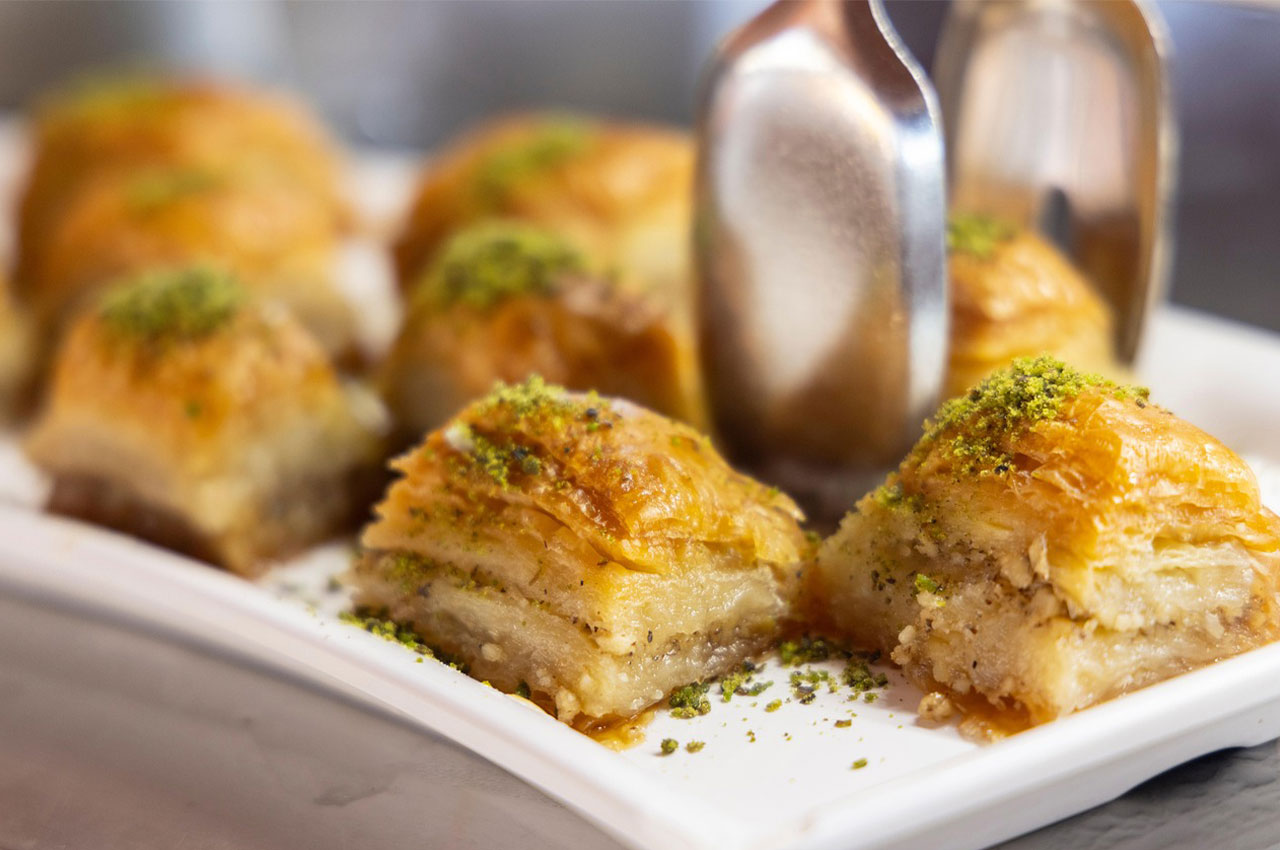
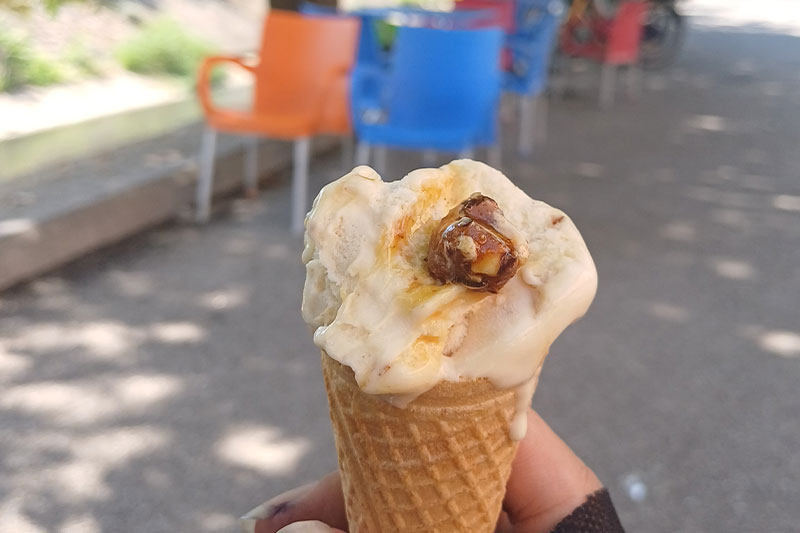
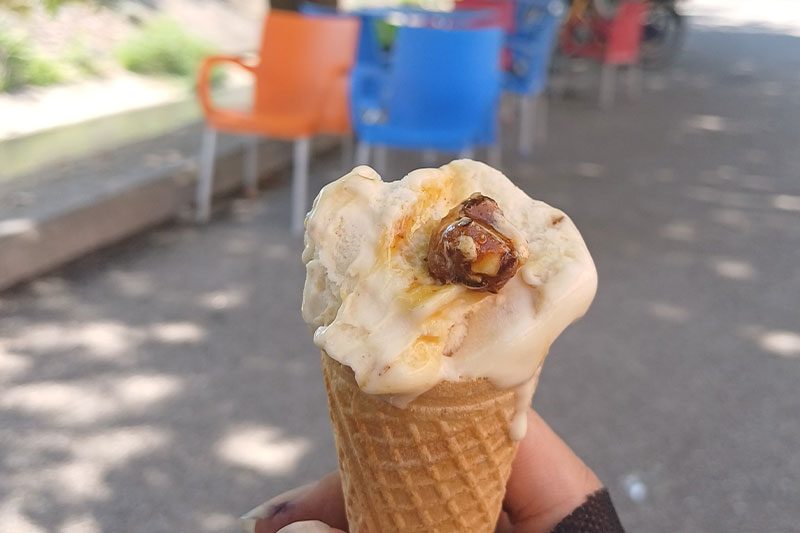
Dondurma features a texture unlike any ice cream you've tried. Crafted with salep and mastic resin, it stretches and bends without melting quickly. Street vendors in tourist areas often entertain customers by teasing the cone, creating a memorable treat. Because of its elasticity and rich dairy flavor, dondurma becomes both a dessert and a performance.
This iconic ice cream traces its roots to Kahramanmaraş, where local artisans refined its unique recipe over centuries. Today, dondurma ranks among the world’s favorite frozen desserts. You can find it in Istanbul, Antalya, and seaside towns—each vendor proud to deliver the classic chewy scoop. See more about the Dondurma.
2. Baklava
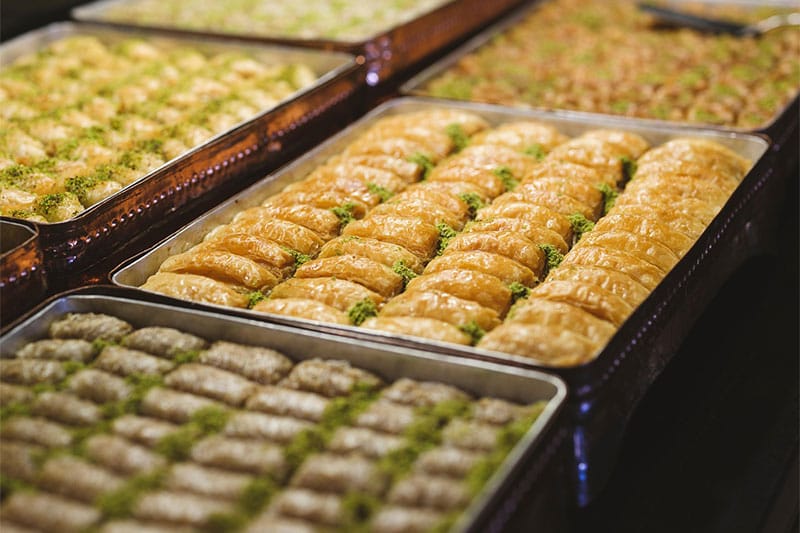
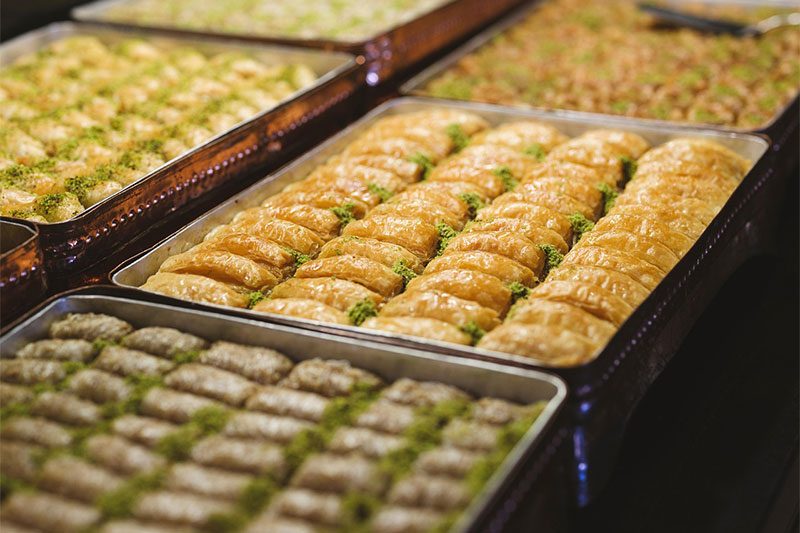
Baklava consists of thin layers of phyllo dough filled with chopped nuts—typically pistachios in Turkey—and soaked in syrup or honey. It delivers a satisfying crunch balanced by rich sweetness, making it a staple at weddings, tea times, and festive occasions. Every bite reflects centuries of culinary refinement.
Various regions offer their own baklava styles: Gaziantep baklava uses local pistachios for a deeper flavor, while bakeries in Istanbul may offer chocolate or walnut fillings. Whether served warm with clotted cream or cold with tea, baklava remains Turkey’s most celebrated dessert.
3. Künefe
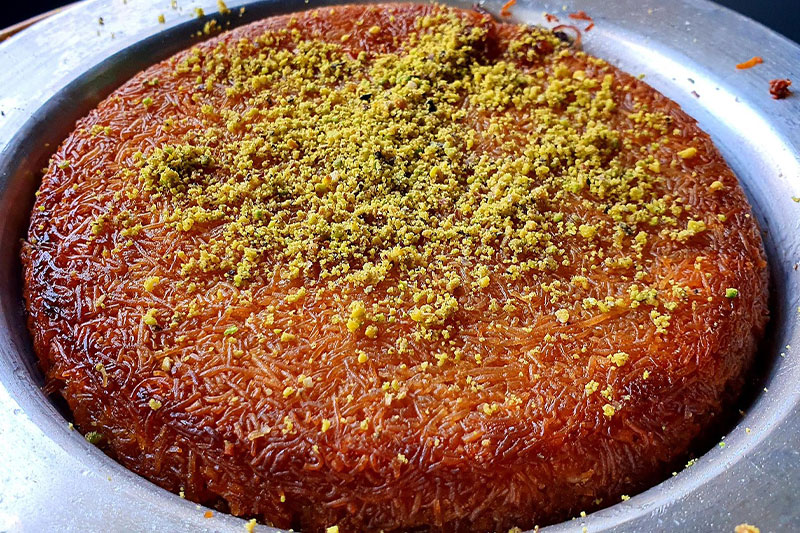
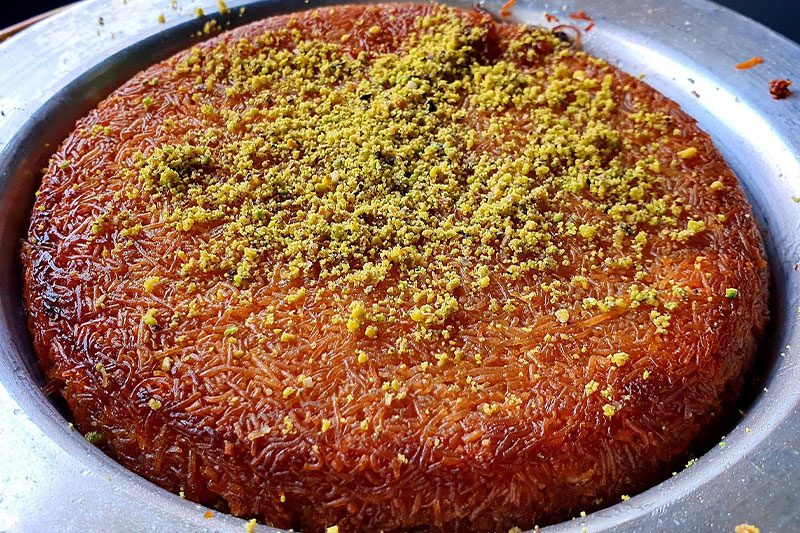
Künefe combines golden strands of crispy kadayıf pastry with hot melted cheese, soaked in sweet syrup and garnished with pistachios. Served warm, it offers a perfect contrast between crispy texture and gooey center. You’ll often see it plated bubbling at street-side stands or specialty dessert shops.
This treat originates in southeastern Turkey, particularly in towns like Gaziantep. Local cheese, baked in copper trays, gives a distinctive flavor and melty texture. Tourists seeking both novelty and tradition often try künefe during evening market strolls.
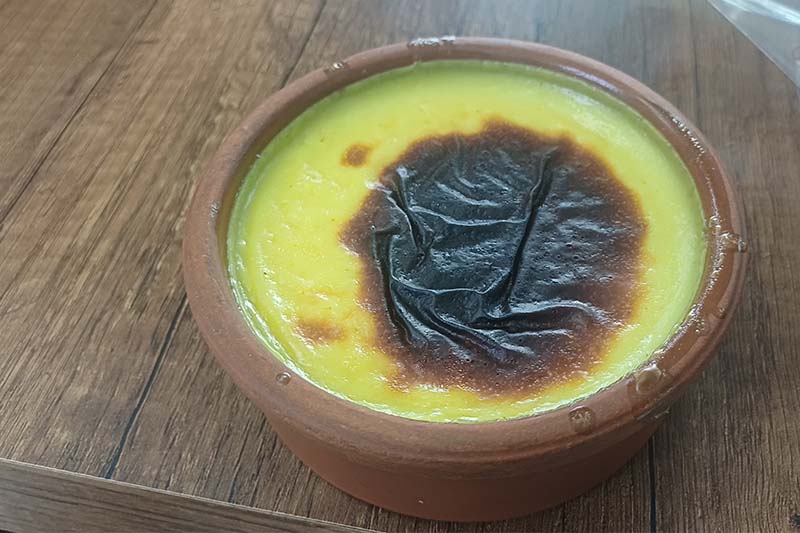
4. Sütlaç (Rice Pudding)
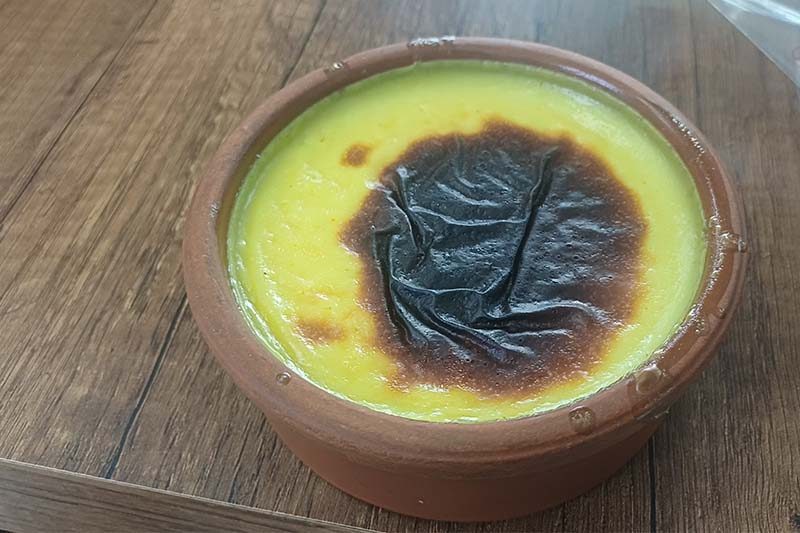
Sütlaç, the Turkish rice pudding, offers a creamy and gently sweet experience. It blends rice, milk, sugar, and sometimes a hint of rose water or vanilla. After slow baking, the top caramelizes slightly, creating a golden skin. Served chilled, it’s refreshing yet comforting, ideal after a heavy meal.
You’ll find sütlaç in home kitchens and local eateries across Turkey. Many bakeries garnish it with cinnamon, pistachio, or fruit. Because it uses familiar ingredients and gentle textures, it's popular among children and older guests alike.
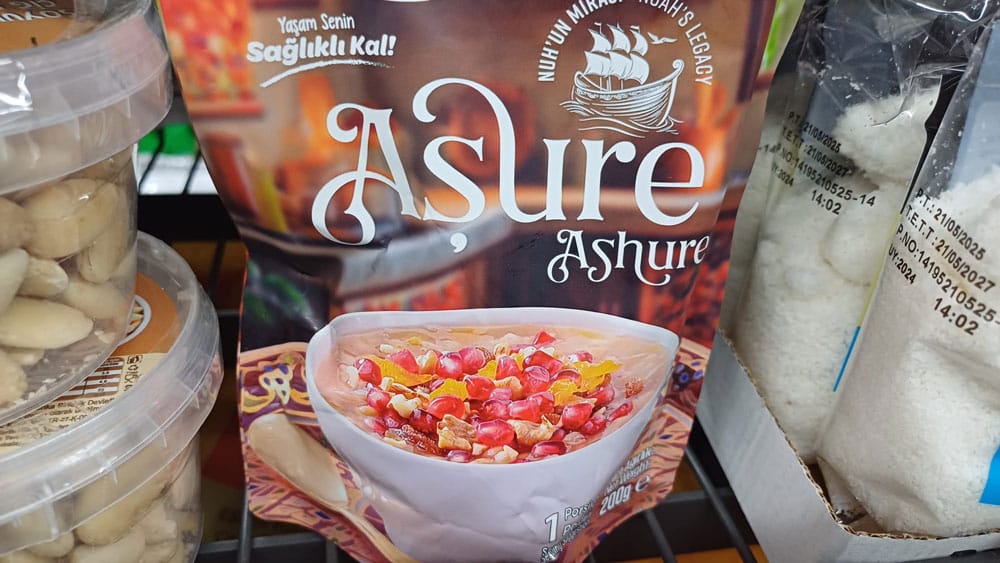
5. Aşure (Noah’s Pudding)
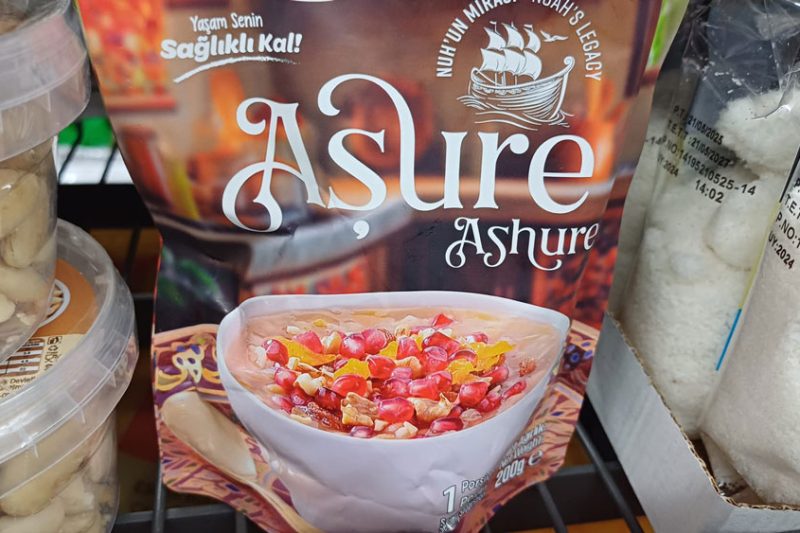
Aşure is a symbolic pudding made by simmering wheat berries, beans, chickpeas, raisins, nuts, and spices. Known as "Noah’s Pudding," it's traditionally prepared during the Islamic month of Muharram and shared with neighbors as a gesture of unity and gratitude. Its mix of textures and flavors highlights Turkish cultural values.
Each community has its own recipe: some add dried fruit, others prefer more nuts or cinnamon. The dessert’s grain-heavy composition offers nutrients and fiber—making it nourishing and socially meaningful. Many mosques and households distribute aşure on Ashura day. See more about the Aşure.
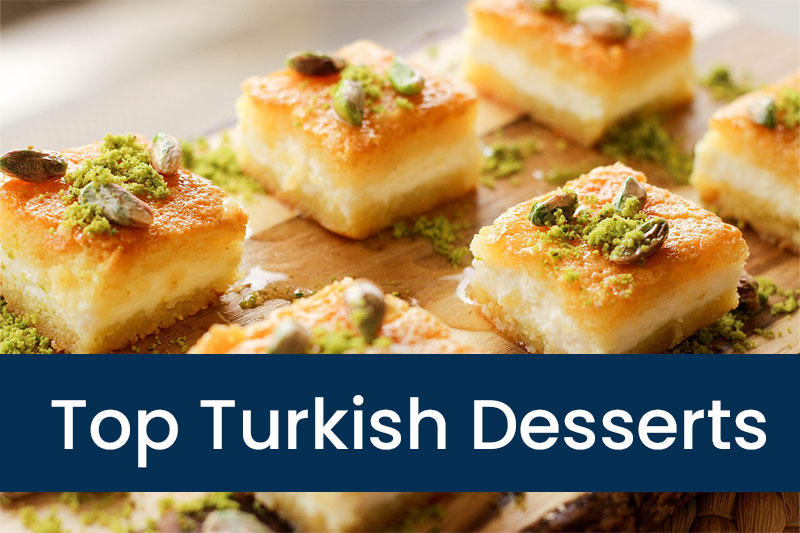
6. Revani (Turkish Semolina Cake)
Revani is a light and moist semolina cake soaked in sweet syrup, offering a delightful balance between texture and sweetness. It originated during the Ottoman period and quickly became a staple of Turkish households due to its simple ingredients and satisfying flavor. The use of semolina gives the cake a grainy texture that contrasts beautifully with the syrup.
Traditionally, Revani is flavored with lemon zest or orange blossom water, giving it a refreshing aroma. It is often served during religious holidays or after large meals as a light dessert. Revani is widely enjoyed across Turkey, from family dinners to upscale restaurants, and is often garnished with grated coconut or crushed pistachios.
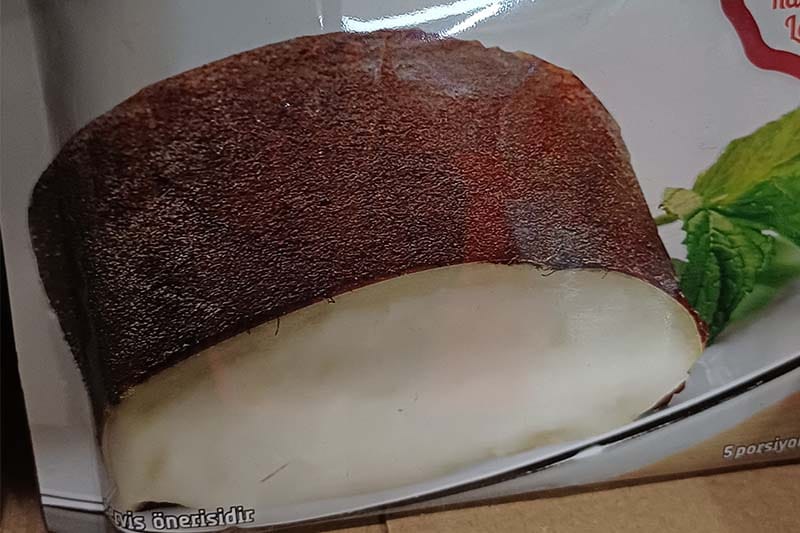
7. Kazandibi (Caramelized Milk Pudding)
Kazandibi, meaning "bottom of the cauldron," is a unique Turkish dessert created by caramelizing the bottom layer of a milk pudding called Muhallebi. The result is a creamy, velvety dessert with a smoky caramel crust, offering an intriguing contrast in taste and texture.
It is believed that Kazandibi was invented in the Ottoman palace kitchens and has since spread throughout Turkey. Often served chilled, it’s especially popular in summer months. Its dramatic appearance—dark on one side and pure white on the other—makes it an eye-catching addition to any dessert platter.
8. Muhallebi
Muhallebi is one of Turkey’s most beloved traditional desserts, made from milk, sugar, and rice flour or cornstarch. This smooth and creamy pudding is often flavored with rosewater or vanilla, making it both fragrant and comforting. With roots in Ottoman cuisine, Muhallebi has been cherished for centuries as a light, delightful dessert enjoyed by people of all ages.
Muhallebi can be served plain or garnished with cinnamon, chopped pistachios, or dried fruits. In many cafés and restaurants across Turkey, it is presented as a chilled dessert after the main course. Its delicate texture and balanced sweetness make Muhallebi a healthy and popular choice among lovers of traditional desserts.
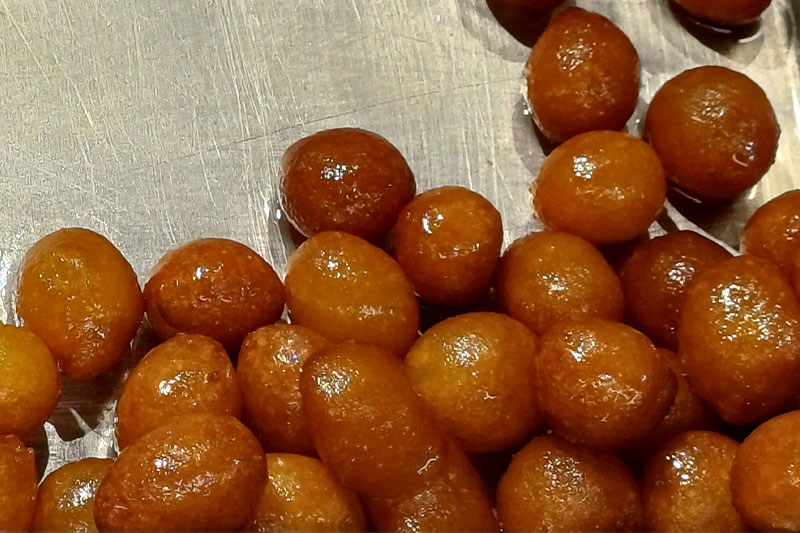
9. Lokma (Sweet Fried Dough)
Lokma are small balls of deep-fried dough soaked in syrup, resembling miniature donuts. These golden bites are crispy on the outside and soft on the inside, making them a popular street food treat.
Historically, Lokma were prepared during special events, religious ceremonies, or as an offering in memorial services. Today, food trucks and cafés serve them freshly fried, often drizzled with chocolate or sprinkled with powdered sugar, making them a favorite among locals and tourists alike.
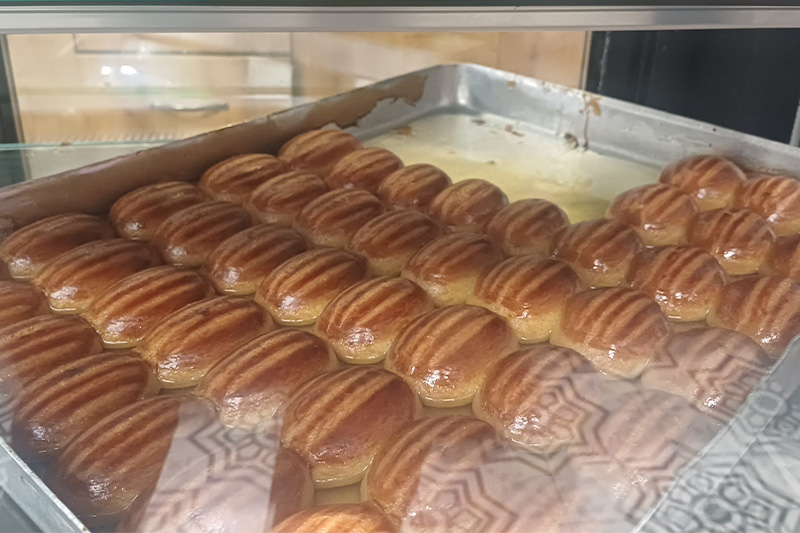
10. Şekerpare
Şekerpare is a classic Turkish dessert, consisting of soft, buttery cookies soaked in a fragrant sugar syrup. Its name literally means “piece of sugar,” reflecting its sweet and indulgent flavor. This dessert has been a staple in Ottoman and Turkish cuisine for centuries and is traditionally served during special occasions, festivals, and family gatherings.
Şekerpare is usually garnished with a single almond on top and served chilled or at room temperature. While the traditional recipe uses semolina for a slightly grainy texture, modern variations may include subtle flavors like lemon zest or vanilla. Its perfect balance of sweetness and tenderness makes Şekerpare a favorite among locals and visitors alike.
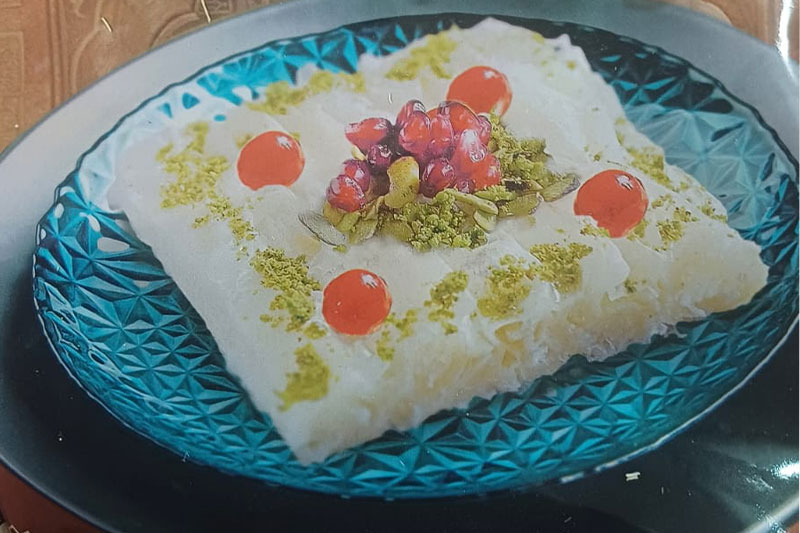
11. Güllaç (Layered Rosewater Dessert)
Güllaç is a light, layered dessert made with special thin starch sheets soaked in milk and rosewater. It is especially popular during Ramadan due to its refreshing qualities and ease of digestion.
Often filled with crushed nuts between the layers and topped with pomegranate seeds or pistachios, Güllaç has a delicate floral taste. Its silky texture and elegant presentation make it a highlight of Ramadan dinners and festive gatherings.
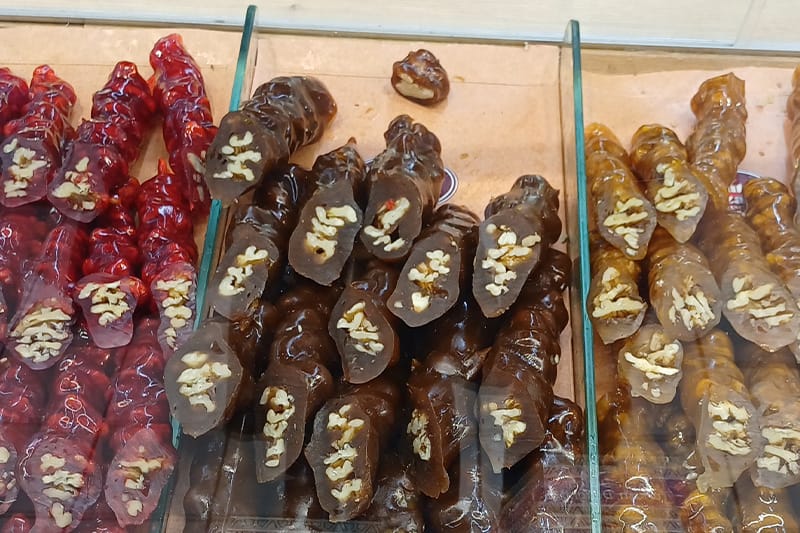
12. Cevizli Sucuk (Walnut Sausage)
Cevizli Sucuk, also known as "churchkhela" in neighboring regions, is a dessert made by dipping strings of walnuts into thickened grape molasses. Once dried, it forms a sausage-like sweet with a chewy texture and rich flavor.
It’s commonly found in the eastern parts of Turkey and is often prepared in the fall during grape harvest season. Despite its rustic look, it is nutrient-dense and popular among hikers and locals as a natural energy snack.
13. Helva (Halva)
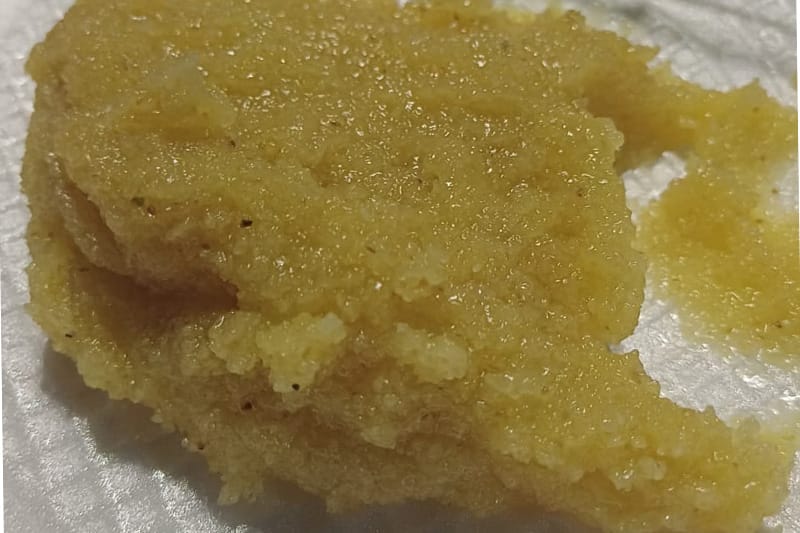
Helva comes in various forms in Turkey, but the two most common are tahini-based and flour-based versions. Both are dense and sweet, often flavored with vanilla, cocoa, or nuts.
It is traditionally served during religious occasions, funerals, or as a comforting sweet in everyday life. Helva has deep roots in Middle Eastern and Anatolian cultures, and you can find artisanal versions in Turkish bazaars with unique regional variations.
14. Kestane Şekeri (Candied Chestnuts)
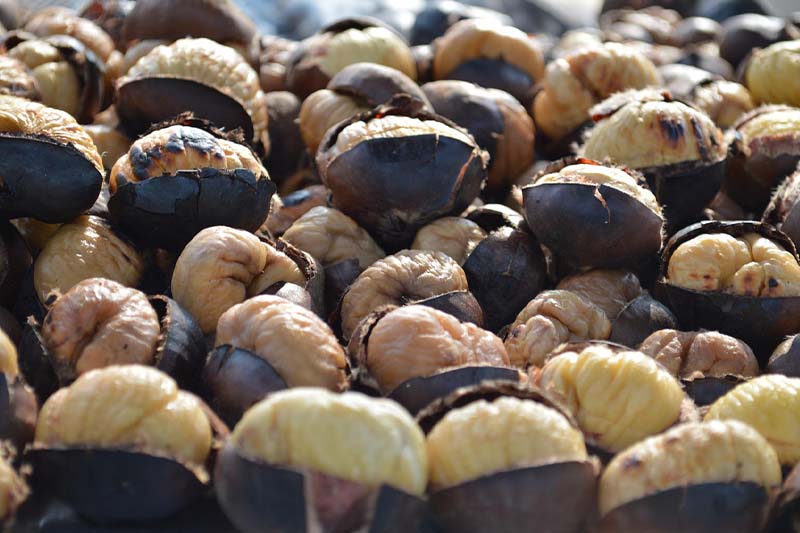
Kestane Şekeri is a specialty of Bursa, made by simmering chestnuts in sugar syrup until they become tender and glossy. It offers a rich, nutty flavor and is often sold in elegant gift boxes.
These sweet chestnuts are typically enjoyed during colder months and are a luxurious treat during festive seasons. Due to its delicate preparation process, Kestane Şekeri is considered a gourmet dessert.
15. Zerde (Saffron Rice Pudding)
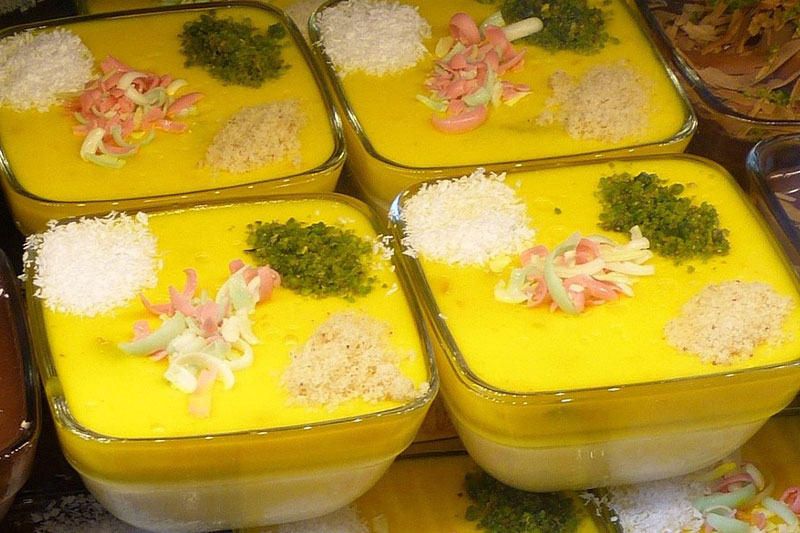
Zerde is a vibrant yellow rice pudding flavored with saffron and sweetened with sugar, often served during weddings or celebrations. Unlike Sütlaç, Zerde does not use milk, making it lighter and vegan-friendly.
The color and aroma from saffron give it a festive feel, and it is commonly garnished with pine nuts, currants, or pomegranate seeds. This dessert originates from the southeastern regions of Turkey but is now loved across the country.
16. İrmik Helvası (Semolina Halva)
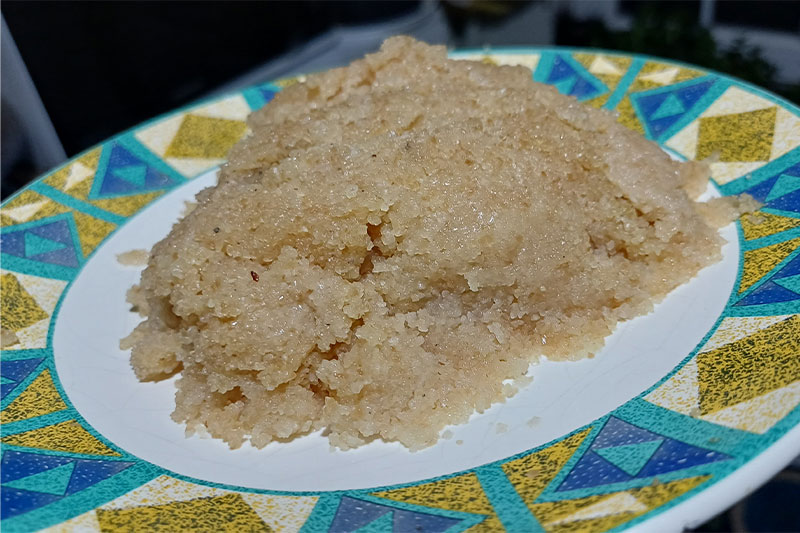
İrmik Helvası is a warm, aromatic dessert made by toasting semolina in butter and then combining it with milk, sugar, and pine nuts. It is commonly prepared during funerals and religious events but is also a comforting everyday dessert.
Its nutty flavor and soft, moist texture make it a household favorite. Some versions include vanilla or cocoa powder for variation, while others are stuffed with ice cream for a modern twist.
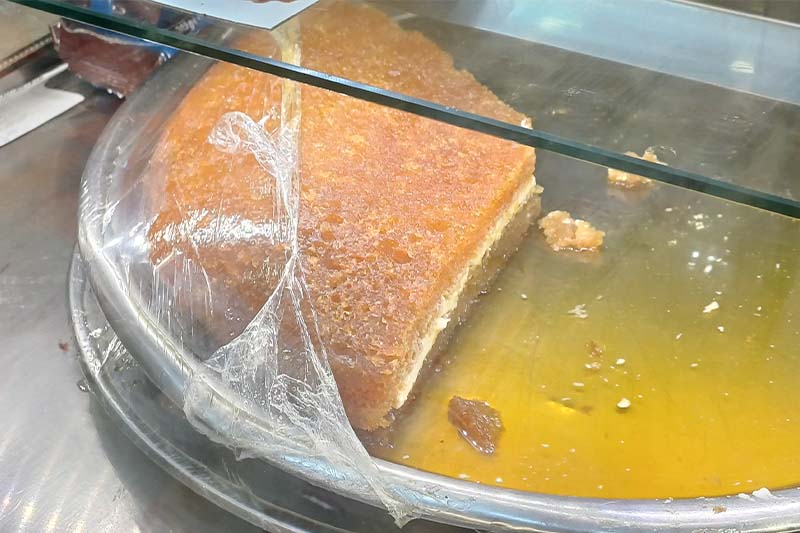
17. Kaymaklı Ekmek Kadayıfı (Bread Pudding with Clotted Cream)
This dessert is made by soaking a special type of dry bread in syrup and topping it with thick clotted cream (kaymak). It is rich and indulgent, ideal for those who enjoy heavier, traditional sweets.
Ekmek Kadayıfı is especially popular in central Anatolia and is served during feasts and holidays. The contrast between the syrup-soaked bread and the cool, creamy topping makes it a unique and satisfying treat.
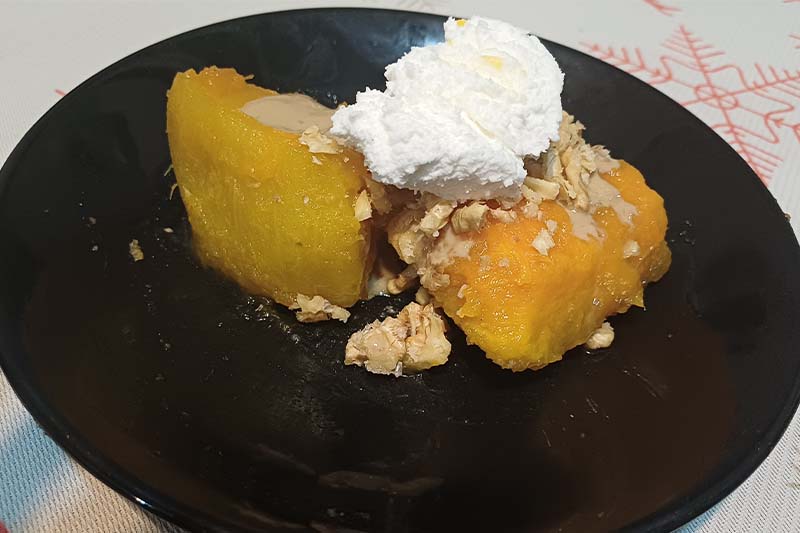
18. Fırın Kabak Tatlısı (Baked Pumpkin Dessert)
Made by baking pumpkin slices with sugar until they caramelize, this dessert is simple yet flavorful. It is usually topped with tahini, crushed walnuts, or clotted cream.
Popular in fall and winter, it reflects Turkey’s agricultural heritage and appreciation for seasonal produce. The sweetness of the pumpkin pairs beautifully with the earthy toppings, making it a healthy-ish indulgence.
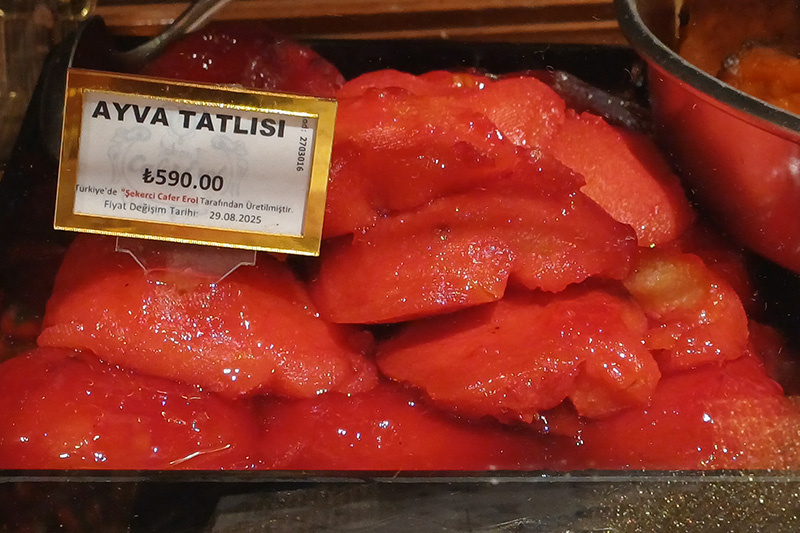
19. Ayva Tatlısı (Poached Quince Dessert)
Ayva Tatlısı features halved quinces poached in syrup until soft and slightly pink. It’s a refined dessert, often served with kaymak or whipped cream and garnished with crushed pistachios.
Quince is a symbol of abundance in Turkish culture, and this dessert often appears during the winter months. It combines the fruit’s natural tartness with the richness of the syrup and toppings for a sophisticated flavor.
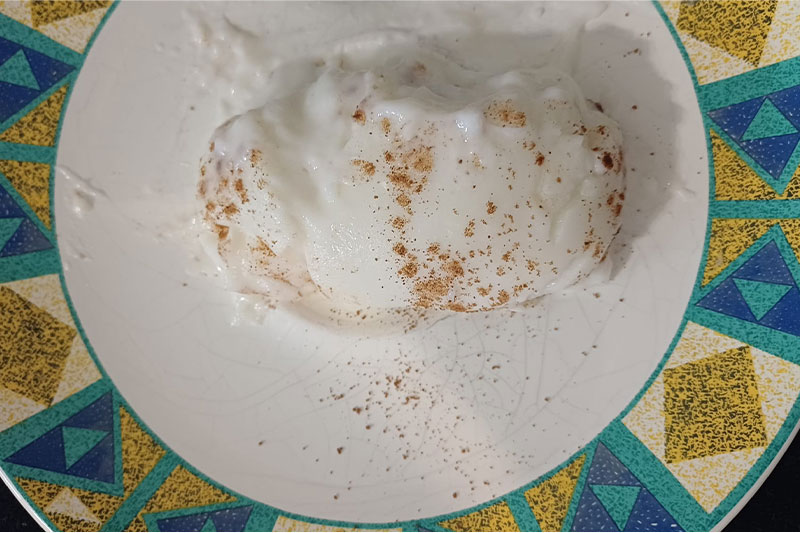
20. Tavuk Göğsü (Chicken Breast Pudding)
Yes, this famous Ottoman dessert actually contains finely shredded chicken breast! Mixed with milk, sugar, and rice flour, it results in a surprisingly smooth and mild pudding
Tavuk Göğsü is often flavored with cinnamon and served chilled. It’s a historical delicacy that fascinates modern diners and showcases the creativity of Ottoman palace cuisine

Written by Ali Rahnama — Local Eco Tour Guide and Travel Storyteller.
Explore my Google Maps contributions •
Discover more at Trip by Ali.