
Discover the Wonders of Türkiye: A Complete Guide to World-Class Attractions
Explore Top Attractions in Türkiye
The world of attractions in Türkiye (formerly known as Turkey) is an extraordinary mosaic where thousands of years of human history meet some of the most breathtaking natural landscapes on the planet. From the sun-drenched turquoise coasts of the Mediterranean to the snow-capped peaks of the Taurus and Kaçkar mountains, this country serves as a bridge not just between continents, but between the ancient past and a vibrant, modern future. Whether you are a history enthusiast seeking the ruins of lost empires or a nature lover looking for serene lakes and lush forests, the diversity of experiences here is truly unparalleled.
Exploring these attractions offers more than just sightseeing; it provides a deep dive into a land that has hosted the greatest civilizations in history, from the Hittites and Romans to the Seljuks and Ottomans. Every corner of the country boasts a unique story, reflected in its architecture, social traditions, and the legendary hospitality of its people. To fully appreciate the spirit of these locations, it is helpful to understand the foundational Culture and Society of Türkiye that breathes life into these historic and modern landmarks.
Istanbul: The Majestic Metropolis of Two Continents
Istanbul stands as the beating heart of the nation, a unique metropolis that straddles both Europe and Asia across the legendary Bosphorus Strait. As the former capital of three great empires—Roman, Byzantine, and Ottoman—the city is a living museum where imperial mosques, Byzantine churches, and modern skyscrapers coexist in a stunning skyline. Its atmosphere is a captivating blend of the mystical calls to prayer echoing from ancient minarets and the energetic pulse of a world-class financial and cultural hub, making it the primary starting point for any traveler exploring Türkiye.
Beyond its world-famous historical peninsula, Istanbul offers an endless array of contemporary attractions designed for every type of visitor. For those seeking leisure and nature, the city boasts sprawling coastal parks like Caddebostan and serene green escapes like Emirgan Park, while its diverse shoreline offers beautiful beaches along the Black Sea and the Marmara Sea. The city’s social life is anchored in its world-renowned culinary scene, where historic tea gardens in Pierre Loti meet avant-garde rooftop restaurants in Beyoğlu and cozy third-wave coffee shops in the backstreets of Kadıköy.
The city is also a global magnet for shopping and wellness, offering a mix of tradition and modernity that is hard to find elsewhere. You can lose yourself in the labyrinthine alleys of the Grand Bazaar and the Spice Market, or indulge in luxury at high-end shopping malls like Istinye Park and Zorlu Center. Furthermore, Istanbul has emerged as a premier destination for medical tourism, housing world-class clinics and aesthetic centers specializing in advanced hair transplants, dental care, and dermatological treatments. Because this city holds such a massive wealth of sights, we have dedicated a full resource to its specific landmarks; be sure to visit our Ultimate Guide to Istanbul Attractions to plan your journey through this magnificent city in detail.
Echoes of Civilizations: Historical and Ancient Landmarks
The historical landscape of Türkiye (is an unparalleled journey through the timeline of human civilization, offering a density of archaeological wealth that few places on Earth can match. Anatolia has served as the cradle for dozens of empires, and today, the country stands as an open-air museum where the remnants of the Hittites, Phrygians, Greeks, Romans, Byzantines, and Ottomans are meticulously preserved. These sites are not merely ruins; they are grand architectural statements that demonstrate the engineering genius and artistic sophistication of our ancestors, attracting millions of history enthusiasts and researchers annually.
From the world’s oldest known temple to grand amphitheaters that once echoed with the voices of thousands, the historical attractions here span thousands of years. The preservation of these sites allows visitors to walk through ancient marble-paved streets, explore mysterious underground cities, and stand beneath the massive domes of medieval caravanserais. This deep historical heritage is a fundamental part of the national identity, and each site offers a unique chapter in the story of how East and West have intersected over millennia.
Greco-Roman Wonders and Classical Cities
The western and southern coasts of the country are home to some of the best-preserved classical cities in the world. Ephesus (Efes) in İzmir stands as the most iconic, featuring the magnificent Library of Celsus and a massive Great Theater that once held 25,000 spectators. Beyond Ephesus, the ancient city of Hierapolis, located atop the white terraces of Pamukkale, offers a unique blend of thermal spa history and grand Roman architecture, including a remarkably intact necropolis.
Further inland and along the coast, other Greco-Roman gems offer equally breathtaking experiences. Aphrodisias is renowned for its exquisite marble sculptures and a dedicated stadium that is one of the best-preserved of its kind. In the Mediterranean region, the ruins of Perge and the stunning theater of Aspendos—where acoustics are so perfect that they are still used for opera festivals today—showcase the sheer scale of Roman urban planning. These cities provide an immersive look into a time when Anatolia was a thriving center of the classical world.
The Cradle of Faith: Religious and Biblical Sites
Türkiye has long been a focal point for various world religions, housing sites that are sacred to millions. In the Southeast, Göbeklitepe has rewritten human history as the world’s oldest known temple complex, dating back over 11,000 years. For those following Christian heritage, the House of the Virgin Mary near Ephesus and the Seven Churches of Revelation located across the Aegean region are essential pilgrimage sites.
In the northeastern Black Sea region, the Sumela Monastery is a marvel of engineering, perched precariously on a sheer cliff face in Trabzon, showcasing stunning frescoes and Byzantine monastic life. Further east, the medieval Armenian city of Ani, known as the “City of 1001 Churches,” sits on the border of Kars, offering a hauntingly beautiful landscape of ruined cathedrals and palaces. These sites highlight the spiritual diversity and the enduring religious legacy that has shaped the region for centuries.
Christian & Islamic Landmarks in Istanbul
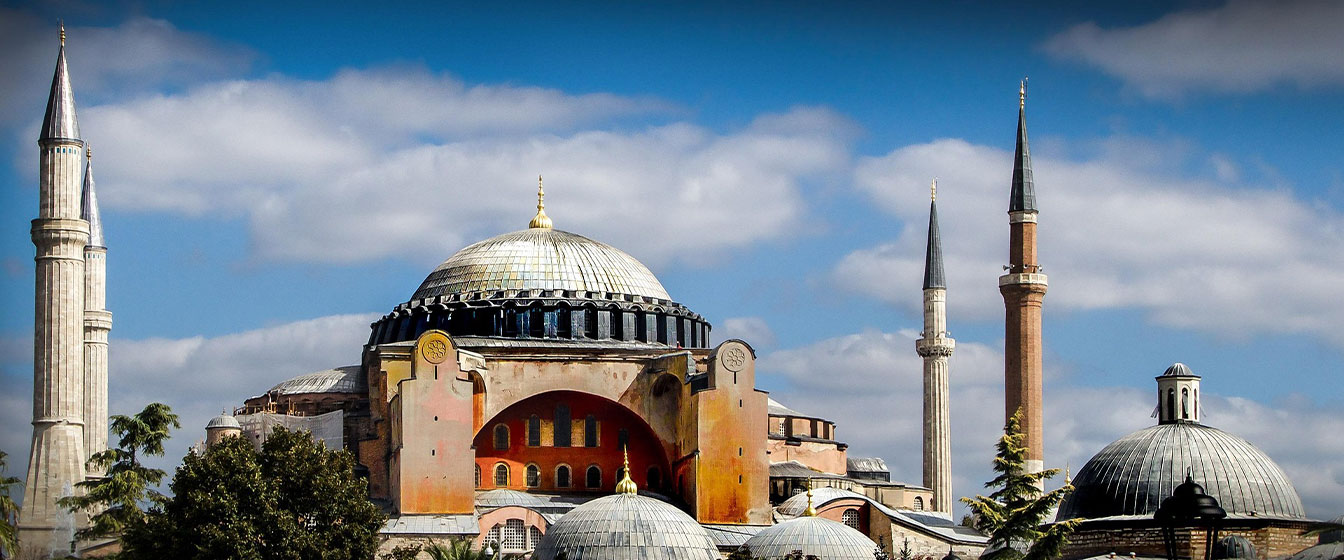
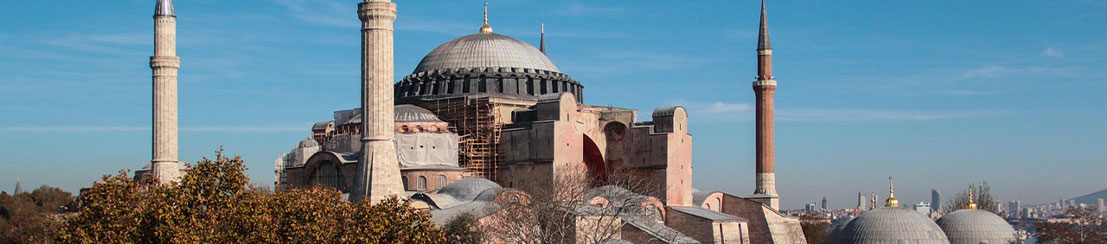
As the heir to the Byzantine Empire, Istanbul is home to some of the world’s most significant Christian heritage sites. The Hagia Sophia, originally built as the world’s largest cathedral, stands as a masterpiece of Byzantine engineering with its massive domes and intricate mosaics, serving as a unique fusion of Christian and Islamic art. Similarly, the Chora Church offers a glimpse into the spiritual depth of the Byzantine era, featuring some of the best-preserved 14th-century frescoes and mosaics that continue to captivate art historians and visitors alike.
A journey through this city is incomplete without visiting the historic mosques that define its skyline. The Sultan Ahmed Mosque (Blue Mosque), with its six minarets and stunning İznik tiles, is the pinnacle of Ottoman architectural beauty. Nearby, the Süleymaniye Mosque, designed by the legendary architect Sinan, offers a serene interior with masterful natural lighting. This structure is not just a place of worship but a massive cultural complex including libraries, baths, and charity kitchens, representing the height of the Ottoman Golden Age.
Seljuk and Ottoman Architectural Masterpieces Beyond Istanbul
While Istanbul is famous for its imperial architecture, the heart of Anatolia contains the foundational masterpieces of the Seljuk and Ottoman eras. Bursa, the first capital of the Ottoman Empire, is home to the Ulu Cami (Grand Mosque) with its twenty domes and the historic silk markets (Koza Han). In Edirne, the former frontier capital, the Selimiye Mosque stands as the masterpiece of the legendary architect Sinan, featuring some of the tallest minarets in the world and an interior of breathtaking harmony.
Further east, the Ishak Pasha Palace in Ağrı is a stunning fusion of Ottoman, Persian, and Seljuk styles, looking out over the plains near Mount Ararat. Throughout central Anatolia, particularly in cities like Konya and Sivas, visitors can find ornate Madrasas (educational institutions) and Caravanserais (roadside inns) like the Sultan Han, which once served the merchants of the Silk Road. These structures represent the peak of Islamic architecture and the strategic importance of Anatolia as a bridge for global trade and culture.
Underground Cities and Troglodyte Architecture
The unique geological landscape of Cappadocia led to the creation of some of the most fascinating historical structures on the planet: underground cities. Developed as refuges during times of invasion, cities like Derinkuyu and Kaymaklı descend multiple levels into the soft volcanic rock, complete with ventilation shafts, stables, wineries, and chapels. These subterranean complexes could once house thousands of people for months at a time, showcasing incredible defensive ingenuity.
Complementing these hidden cities are the rock-cut churches and dwellings found in the Göreme Open Air Museum and the Ihlara Valley. These structures, carved directly into the “fairy chimney” rock formations, feature beautifully preserved Byzantine frescoes and offer a glimpse into the ascetic lives of early Christian monks. This blend of natural wonder and man-made history makes the central Anatolian plateau one of the most distinctive historical attractions in the world.
Imperial Grandeur: Ottoman Palaces of Istanbul
For centuries, Istanbul served as the seat of the Ottoman Sultans, housing some of the most magnificent palaces of the empire. These structures were not merely residences for the royal family; they were the administrative, political, and artistic centers of a vast world spanning three continents. Today, visiting these palaces is a journey into the opulent lives of the Sultans, offering a glimpse through mysterious corridors and sprawling gardens overlooking the Bosphorus, showcasing the transition from classical Ottoman architecture to European-influenced styles.
Among these stunning landmarks, Topkapi Palace stands as the primary residence of the Sultans after the conquest of Istanbul, housing four centuries of history within its labyrinthine courtyards and royal treasury. In contrast, Dolmabahçe Palace, with its Neo-Baroque architecture dripping in gold and crystal, represents the empire’s 19th-century efforts to embrace European modernity. Additionally, Yıldız Palace, with its lush gardens and wooden pavilions, offers a tranquil and distinct experience of royal life at the end of the Ottoman era.
Natural Wonders: The Diverse Landscapes of Anatolia
The geographical diversity of Türkiye is a world of its own, offering a breathtaking spectrum of natural attractions that can satisfy any traveler, from the most adventurous explorer to those seeking serene relaxation. Situated as a land bridge where three continents converge, the country boasts an astonishing variety of ecosystems, climates, and geological formations. From the dense, lush temperate rainforests and high Yaylas (plateaus) of the Black Sea region to the arid yet mesmerizing volcanic valleys of Central Anatolia, the country’s natural landscapes are as rich and varied as its history.
Exploring these natural wonders provides an immersive experience into the wild beauty of the Anatolian peninsula. Visitors can hike through majestic mountain ranges, swim in crystal-clear turquoise bays, explore mysterious canyons, or witness unique thermal phenomena that have captivated humans for millennia. The preservation of these diverse ecosystems is a source of national pride, and many of these areas are protected as national parks, UNESCO World Heritage sites, and biosphere reserves.
The Turquoise Coast: Beaches, Bays, and Islands
The Mediterranean and Aegean coasts are world-renowned as the “Turquoise Coast,” a stretching paradise of azure waters, secluded bays, golden sands, and pine-clad mountains. Ölüdeniz (the Blue Lagoon) near Fethiye is perhaps the most famous beach in the country, celebrated for its stunning blue hues and as a premier paragliding spot. Further southeast in Antalya, Kaputaş Beach, a pocket beach set in a dramatic gorge, is equally iconic. For those seeking historical beaches, Patara offers an 18-kilometer stretch of sand with ancient Lycian ruins right on the shore, while the Iztuzu Beach in Dalyan is a protected nesting ground for endangered Caretta caretta turtles.
The archipelago surrounding the mainland offers equally captivating coastal experiences. While many know the resort towns, islands like Gökçeada (Türkiye’s largest island) and Bozcaada offer charming Aegean village life, vineyards, and pristine beaches with a more laid-back atmosphere. In the south, the island of Kekova is famous for its “Sunken City”—ancient Lycian ruins submerged beneath the clear waters, best explored by boat or kayak. These coastal areas are perfect for sailing the “Blue Cruise” routes, diving, and windsurfing.
Majestic Mountains, Lush Plateaus (Yaylas), and Forests
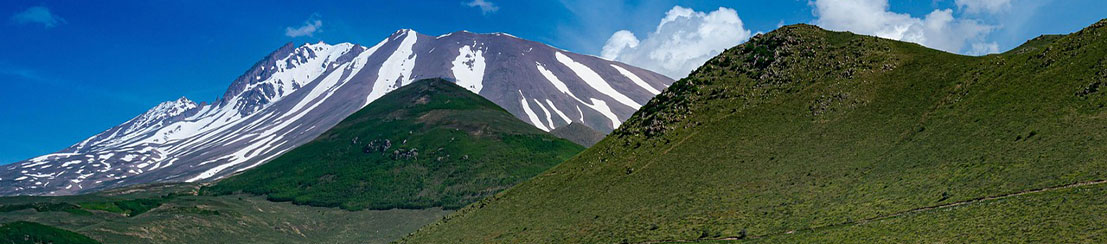
Moving away from the coast, the heart of Anatolia is dominated by grand mountain ranges. The Kaçkar Mountains in the northeastern Black Sea region are a haven for trekkers, offering rugged peaks, alpine lakes, and green valleys dotted with traditional wooden houses. This region is famous for its Yaylas, or high summer plateaus, such as Ayder Yaylası in Rize and Pokut Yaylası, where local culture remains deeply tied to the mountains. These high elevations offer cooler temperatures and spectacular landscapes of mist-shrouded green slopes and traditional herding life.
In the south, the Taurus Mountains provide a dramatic backdrop to the Mediterranean coast and offer opportunities for hiking the Lycian Way—a 540-kilometer historical trekking route. The forests of Türkiye are also a significant natural attraction; the Yedigöller National Park (Seven Lakes) in Bolu is renowned for its vibrant autumn colors, dense beech and oak forests, and serene lake views. Even closer to the metropolis, the Belgrad Forest on the outskirts of Istanbul (though we are minimizing Istanbul, it is an important escape for locals) offers extensive hiking trails and arboretums.
Enchanting Lakes and Thermal Travertines
Türkiye is home to numerous breathtaking lakes, each with its unique character. Lake Van (Van Gölü) in the far east is the country’s largest lake, a vast soda lake with spectacular turquoise waters surrounded by snow-capped mountains and home to the historic Akdamar Island. In the south, Lake Salda, often referred to as the “Turkish Maldives,” is a volcanic lake famous for its brilliant white beaches (made of magnesium) and deep blue, transparent waters. Further central, Lake Tuz (Tuz Gölü), one of the largest salt lakes in the world, becomes a mesmerizing pink hues in the summer and is a vital nesting area for greater flamingos.
Perhaps the most unique thermal phenomenon is Pamukkale (Cotton Castle) in Denizli. This UNESCO World Heritage site is a geological wonder of dazzling white terraces formed by calcium-rich thermal waters flowing down the mountain slope. Visitors can walk on the travertines and bathe in the warm, healing waters, just as people did in the ancient city of Hierapolis, which sits right atop the formations. Other thermal attractions, like the therapeutic hot springs of Afyonkarahisar and the volcanic mud baths near Dalyan, draw visitors seeking wellness and relaxation.
Canyons, Valleys, and Geoparks
The volcanic and tectonic activity of the Anatolian plateau has carved dramatic canyons and valleys that are spectacular natural attractions. The Saklıkent Canyon near Fethiye is one of the deepest and longest canyons in the country, where visitors can walk through the icy waters between sheer cliff walls. Central Anatolia’s Ihlara Valley is another marvel, a 16-kilometer volcanic gorge with the Melendiz River flowing through it, famous for its numerous rock-cut Byzantine churches. The dramatic rock formations of the Güver Canyon in Antalya also offer scenic viewpoints over the Taurus Mountains.
Complementing these are unique geoparks and unusual landscapes. Cappadocia is renowned for its “fairy chimneys”—towering, cone-shaped rock formations that create a surreal, almost lunar landscape. But beyond Cappadocia, the Kula Geopark in Manisa is known as the “Katakekaumene” (Burnt Land), featuring extensive volcanic cones, lava flows, and ancient ash mounds, offering a completely different but equally fascinating geological story. The dramatic cascades of the Düden Waterfalls and Manavgat Waterfall in Antalya show how water has sculpted the Mediterranean landscape.
Winter Natural Attractions and Islands
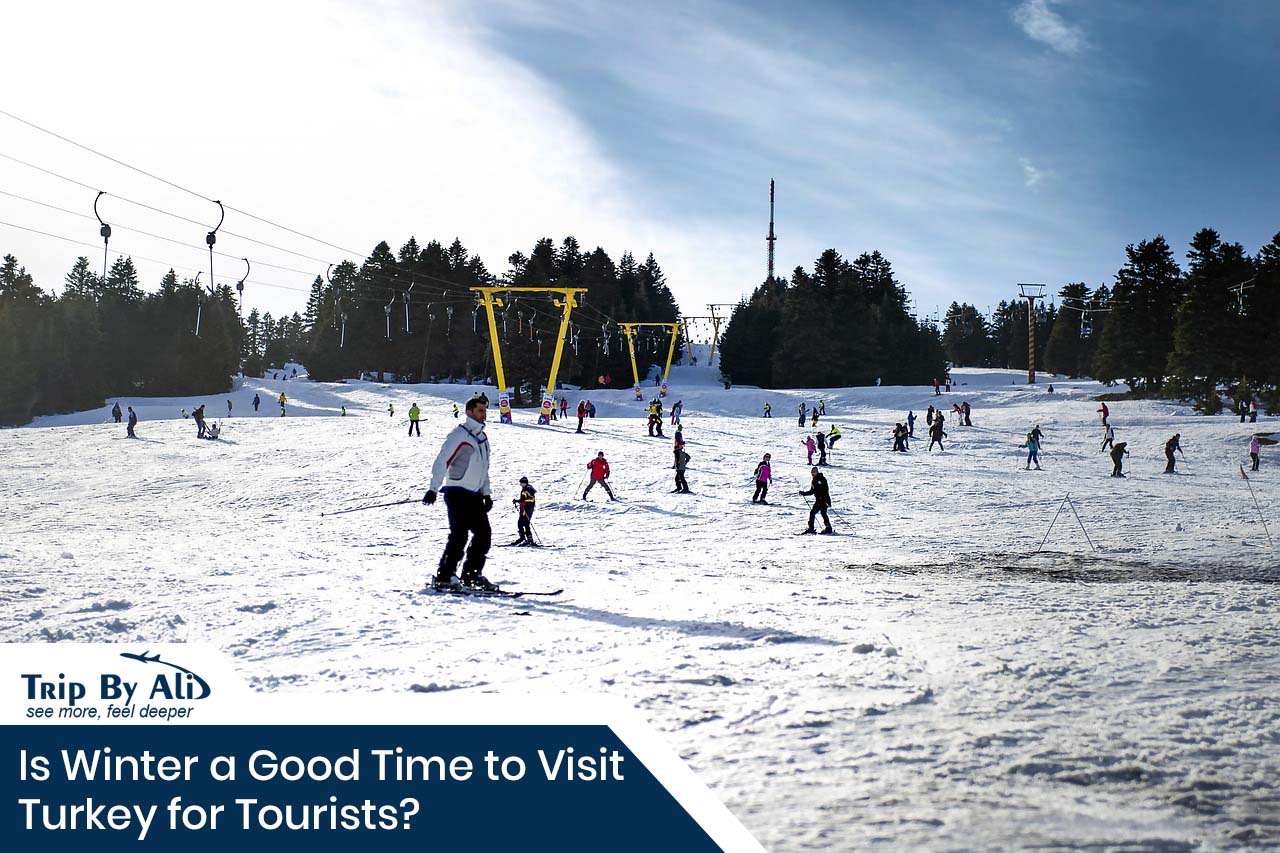
The diverse climate also makes Türkiye a prime destination for natural winter attractions, particularly its high mountain peaks. The Uludağ National Park in Bursa is the country’s premier ski resort, offering pine forests and alpine slopes just a short distance from the city. Other major natural winter sports hubs include Erciyes in Kayseri and Palandöken in Erzurum, which boast high altitudes and excellent snow quality for skiing, snowboarding, and mountaineering. These mountains provide a spectacular snowy landscape that contrasts with the warmer coastal areas.
The country’s islands offer serene escapes with distinct natural beauty. Gökçeada is famous for its diverse landscapes, including salt lakes, waterfalls, and wind-swept hills, making it ideal for organic farming and eco-tourism. Bozcaada is a paradise of vineyards and low hills, with soft sandy beaches and clear waters. For a unique experience, the Princes’ Islands (though close to Istanbul, they are an island natural attraction group) are an archipelago where motorized vehicles are banned, offering a step back in time among pine forests, historical wooden mansions, and peaceful sea views.
Explore the Hidden Natural Gems of Türkiye!
From the "Turkish Maldives" to the misty plateaus of the Black Sea, let me help you discover the most breathtaking spots away from the crowds.
👉 Get My Personalized Nature RouteA Journey of Flavors: Culinary Attractions and Gastronomy
The culinary landscape of Türkiye is a world-class attraction in its own right, offering a sensory journey that is as diverse and complex as the country’s geography. Gastronomy here is not just about sustenance; it is a profound cultural experience that reflects the legacy of the Silk Road and the sophisticated fusion of Central Asian, Middle Eastern, Balkan, and Mediterranean influences. Travelers often plan entire itineraries around visiting specific “culinary capitals” to taste authentic recipes that have remained unchanged for centuries.
From the spice-scented air of ancient bazaars to the modern fine-dining scene, the food attractions of this land provide a deep look into the local soul. Whether it is witnessing the artisanal production of world-famous cheeses in the highlands or participating in a traditional olive harvest, these experiences offer a unique way to connect with the heritage of the region. To understand the etiquette and historical rituals behind these flavors, be sure to read our Complete Guide to the Traditional Food Culture of Türkiye.
Regional Cuisines and Culinary Capitals
The true magic of the local food scene lies in its regional diversity, with several cities being internationally recognized for their culinary excellence. Gaziantep, a UNESCO City of Gastronomy, is the undisputed capital of flavor, famous for its legendary pistachio baklava, rich Beyran soup, and hundreds of varieties of kebabs. Similarly, Hatay offers a unique blend of Arabic and Anatolian influences, celebrated for its world-famous Künefe and incredibly diverse cold mezes.
Further east, Mardin provides a mystical dining experience with its Syriac and Arabic-influenced dishes, such as stuffed ribs (Kaburga Dolması) and spiced wines, served in historic stone mansions. In the west, the Aegean region (centered around İzmir and Muğla) offers a completely different profile, focusing on “Zeytinyağlı” (olive oil-based) dishes, wild herbs, and fresh seafood. These culinary capitals serve as pilgrimage sites for foodies, where every meal is an exploration of the city’s unique history and agricultural wealth.
Traditional Markets and Historic Bazaars
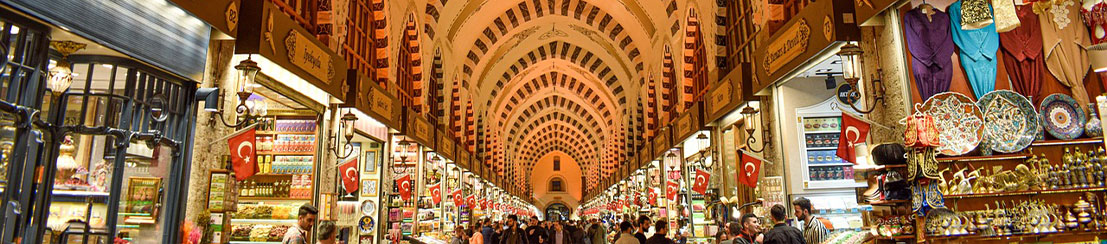
No culinary tour of Türkiye is complete without visiting its historic markets, which serve as the heart of local life and commerce. The Spice Market (Mısır Çarşısı) is a sensory explosion of colors and aromas, where you can find the highest quality saffron, sumac, and hundreds of varieties of dried herbs and teas. Beyond the large cities, the local organic “Pazar” (neighborhood market) in towns like Tire (near İzmir) or Kastamonu are famous for their regional delicacies, artisanal butter, and unique varieties of wild mushrooms and local fruits.
These markets are the best places to discover “Long-tail” culinary treasures such as authentic Turkish delight (Lokum), varieties of honeycomb, and the country’s extensive selection of olives and local cheeses like Erzincan Tulum or Kars Kaşarı. Exploring these markets allows visitors to interact directly with local producers and witness the vibrant street food culture, from roasted chestnuts to freshly squeezed pomegranate juice, which are essential parts of the everyday urban experience.
Food Festivals and Harvest Seasons
The seasonal cycles of Türkiye are celebrated through numerous food festivals that offer travelers a chance to witness the “source” of the flavor. In the Aegean region, the Urla Artichoke Festival and various olive harvest festivals in Ayvalık and Edremit invite guests to participate in picking olives and tasting fresh, cold-pressed oils. For those with a sweet tooth, the Mesir Paste Festival in Manisa is a historic tradition involving a unique medicinal sweet made from 41 different spices and herbs.
In the tea-growing heartland of Rize, visitors can witness the vast green tea plantations and learn about the meticulous process of harvesting and brewing the national drink. Other notable events include the International Orange Blossom Carnival in Adana and the apricot harvests in Malatya, the world’s apricot capital. These festivals are not only about food but are vibrant social attractions featuring music, dancing, and traditional ceremonies, providing a perfect opportunity to dive into the seasonal posts on traditional festivals.
Istanbul’s Vibrant Street Food Culture
The street food culture in Istanbul is a vibrant, beating heart for any food lover, offering a distinct experience in every corner of the city, from the historic Sultanahmet district to the bustling streets of Beyoğlu. You can start your day with a fresh, crispy Simit by the waterfront, or taste the freshness of the sea with Balık Ekmek (grilled fish sandwich) near the Galata Bridge. Furthermore, Kokoreç and Midye Dolma (stuffed mussels with spiced rice) remain the most popular snacks that every traveler must try when exploring the urban landscape.
Traditional Sweet Delights and Pastries
The world of desserts and sweets in Türkiye is a journey from syrup-soaked pastries to light, creamy delights crafted with the highest quality ingredients. At the top of the list is Baklava, featuring thin layers of phyllo dough filled with pistachios or walnuts, prepared best in Istanbul’s traditional sweet shops. Künefe, made with a special cheese and shredded kadayıf dough, offers a warm, gooey, and indulgent experience. Additionally, one should not miss Turkish Delight (Lokum) with its rose and pomegranate flavors, or Sütlaç (traditional rice pudding), which is perfectly browned in the oven for a comforting finish.”
Cultural Soul: Festivals, Customs, and Traditions
The true spirit of Türkiye is best experienced through its vibrant cultural tapestry, where ancient traditions blend seamlessly with modern life. The nation’s hospitality is legendary, often expressed through the simple yet profound act of offering tea (çay) to guests, a practice that reflects a deep-seated belief that every stranger is a welcome friend. This warmth defines the social fabric of the country, ensuring that travelers are treated with genuine kindness and respect regardless of where they visit.
Religious and seasonal traditions also play a pivotal role in the local calendar. The month of Ramadan is a time of spiritual reflection and community, culminating in the festive Eid holidays where families gather for grand feasts. In spring, the Kakava Festival (celebrated primarily in Edirne) marks the arrival of the season with lively music, dance, and colorful bonfires, showcasing the rich cultural heritage of the Roma communities. These events, combined with local harvest festivals, provide a unique window into the history and values that have shaped this land for centuries.
Modern Culture, Arts, and International Events
The cultural landscape of Türkiye is a vibrant fusion where ancient heritage meets contemporary creative energy. Beyond its historical ruins, the country has established itself as a global center for arts, music, and international commerce, hosting a variety of high-profile events that attract elite artists, performers, and business leaders from around the world. These attractions provide a glimpse into the sophisticated modern life of the country, showcasing its ability to honor its roots while pushing the boundaries of modern expression.
Attending these events offers a unique perspective on the local society’s dynamic nature. From world-class opera performances in ancient amphitheaters to cutting-edge contemporary art biennials and massive international trade fairs, the country provides a diverse calendar of activities throughout the year. Whether you are interested in the rhythmic steps of traditional dances or the strategic networking of a global summit, these cultural and professional gatherings are essential highlights of the national experience.
World-Class Arts and Music Festivals
The country’s festival calendar is packed with prestigious events that utilize historic venues to create unforgettable atmospheres. The Aspendos International Opera and Ballet Festival in Antalya is perhaps the most iconic, where world-renowned performers take the stage in a 2,000-year-old Roman theater known for its flawless acoustics. For cinema enthusiasts, the Antalya Golden Orange Film Festival is one of the oldest and most respected film events in Europe, showcasing the best of national and international filmmaking.
In central Anatolia, the International Mevlana Cultural Center in Konya hosts the mesmerizing Seb-i Arus ceremony every December, celebrating the life and spiritual legacy of Rumi with the famous “Sema” (Whirling Dervishes) performances. Music lovers can also enjoy the İzmir European Jazz Festival or the various classical music events held in the historical atmosphere of Bodrum’s castle. These festivals act as a bridge, connecting global artistic movements with the unique spirit of the Anatolian landscape.
International Trade Fairs and Global Exhibitions
As a strategic hub for global trade, Türkiye hosts some of the world’s most significant business exhibitions and trade fairs. The İzmir International Fair, the oldest of its kind in the country, serves as a massive platform for innovation, technology, and international commercial exchange, attracting thousands of companies annually. These events are not just for business professionals; they often include cultural pavilions, concerts, and technological showcases that make them a major attraction for all visitors.
Major cities across the country serve as venues for specialized exhibitions, ranging from the Istanbul Boat Show to massive agricultural expos in Antalya and textile fairs in Bursa. These gatherings demonstrate the country’s economic influence and its role as a bridge between the markets of Europe, Asia, and the Middle East. For many international visitors, these exhibitions provide the perfect opportunity to combine professional networking with cultural exploration.
Contemporary Museums and Cultural Centers
The modern identity of the country is also beautifully preserved in its evolving museum scene. The Antalya Museum and the Museum of Anatolian Civilizations in Ankara are world-renowned for their curation, while newer institutions focus on contemporary art and design. Cultural centers like the CerModern in Ankara provide spaces for rotating exhibitions, workshops, and avant-garde performances that reflect the creative pulse of the younger generation.
Exploring these modern cultural hubs allows visitors to see how local artists interpret their complex history through a modern lens. From the sleek architecture of the Odunpazarı Modern Museum (OMM) in Eskişehir—a masterpiece of wooden design—to the vibrant street art scenes in neighborhood festivals, the country is constantly redefining its artistic boundaries. These sites are essential for anyone wanting to understand the forward-thinking and innovative side of the nation’s social fabric.
Adventure, Sports, and Outdoor Activities
For those who seek adrenaline and physical engagement, Türkiye is a world-class playground that offers an incredible variety of outdoor activities across its diverse terrain. From the high-altitude peaks of the Taurus and Kaçkar mountains to the crystal-clear depths of the Mediterranean Sea, the country provides the perfect backdrop for adventure enthusiasts. Whether it is soaring through the sky in a hot air balloon, trekking through ancient trails, or white-water rafting through dramatic canyons, the natural geography of the land is designed for exploration and excitement.
The sports culture in the country is deeply connected to its landscapes, offering unique experiences in every season. You can spend your morning skiing down alpine slopes and your afternoon diving into the warm waters of the southern coast. This versatility makes the country a premier destination for international sports events, marathon runners, and extreme sports professional. These outdoor attractions allow visitors to see the wilder, more rugged side of the country while challenging their limits in safe and professional environments.

Winter Sports: Skiing on Alpine Peaks
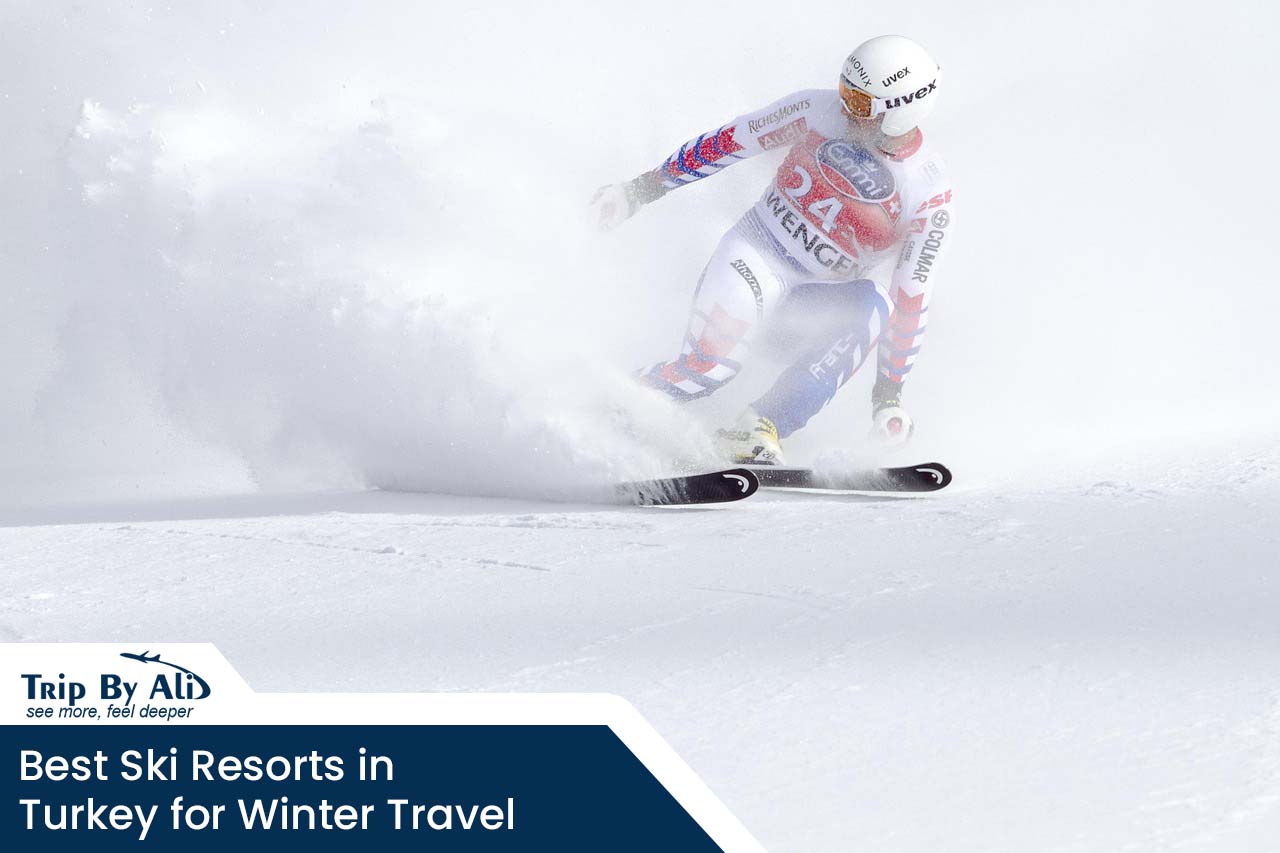
While often celebrated for its beaches, Türkiye is a major destination for winter sports, boasting several high-altitude peaks with excellent snow quality and modern infrastructure. Uludağ in Bursa is the oldest and most famous ski resort, offering a classic alpine atmosphere with pine forests and vibrant après-ski life. For those seeking more challenging terrain and higher altitudes, Palandöken in Erzurum offers some of the longest and steepest ski runs in the world, often hosting international winter games.
Further central, Mount Erciyes in Kayseri provides a spectacular volcanic backdrop for skiing and snowboarding, with its state-of-the-art lift systems and wide slopes. Other notable winter hubs include Kartalkaya in Bolu, nestled within beautiful forests, and Sarıkamış in Kars, famous for its unique “crystal snow” that is rarely found outside the Alps. These resorts turn the country into a winter wonderland from December through March, offering activities ranging from professional skiing to serene snowshoeing tours.
Aerial Adventures and Hot Air Balloons
The unique topography of the country has made it one of the world’s most famous locations for aerial sports. Cappadocia is globally synonymous with hot air ballooning; every morning, hundreds of colorful balloons rise over the “fairy chimneys,” offering a silent and breathtaking view of the volcanic valleys below. This experience is often considered a “bucket list” item for global travelers and provides an unparalleled perspective on the geological wonders of Central Anatolia.
For those seeking more speed, Ölüdeniz in Fethiye is one of the premier paragliding spots on the planet. Launching from the 1,900-meter Babadağ Mountain, pilots and passengers glide over the stunning Blue Lagoon, enjoying panoramic views of the turquoise coastline before landing directly on the beach. Similarly, Pamukkale offers paragliding and gyro-copter tours that allow you to see the brilliant white travertines and the ancient ruins of Hierapolis from a bird’s-eye view, adding a thrilling dimension to these historical sites.
Trekking, Rafting, and Marine Sports
The rugged interior and extensive coastline offer endless opportunities for ground and water-based adventures. The Lycian Way is a world-famous 540-kilometer trekking route that stretches along the southern coast, taking hikers through ancient ruins, secluded bays, and traditional mountain villages. For water enthusiasts, the Çoruh River in the northeast is ranked as one of the best rafting rivers in the world, offering high-velocity rapids through spectacular canyons, while the Köprüçay River in Antalya provides a more family-friendly rafting experience through the scenic Köprülü Canyon.
The “Turquoise Coast” is also a haven for marine sports, particularly scuba diving and windsurfing. Kaş is the diving capital of the country, where clear visibility reveals underwater caves, ancient shipwrecks, and vibrant marine life. On the Aegean side, Alaçatı near İzmir is an international hub for windsurfing and kitesurfing, thanks to its consistent winds and shallow waters. These activities allow travelers to engage directly with the pristine environment and experience the dynamic energy of the country’s natural landscapes.
Ready for an Adrenaline Rush in Türkiye?
Whether you want to ski the peaks of Erciyes or trek the Lycian Way, I can help you find the best professional guides and equipment.
👉 Plan My Adventure with AliWellness and Medical Excellence: Global Health Hub
In recent years, Türkiye has risen to the forefront of global medical tourism, becoming one of the most preferred destinations for patients seeking high-quality healthcare combined with world-class hospitality. This attraction is built on a foundation of cutting-edge technology, internationally accredited hospitals, and highly skilled specialists who often have global reputations. The country offers a unique “health and holiday” concept, where visitors can undergo advanced medical procedures and then recover in the serene environment of luxury resorts or historical thermal springs.
The appeal of the local healthcare sector lies in its remarkable balance between affordability and excellence. Patients from Europe, the Middle East, and North America choose this destination not only for the significant cost advantages but also for the lack of waiting times and the personalized care provided by multilingual medical staff. From complex surgical interventions to holistic wellness retreats, the health attractions of the country cater to a wide spectrum of physical and mental well-being needs.
Healing Waters: Thermal Springs and Spas
Long before modern medicine, Anatolia was famous for its “healing waters,” a tradition that continues today with hundreds of natural thermal springs scattered across the country. Afyonkarahisar is widely regarded as the thermal capital, offering numerous five-star facilities where the mineral-rich waters are used to treat respiratory, skin, and muscular conditions. Similarly, the historic thermal baths of Bursa and the modern spa complexes in Yalova offer a blend of Ottoman bath culture and contemporary hydrotherapy.
The unique geological structure of the land ensures that these springs are rich in various minerals, each offering different health benefits. Pamukkale remains a premier destination for those seeking the therapeutic effects of calcium-rich waters, while the “mud baths” of Dalyan attract thousands looking for natural skin rejuvenation. These sites are perfect for travelers who want to combine nature with a deep focus on physical recovery and stress relief, making them essential stops on any wellness-oriented itinerary.
Modern Medical Excellence and Aesthetic Tourism
The modern side of health tourism is centered in state-of-the-art facilities located in major urban hubs. The country has become a world leader in Aesthetic and Reconstructive Surgery, particularly famous for high-success hair transplant procedures that draw thousands of visitors every month. These clinics utilize the latest FUE and DHI techniques, providing results that are both natural and permanent, often at a fraction of the cost found in Western countries.
Beyond aesthetics, the country excels in specialized fields such as Advanced Dental Care (including implants and “Hollywood Smile” designs), Ophthalmology (laser eye surgeries), and Cardiology. Major hospital groups in cities like Antalya, İzmir, and Ankara are JCI-accredited, ensuring they meet the highest international standards for safety and quality. These medical attractions are often packaged with luxury accommodation and private transfers, providing a seamless and stress-free experience for international patients.
Investment, Real Estate, and Commercial Growth
Beyond its role as a premier travel destination, Türkiye has established itself as a powerful magnet for global investors and those seeking a strategic second home. Its unique position as a bridge between the European, Asian, and African markets, combined with a dynamic, young population and a rapidly modernizing infrastructure, makes it a land of significant economic opportunity. The “investment attraction” of the country is not just about financial returns; it is about securing a lifestyle in one of the world’s most beautiful and strategically located nations.
The government’s investor-friendly policies, including various residency and citizenship programs linked to real estate, have catalyzed a boom in the commercial and residential sectors. For many, the attraction lies in the country’s high-growth potential and the relatively lower cost of luxury living compared to other Mediterranean or European hubs. Whether you are looking for a high-yield commercial property or a serene holiday villa, the country offers a diverse portfolio of opportunities that align with global economic trends.
Strategic Real Estate Opportunities
The real estate market in the country is highly diverse, offering everything from ultra-modern city apartments to historic stone houses and luxury coastal villas. On the Mediterranean and Aegean coasts, particularly in cities like Antalya, Bodrum, and Fethiye, there is a massive demand for holiday homes that offer both high rental yields and a premium lifestyle. These areas are favorites for international buyers who want to enjoy the “Turquoise Coast” while benefiting from the steady appreciation of property values.
Inland and in growing urban centers like Istanbul, İzmir, Ankara, and Bursa, the focus shifts toward modern residential complexes and commercial real estate. These cities are undergoing significant urban transformation, presenting opportunities for early-stage investments in districts that are becoming new financial and social hubs. The high quality of construction, often featuring smart-home technology and extensive social facilities (like gyms, pools, and security), ensures that the properties meet the highest international standards, making them attractive for both local and foreign investors.
Economic Hubs and Business Innovation Zones
The commercial attractions of the country extend into its thriving industrial and technological zones. Major cities serve as the headquarters for international corporations and burgeoning tech startups, supported by a network of Free Trade Zones and Technoparks that offer tax incentives and specialized infrastructure for business growth. Cities like Kocaeli and Bursa are the powerhouses of the automotive and textile industries, while the Mediterranean coast is increasingly becoming a hub for sustainable energy and agricultural innovation.
This economic vitality creates a secondary layer of attractions for business travelers and entrepreneurs. From attending major international summits to exploring partnerships in the growing fintech and e-commerce sectors, the business landscape is as energetic as the cultural one. For those looking to integrate into the local economy, the country offers a welcoming environment for innovation, making it more than just a place to visit—it is a place to grow and build a future.
Explore More - Guiding Cards
To help you navigate the vast wonders of the country, we have curated these specialized guides to focus on your specific interests:
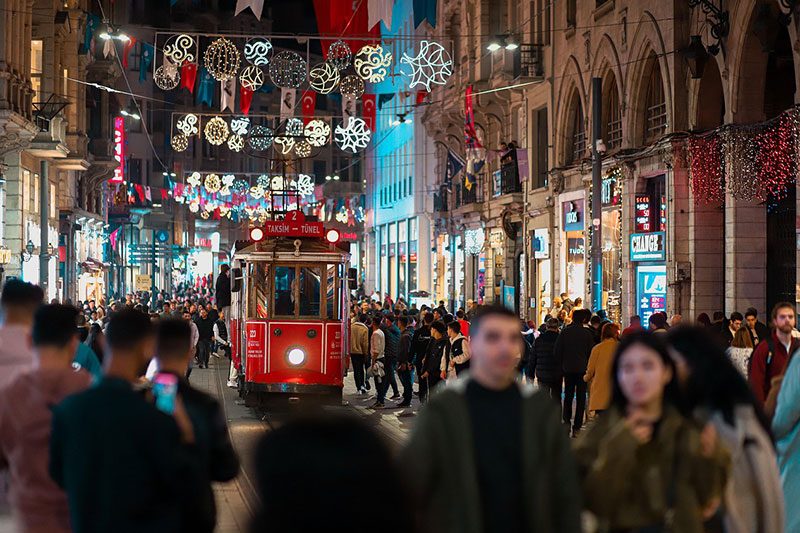
The Magic of Istanbul
Dive deep into the historical landmarks, modern shopping districts, and hidden gems of the world’s most fascinating metropolis.
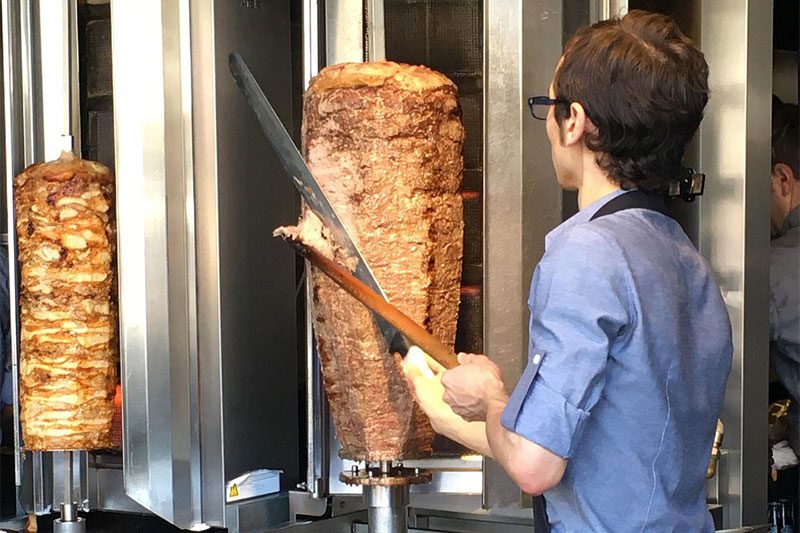
A Taste of Anatolia
Explore the rich culinary heritage, table etiquette, and must-try dishes that define the local dining experience.
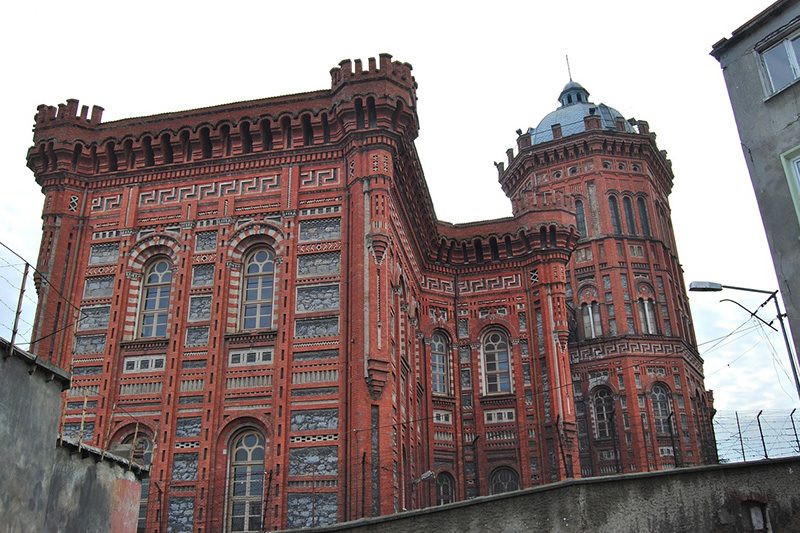
Chronicles of Empires
A journey through the classical ruins, ancient cities, and archaeological marvels that shaped the cradle of civilization.

Health and Healing
Comprehensive information on world-class medical facilities, aesthetic procedures, and historic thermal wellness retreats.

Invest in the Future
Insights into the growing property market, strategic commercial zones, and residency opportunities for global investors.
Plan Your Journey
Need personalized advice or a tailored itinerary? Reach out for expert guidance to make the most of your Istanbul adventure.
FAQ
1. What is the best time of year to visit the attractions in Türkiye?
The ideal time depends on the type of attraction you wish to explore. For cultural and historical sightseeing in the Aegean and Mediterranean regions, the shoulder seasons of spring (April to June) and autumn (September to November) offer pleasant temperatures and fewer crowds. If you are visiting for winter sports at resorts like Uludağ or Erciyes, December to March is the peak season. For a beach-focused holiday, the summer months (July and August) are perfect, though temperatures can be quite high.
2. Are the major historical sites accessible to international tourists?
Yes, the vast majority of major historical sites and museums in Türkiye are highly accessible and equipped with modern facilities. Most locations offer audio guides in multiple languages, including English, and have clear signage. Professional licensed guides are also available at the entrance of major sites like Ephesus or Göbeklitepe to provide deep historical context. We recommend purchasing a “Museum Pass” to save on entrance fees and skip the queues at the most popular landmarks.
3. Is it safe to drink the tap water at tourist attractions?
While tap water in the country is treated and generally safe for hygiene and cleaning, it is highly recommended that visitors drink bottled or filtered water. Bottled water is very affordable and readily available at every attraction, café, and street corner. In some mountainous regions or “Yaylas” of the Black Sea, you may find natural spring water fountains that are safe and refreshing to drink, but when in urban centers, sticking to bottled water is the standard practice for travelers.
4. How can I travel between different attraction hubs like Cappadocia and Antalya?
The country has an excellent and affordable domestic flight network that connects major hubs in under 90 minutes. Alternatively, for those who enjoy the landscape, the intercity bus system is world-class, featuring modern coaches with comfortable seating and onboard services. If you prefer a more flexible adventure, renting a car is a popular option, as the highways are well-maintained and scenic, especially along the coastline.
5. Do I need a special visa to visit Türkiye for medical tourism?
Many visitors can enter the country with a standard e-visa or even visa-free, depending on their nationality, for short-term medical treatments. However, the government also offers a specific “Medical Visa” for those requiring longer procedures and recovery times. We recommend consulting with your chosen accredited clinic beforehand, as they often provide assistance with the necessary documentation and can offer “Health Tourism” packages that include transfers and accommodation.
Discover More Experiences
Planning Your Ultimate Adventure to Türkiye?
Stop browsing and start experiencing. Whether it’s an ancient ruins tour, a medical consultation, or a custom itinerary, I’m here to make it happen.
Contact Ali for a Personalized ConsultationWritten by Ali Rahnama — Local Eco Tour Guide and Travel Storyteller.
Explore my Google Maps contributions •
Discover more at Trip by Ali.